The short version
- A new environmental delivery plan allows developers to pay into a central fund rather than directly mitigating local habitat damage.
- Critics, including Labour MP Chris Hinchliff, argue the scheme leaves most nitrogen and phosphorus pollution unaddressed in the Norfolk Broads.
- The government defends the approach as necessary for meeting housing targets while funding larger-scale conservation efforts elsewhere.
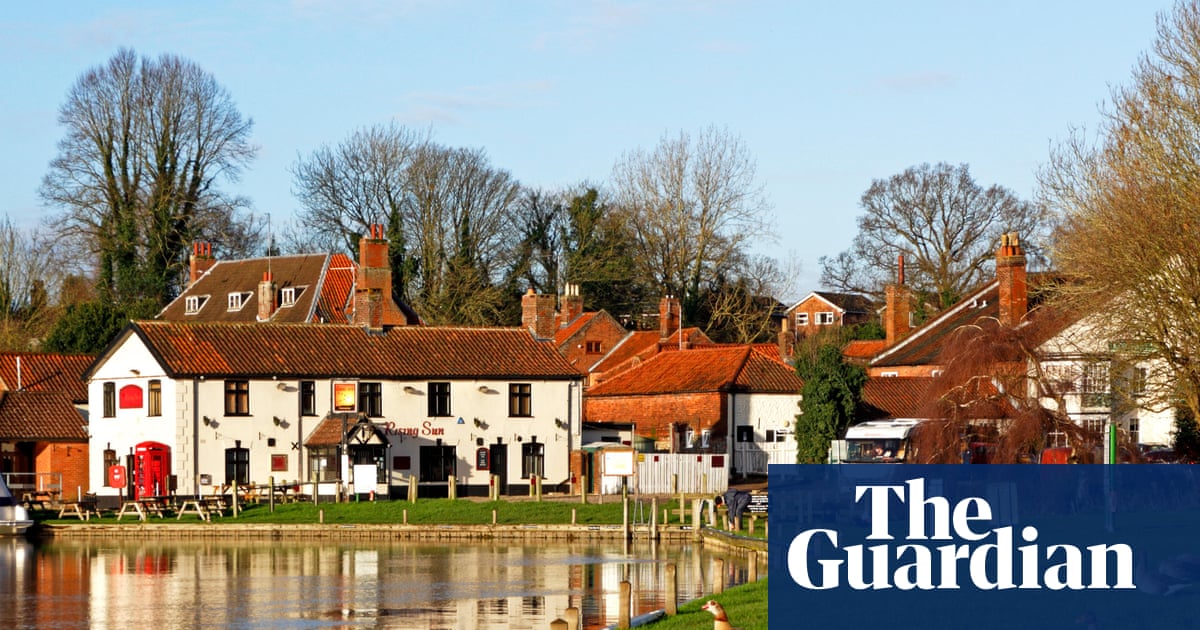
A contentious proposal to construct nearly 16,000 new residences in the Norfolk Broads has ignited a dispute between government planners and environmental advocates. The scheme serves as the initial test case for a broader national strategy that permits development in protected zones provided developers contribute financially to a central nature restoration fund. This mechanism, part of Labour’s flagship planning reforms, represents a significant shift from previous regulations that required direct mitigation of environmental harm at the site of construction.
Under the current plan, developers are required to pay £2,675 for each new home, generating an estimated £42 million for conservation efforts. In exchange, they receive permission to build in one of the United Kingdom’s most heavily protected biodiversity hotspots. The Norfolk Broads host more than a quarter of the nation’s rarest plant and animal species, making the area a critical ecological asset. However, Natural England, the government’s nature adviser that designed the plan, acknowledges that the development will cause physical, chemical, hydrological, and biological damage to local habitats.
The core of the controversy lies in how the environmental harm is addressed. Critics have labeled the system “cash for trash,” arguing it effectively rolls back decades of environmental law by allowing damage to proceed as long as money is paid into a general fund. Labour MP Chris Hinchliff has urged the Office for Environmental Protection to intervene, contending that the plan breaches the requirements of the Planning and Infrastructure Act. He argues that the proposal is not grounded in the best available science and fails to adequately address the specific pollution issues threatening the Broads.
According to Natural England’s own assessments, the conservation measures funded by the developer payments would leave approximately 83 percent of additional nitrogen and up to 61 percent of extra phosphorus entering the water systems annually. The Broads are already in a state of ecological decline and require nutrient pollution reductions of between 91 and 97 percent to recover. Hinchliff points out that effective mitigation strategies, such as upgrading septic tanks or installing small-scale underground treatment plants for homes not connected to mains sewers, were excluded from the plan.
Instead of direct pollution control measures, the environmental delivery plan relies on indirect interventions. These include fen cutting, deer population control, catch-dyke works, the removal of one weir, and the restoration of one kilometer of river. Hinchliff argues that these actions do not address the root cause of the harm, which is the influx of nutrients from new housing developments. He warns that unless regulatory bodies act now, these failures will become entrenched in the first plan of its kind and serve as a blueprint for future developments across the country.
Government ministers defend the environmental delivery plans as essential for unblocking economic growth. They are pursuing a target to build 1.5 million new homes by the end of the current parliament and view these reforms as a win-win scenario that balances housing needs with nature conservation. Officials argue that the central fund allows for coordinated, large-scale conservation measures that are more effective than piecemeal offsets implemented at individual development sites.
Environmental groups and broadcasters have strongly opposed the scheme. Chris Packham, supporting a campaign by the charity WildFish, described the Norfolk Broads as among Europe’s most precious wetlands, home to species such as swallowtails, fen orchids, bitterns, lamprey, and bullhead. He criticized the government for devising a scheme that adds more pollution to an area already drowning in it. The Wildlife Trusts echoed these concerns, noting that even minor increases in phosphorus levels could tip the health of rivers like the Yare, Bure, and Wensum over the edge.
The debate occurs against the backdrop of a broader nature crisis in the UK. Wild bird populations have fallen to their lowest recorded levels, with nearly half of all species in decline. Hedgehog numbers have plummeted by 66 percent, and rivers are suffering from a toxic mix of sewage, agricultural runoff, and chemicals. The consultation period for the Norfolk Broads environmental delivery plan ends on October 31, leaving little time for regulators to decide whether to approve or block the proposal.
Bradley Tooze, director of the nature restoration fund at Natural England, stated that the plan aims to deliver better outcomes for protecting precious habitats while enabling sustainable development. However, opponents remain skeptical that financial contributions alone can compensate for the permanent degradation of local ecosystems. The outcome of this consultation will likely set a precedent for how environmental protections are balanced against housing demands in other protected areas across the United Kingdom.
As the deadline approaches, pressure is mounting on the Office for Environmental Protection to review the plan’s compliance with legal standards. If approved, the Norfolk Broads scheme could pave the way for similar developments in other sensitive ecological zones. The conflict highlights a fundamental tension between economic growth objectives and the preservation of natural habitats, a challenge that extends beyond this single location to national policy frameworks.
Sources behind this briefing
Go to the original reporting
- The Guardian World↗Stop ‘cash for trash’ housebuilding in Norfolk Broads, says Labour MP