The short version
- Ferry services continue operating between Bandar Abbas and Hormuz Island despite reduced passenger numbers and increased danger from nearby explosions.
- Local livelihoods in fishing, tourism, and waste management have suffered significantly due to port attacks, vessel damage, and restricted maritime access.
- Hormuz Island residents maintain a semblance of normalcy in unrestricted areas, though government closures and infrastructure strikes have altered the local environment.
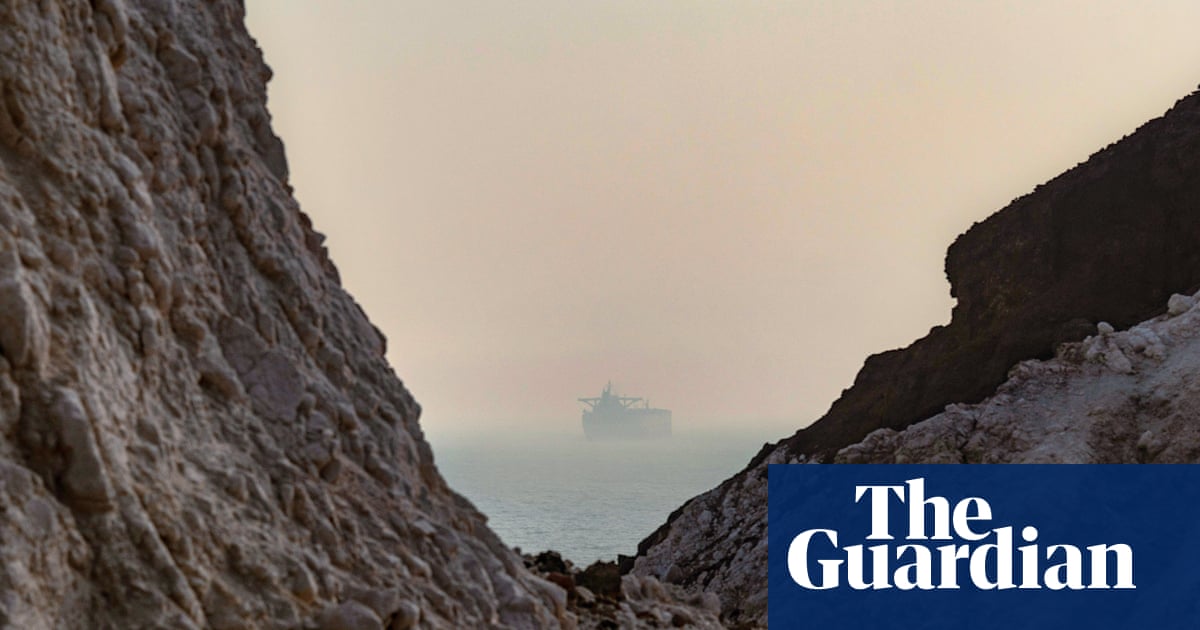
The Strait of Hormuz remains a critical artery for global energy trade, yet for those living along its Iranian coast, it serves primarily as a fragile lifeline amidst ongoing conflict. Despite a reported ceasefire, the reality on the ground in southern Iran suggests that hostilities have not fully ceased. Residents and workers describe an environment where the sounds of explosions are commonplace, creating a backdrop of uncertainty that permeates daily routines. The waterway, historically significant for its strategic value, has become a zone of tension where civilian life intersects with military activity.
Ferry operations continue to link the mainland port of Bandar Abbas with Hormuz Island, though these journeys have changed markedly since the escalation of tensions in February. Captain Farouq, who has navigated these waters for nearly two decades, reports that while crossings have not stopped, passenger volumes have dropped significantly. His vessel, currently operating at roughly half capacity, carries about one hundred passengers on a thirty-minute trip that costs approximately one pound sterling. The atmosphere aboard is tense but resigned; passengers drink tea, smoke, and attempt to ignore the distant booms that could be either air defense systems or incoming attacks.
The physical toll of the conflict is evident in the infrastructure and vessels that depend on the strait. Iranian government sources indicate that seven hundred sixty fishing and commercial boats have been damaged in attacks on Bandar Abbas. Captain Farouq noted that his own ferry sustained shrapnel damage while docked, requiring swift repairs to remain operational. These incidents underscore the vulnerability of local maritime assets, which are caught between military targets and civilian necessity. The restriction of movement has forced many residents to flee the city for smaller, more remote villages in search of safety during the early months of the war.
For those who remain, economic hardship is a growing concern. Fishers like Anvar Sadat report that their ability to venture out to sea has been severely curtailed. The restriction on boat movement has slowed business at local markets, making it increasingly difficult for workers to sustain their livelihoods. Sadat noted that several colleagues have been killed in attacks, adding a layer of personal loss to the economic strain. The beaches near the port, once bustling with activity, are now considered dangerous zones, forcing workers such as garbage collector Abdul Salam to halt their duties entirely to avoid risk.
The conflict has also disrupted the broader regional economy, with Iranian forces repeatedly targeting vessels attempting to cross the strait. In early October alone, at least twelve attacks were reported against tankers carrying oil and liquefied gases. These incidents have contributed to volatility in global energy markets, pushing oil prices above one hundred dollars per barrel. This economic pressure has drawn international attention, with reports suggesting that US President Donald Trump is considering further strikes ahead of midterm elections. However, for locals, the geopolitical ramifications are secondary to the immediate challenges of survival.
Life on Hormuz Island offers a contrast to the turmoil on the mainland, though it is not entirely insulated from the conflict. Known for its relaxed atmosphere and creative community, the island has long been viewed as a sanctuary by Iranians seeking freedom from urban constraints. Residents like Yashar, a surfer, describe a place defined by love and magic, where life moves at a slower pace. Women swim in bathing suits, artists find space to create, and the community maintains a sense of normalcy despite the surrounding war.
However, the island is not immune to government restrictions or military activity. Authorities have closed off parts of the northern region, limiting access for residents and visitors alike. Yashar noted that as long as people avoid these restricted zones, they are generally left alone by the army. Nevertheless, infrastructure attacks have occurred, reminding residents that the conflict can reach even this relatively secluded area. The roughly eight thousand inhabitants are working to support one another, striving to preserve the unique character of their community amidst external pressures.
The tourism sector, once a pillar of the island’s economy, has been hit hard by the ongoing instability. Tour guides like Omran report a significant decline in visitors, reflecting the broader impact of the war on local industries. The combination of safety concerns and restricted access has deterred many from traveling to the region. As the conflict continues, the resilience of these coastal communities will be tested further. Their ability to adapt to changing conditions while maintaining their livelihoods remains uncertain, highlighting the human cost of geopolitical strife.
Looking ahead, the situation in the Strait of Hormuz remains fluid. While global markets watch for signs of escalation or de-escalation, those living on the coast face an ongoing struggle to balance safety with necessity. The ferry captains, fishers, and island residents continue their daily routines, navigating both literal and metaphorical turbulent waters. Their experiences offer a glimpse into the complex reality of life during wartime, where the line between conflict and normalcy is often blurred.
Sources behind this briefing
Go to the original reporting
- The Guardian World↗Troubled waters: life during wartime for Iranians on the strait of Hormuz