The short version
- NextDC shares fell sharply after the company announced a delay in expanding its Melbourne datacenter due to unresolved power supply issues.
- The operator reduced its net revenue guidance by over $100 million, citing suspended construction of high-voltage poles essential for the project.
- Local residents and safety concerns have halted grid upgrades, while political transitions in Victoria further complicate regulatory approvals.
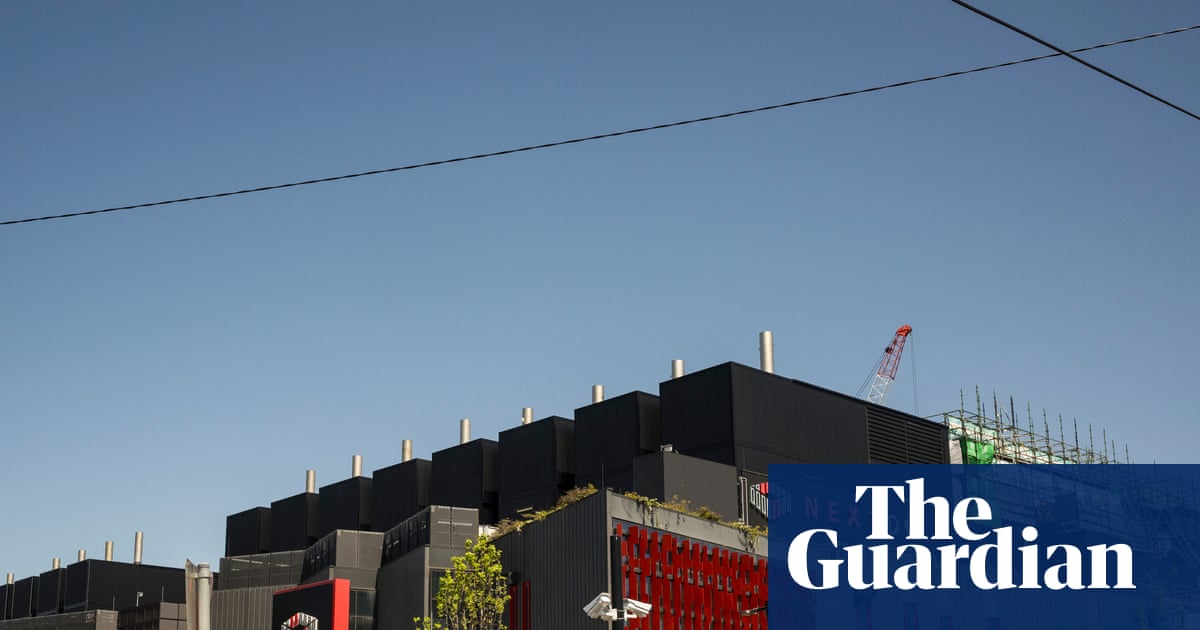
NextDC, the largest datacenter operator in Australia, has experienced a significant decline in market valuation following the announcement of substantial delays to its expansion plans in Melbourne. The company informed investors that the growth of its M3 site in West Footscray would be pushed back to the 2027 or 2028 financial year, a shift driven by obstacles in securing necessary electrical infrastructure. This setback has triggered a sharp drop in share price, falling from above nine dollars per share to approximately $5.69 after trading resumed on Wednesday.
The core of the delay involves Jemena, the electricity provider responsible for upgrading power lines to support the increased energy demands of the expanded facility. Construction of new 22-meter power poles has been suspended due to a combination of safety concerns, lack of site access caused by community opposition, and the refusal of local council authorities to approve the structures. These poles are critical for delivering the additional electricity required to operate the enlarged datacenter, which is intended to increase capacity from 60 megawatts to 225 megawatts.
In response to the infrastructure impasse, NextDC has revised its financial outlook downward. The company reduced its net revenue guidance to a range between $475 million and $500 million, a notable decrease from the previous forecast of $615 million to $640 million. This adjustment reflects the deferred billing and delivery of contracted capacity that was expected to come online with the completed expansion. The financial impact underscores the vulnerability of large-scale tech infrastructure projects to local regulatory and community dynamics.
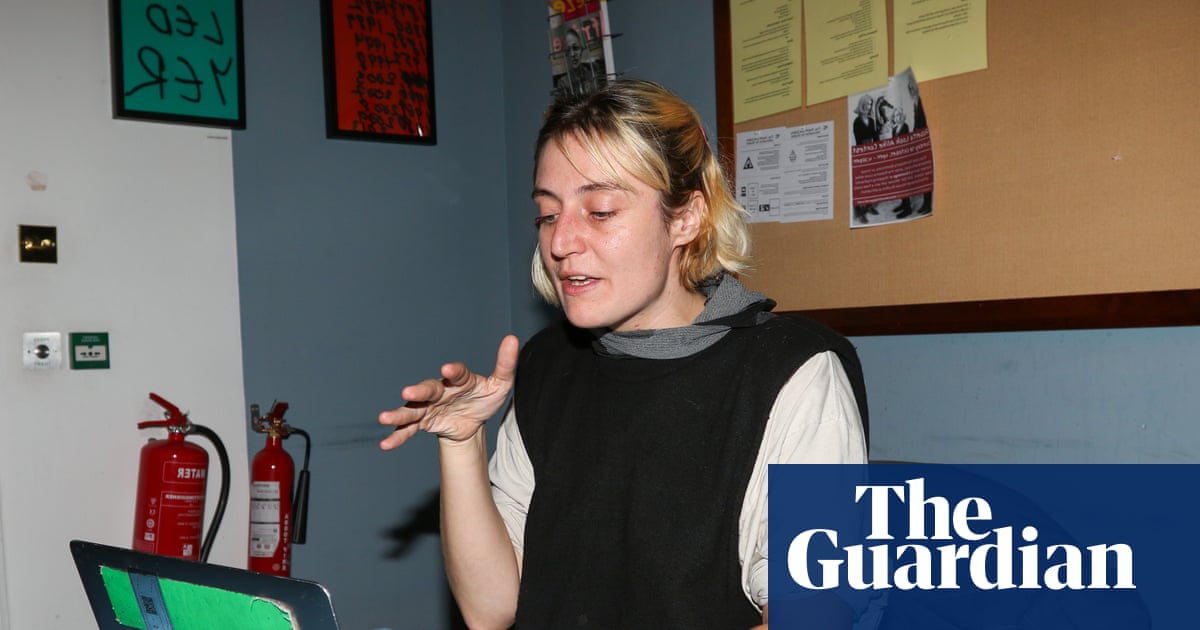
Community resistance in West Footscray has been a persistent factor in the project’s timeline. Residents have expressed strong objections to the scale of the development, citing concerns about construction noise, the visual impact of towering power poles, and the potential use of diesel generators during power outages. Local advocates argue that their goal is not to diminish shareholder value but to ensure a fair outcome for the community and the implementation of proper safety frameworks. They have indicated that opposition will continue until these concerns are adequately addressed.
NextDC and Jemena are currently exploring alternative solutions to meet the site’s power requirements. Potential options include relocating power poles to industrial zones or utilizing underground power connections, which may offer less visual intrusion but could involve different logistical and cost challenges. While construction of the new data halls is set to continue, the inability to secure grid supply means the facility cannot reach its full operational capacity as originally planned.
Regulatory delays have also played a role in the stalled progress. NextDC chief executive Craig Scroggie noted that the Victorian government’s planning decision on permits for later stages of construction has taken longer than anticipated. The application has been under review since February 2026, and Scroggie attributed some of the slowdown to political transitions, including a change in premier and subsequent cabinet reshuffles. With the state election approaching in November, the government is entering caretaker mode, which typically limits major decision-making until after the vote.
Scroggie expressed disappointment regarding the technical challenges but maintained confidence that the expansion would eventually receive approval. He emphasized that the company complies with all development requirements under current planning rules and acknowledged the need for further community consultation regarding ongoing operations and construction issues. The earliest expected approval date is now February 2027, contingent on post-election political stability and resolution of local objections.
The situation highlights the growing tension between rapid technological infrastructure deployment and local community interests in Australia. As datacenter demand surges, operators face increasing scrutiny over environmental impact, noise pollution, and visual aesthetics. The West Footscray case illustrates how local opposition can significantly alter project timelines and financial projections, forcing companies to adapt their strategies and engage more deeply with stakeholders.
Looking ahead, the outcome of the upcoming state election may influence the final decision on the expansion. Local residents have vowed to continue advocating for their concerns regardless of which party forms government, warning that signing off on the project without addressing safety and community issues could be politically toxic. The resolution of this dispute will likely set a precedent for future datacenter developments in residential or mixed-use areas across Victoria.
For investors, the delay represents a material risk to short-term returns but also signals the complexities involved in scaling critical infrastructure. NextDC’s ability to navigate these challenges will depend on its capacity to balance technical solutions with community relations and regulatory compliance. The company’s next steps will likely involve intensified dialogue with local authorities and residents, as well as continued exploration of alternative power supply methods to mitigate further delays.
Sources behind this briefing
Go to the original reporting
- The Guardian World↗Australia’s largest datacentre operator NextDCs shares dive as Melbourne expansion delayed