The short version
- Organizers are hosting in-person editing sessions to improve the depth and accuracy of Wikipedia entries related to the global arms trade.
- Participants must balance their political motivations with strict adherence to Wikipedia’s policies against original research and biased content.
- The initiative aims to address systemic gaps in coverage while navigating the tension between activism and neutral information dissemination.
A dedicated group of volunteers is undertaking a systematic effort to enhance the quality and detail of Wikipedia articles concerning the global arms industry. Operating through organized events known as wikithons, these contributors are addressing what they identify as significant informational voids in one of the internet’s most widely consulted reference sources. The initiative seeks to populate digital encyclopedic entries with verified data on defense contractors, military technology projects, and related geopolitical entities, moving beyond superficial summaries to provide comprehensive public records.
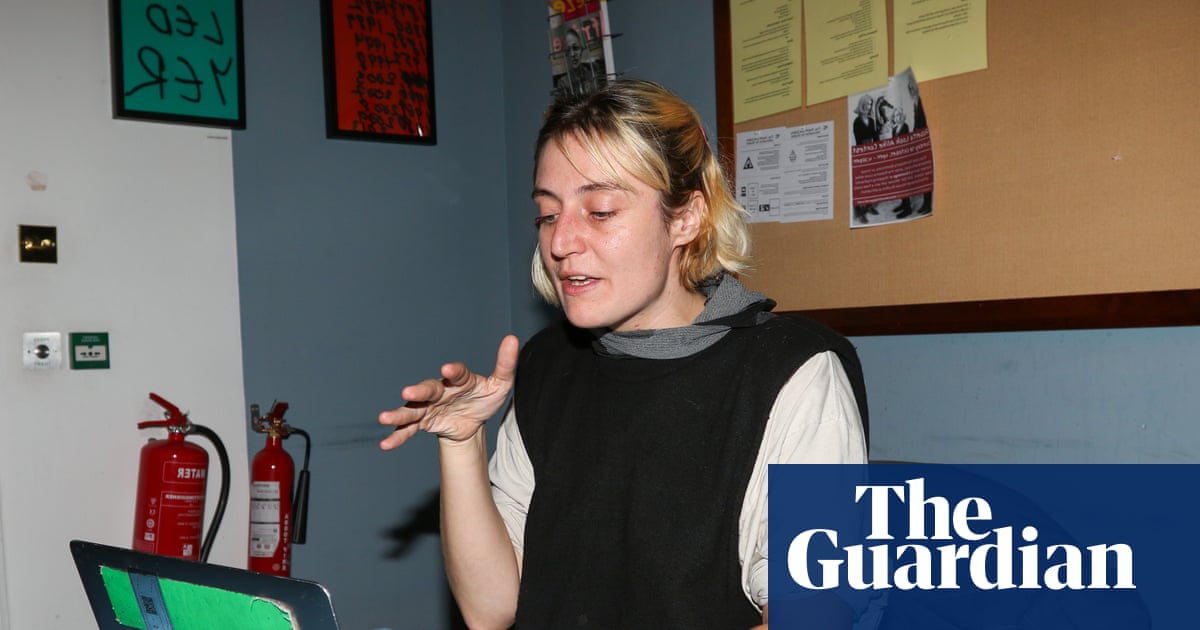
Recent gatherings have brought together diverse participants, ranging from seasoned editors in their seventies to students encountering the platform for the first time. These sessions, held in locations such as central London, involve collaborative work on specific topics including Palantir Technologies, Project Maven, and Nitro-Chem. The events are structured to train attendees in the technical aspects of editing while emphasizing the importance of sourcing and verification. By concentrating efforts on a neglected subject area, the group aims to counteract the tendency for certain industries to remain under-documented in public knowledge bases.
The drive to improve coverage stems from broader criticisms regarding Wikipedia’s demographic and geographical biases. Historically, the platform has faced scrutiny for its disproportionate focus on Western subjects and its limited representation of women and global south perspectives. Organizers argue that expanding the pool of contributors helps rebalance these disparities. The inclusion of activists, journalists, and community members in these editing sessions reflects an attempt to diversify the voices shaping digital knowledge, challenging the stereotype that Wikipedia editors fit a narrow demographic profile.
However, the intersection of personal political interest and editorial neutrality presents significant ethical challenges. Co-founders of the initiative acknowledge the difficulty of maintaining objectivity when contributors are motivated by concerns about military industrial complexes or government narratives. The platform’s guidelines strictly prohibit original research and demand that conclusions not be drawn within articles. Instead, editors must synthesize publicly available information from reliable external sources. This requirement forces participants to separate their advocacy goals from the factual presentation required by Wikipedia’s standards.
Navigating this boundary requires careful adherence to community rules regarding conflicts of interest. While Wikipedia encourages users to edit topics they care about, it also mandates transparency and impartiality. The organizers emphasize that their events are not campaigning efforts but rather educational initiatives focused on improving information quality. Participants are trained to recognize the subtle lines between activism and neutral documentation, ensuring that edits withstand scrutiny from other community members who may challenge perceived bias.
The immediate impact of these wikithons is visible in the rapid publication of updated content. Unlike traditional publishing, changes made on Wikipedia appear instantly, offering participants a sense of agency in shaping public understanding of complex geopolitical issues. This immediacy can be empowering for individuals who feel powerless against dominant narratives controlled by large technology firms or state actors. The ability to contribute directly to a global resource provides a tangible way to engage with information governance.
Despite the enthusiasm surrounding these efforts, uncertainty remains regarding how the wider Wikipedia community will perceive such organized editing campaigns. While wikithons are an established format for improving coverage of various topics, the sensitive nature of arms industry content raises concerns about potential backlash. Some organizers choose not to publicize specific edits to avoid having their work reverted by editors acting in bad faith or those suspicious of coordinated advocacy. This caution highlights the fragile balance between expanding knowledge and maintaining trust within the volunteer ecosystem.
The long-term significance of this movement lies in its potential to redefine how specialized, politically charged topics are documented online. By bringing together individuals with varied backgrounds and expertise, these initiatives test the resilience of Wikipedia’s collaborative model. If successful, they could serve as a template for addressing other underrepresented areas while reinforcing the platform’s commitment to accuracy and neutrality. The outcome will depend on whether the community accepts these contributions as legitimate enhancements to public knowledge or views them as infringements on editorial independence.
As the digital landscape continues to evolve, the role of volunteer editors in curating information becomes increasingly critical. The arms industry wikithons illustrate both the opportunities and pitfalls of crowdsourced journalism. They demonstrate how collective action can fill gaps in public records while simultaneously exposing the vulnerabilities inherent in open-editing platforms. The success of these efforts will likely influence future approaches to managing controversial content on Wikipedia and similar digital repositories.
Ultimately, the project underscores the ongoing tension between democratizing information and ensuring its reliability. Contributors must remain vigilant against bias while striving for comprehensiveness. The experience gained by new editors in navigating these complexities may prove valuable not only for improving specific articles but also for strengthening the overall integrity of the platform. As more individuals engage with these processes, the definition of what constitutes worthy public knowledge may continue to shift.
Sources behind this briefing
Go to the original reporting
- The Guardian World↗‘A difficult line’: meet the editors tackling Wikipedia’s arms trade pages