The short version
- The UK government has authorized Shell to begin extracting gas from the Jackdaw field in the North Sea, a move expected to supply domestic needs starting this winter.
- Environmental campaigners and some Labour MPs criticize the approval as incompatible with net-zero goals, while industry advocates argue it supports economic stability and energy independence.
- The ruling follows a legal requirement for companies to account for downstream carbon emissions, marking a shift in how existing licenses are evaluated under new environmental standards.
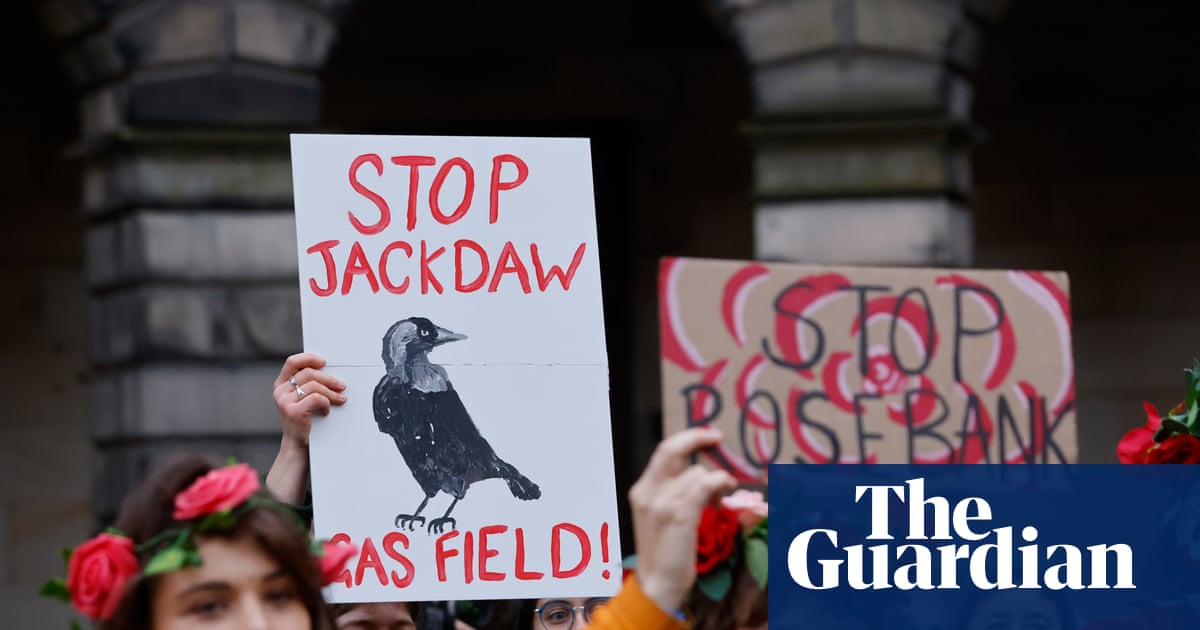
The United Kingdom government has officially approved the development of the Jackdaw gasfield in the North Sea, a decision that allows Shell to commence production from existing licenses. This authorization was widely anticipated by industry observers but has drawn sharp criticism from environmental organizations and certain members of the ruling Labour Party. The project is scheduled to begin supplying natural gas to British homes and businesses later this month, aiming to bolster domestic energy supplies during the upcoming winter season.
Energy Secretary Miatta Fahnbulleh defended the move as a necessary step to enhance national energy security through homegrown resources. She stated that the approval aligns with the country’s legally binding climate commitments while helping to reduce reliance on imported fuels with higher emission profiles. The government maintains that this decision supports the transition toward renewable and nuclear power, framing the gasfield as a bridge rather than a long-term solution in the broader energy mix.
The path to this approval involved significant legal and political maneuvering. Previously, environmental consent for both Jackdaw and the nearby Rosebank oil project had been withdrawn after a court ruling determined that operators must account for the carbon emissions resulting from the combustion of their products. Shell and Equinor, which operates Rosebank, resubmitted their applications earlier this year to address these concerns. The final decision on Jackdaw was delayed until after a recent by-election in London, where Labour successfully defended a seat against a Green Party challenger, suggesting strategic timing played a role in the announcement.
Critics argue that the environmental and economic benefits of the project are overstated. Tessa Khan, executive director of the campaign group Uplift, noted that Jackdaw would supply only about two percent of the UK’s gas demand for roughly a decade. She emphasized that the facility will be largely unmanned, operated remotely, and therefore unlikely to sustain significant employment levels in the region. Environmental advocates contend that any economic gain is negated by the substantial ecological damage caused by continued fossil fuel extraction.
In contrast, industry representatives highlight the potential economic impact of rejecting such projects. Adura, a joint venture between Shell and Equinor, commissioned a report indicating that blocking Jackdaw and Rosebank could cost the UK economy nearly £10.8 billion over the next ten years. The oil and gas sector claims these fields will contribute up to ten percent of the nation’s output at their peak, arguing that domestic production is vital for maintaining industrial competitiveness and energy independence.
The decision poses a political challenge for the Labour Party, which pledged in its 2024 election manifesto to ban new drilling licenses in the North Sea. While Jackdaw utilizes an existing license, the approval tests the party’s commitment to its climate platform. Polling data suggests that nearly one-third of voters, including many who supported Labour in the last election, would be less likely to vote for the party if it permits further North Sea oil and gas drilling. This sentiment is particularly strong among younger demographics, with half of those aged 18 to 24 expressing disapproval.
Political reactions have been polarized. Green Party leader Zack Polanski condemned the decision as a betrayal of future generations and an abandonment of climate credibility. He pointed out that government officials themselves have acknowledged the project will not significantly impact energy bills or create substantial jobs, with industry assessments estimating only 27 new positions. Conversely, the approval may strengthen Labour’s standing in north-east Scotland, where unions have campaigned vigorously for the permits to be granted and where the energy sector remains a key employer.
As the UK navigates this complex policy landscape, the Jackdaw decision underscores the tension between immediate energy security needs and long-term climate objectives. The government insists that ending new licenses remains a priority while managing existing assets responsibly. However, the controversy highlights the difficulty of balancing economic interests with environmental imperatives, particularly as public opinion shifts toward more aggressive climate action following recent extreme weather events.
Looking ahead, the separate decision on the Rosebank oilfield will likely face similar scrutiny and debate. The outcome of these projects will set a precedent for how the UK handles existing fossil fuel infrastructure in the context of its net-zero targets by 2050. Stakeholders across the political spectrum are watching closely to see whether this approach can reconcile the demands of energy independence with the urgent need to mitigate climate change impacts.
Sources behind this briefing
Go to the original reporting
- The Guardian World↗UK approves Jackdaw gasfield in North Sea