The short version
- Helen Haines remains in serious but stable condition at a Melbourne hospital following the amputation of both legs due to injuries sustained in a vehicle incident.
- Police have charged Brendan Nugent with multiple offenses, including dangerous driving and harming a public official, while he awaits further legal proceedings without bail.
- The incident has triggered broader discussions regarding the safety of elected officials and the intensity of political discourse across Australia.
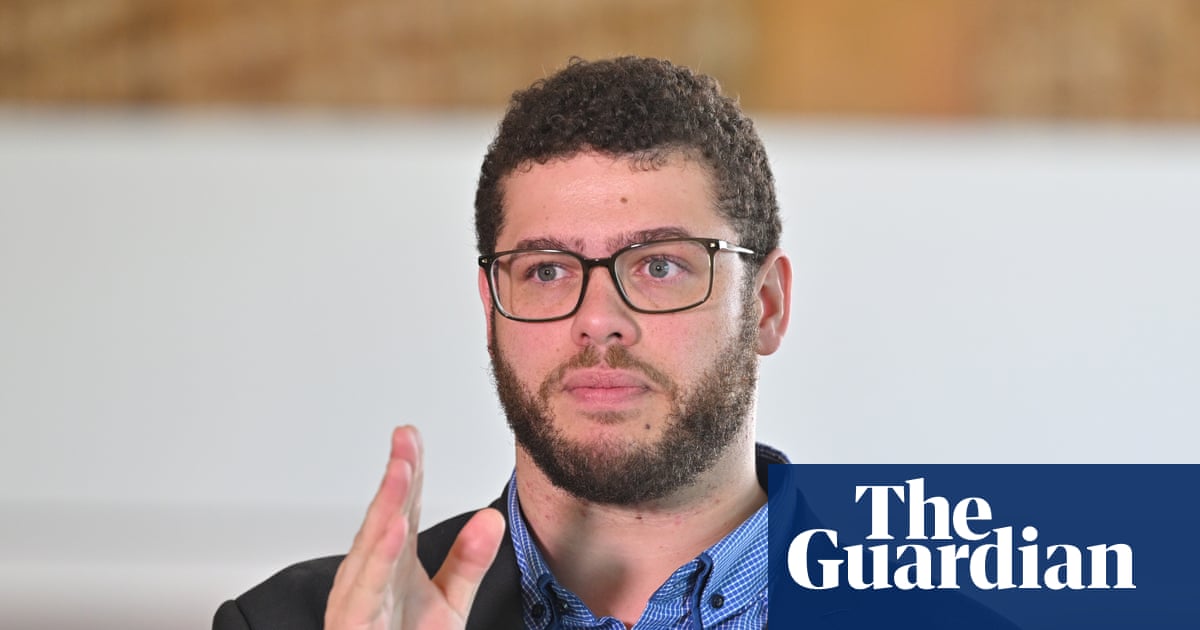
Federal Independent Member for Indi Helen Haines has been downgraded from critical to serious but stable condition, according to a Saturday morning update from The Alfred Hospital in Melbourne. This medical reassessment comes days after she was struck by a vehicle near her electorate office in Wangaratta, an incident that resulted in the amputation of both legs due to the severity of her injuries. Surgeons initially attempted to save her right leg but determined that removal was necessary given the extent of the trauma.
Phil Haines, the MP’s husband, provided earlier commentary on his wife’s resilience, emphasizing that her mental and emotional well-being remained intact despite the physical devastation. He described her as possessing a sharp intellect and a compassionate nature, traits he believes define her character beyond the immediate crisis. The family has asked for privacy and understanding as they navigate the complex recovery process ahead.
Legal proceedings have advanced against Brendan Nugent, a 43-year-old man from Tarrawingee, who faces charges including dangerous driving causing serious injury and intentionally causing serious injury. Authorities also added a Commonwealth offense of causing harm to a public official to the indictment. Court documents reveal two additional charges related to cultivating and possessing cannabis. Nugent appeared before magistrates in Wangaratta on Wednesday and did not apply for bail.
The aftermath of the attack has extended beyond the courtroom and hospital room, affecting Haines’ staff and the broader political community. Her team announced plans to reopen her electorate offices next Thursday, noting that many employees witnessed the incident or assisted in the immediate response. They acknowledged the profound emotional impact on the staff and requested patience as they manage their own healing alongside their professional duties.
Community support has been substantial, with more than $730,000 raised for Save the Children in Haines’ honor. Her husband directed donors toward this charity as his wife recovered, a gesture that has drawn widespread appreciation from locals and international observers alike. Staff members expressed deep gratitude for the generosity shown by people across Australia and around the world during this difficult period.
The incident has sparked renewed debate about the safety of politicians and the tone of public discourse in Australia. A community vigil was held in Wodonga on Wednesday evening, where attendees reflected on the shock and sorrow caused by the attack. Cathy McGowan, Haines’ predecessor as the member for Indi, noted that the community is grappling with mixed emotions, highlighting the personal connection many residents feel toward their representative.
Concerns about political violence have escalated following this event. In Western Australia, police charged a 56-year-old man with threatening staff and wielding nunchucks at the electoral office of state local government minister Hannah Beazley. This incident occurred just days after the attack on Haines, raising alarms about potential security risks for elected officials across the country.
As Haines continues her recovery, the focus remains on her long-term rehabilitation and the support systems in place to assist her. The Alfred Hospital’s update provides a measure of stability, but the road ahead is expected to be lengthy and challenging. Political leaders and constituents alike are watching closely, hoping for continued improvement while confronting the unsettling reality of violence targeting public servants.
The case underscores broader issues regarding mental health services in regional Victoria and the need for enhanced security measures for politicians. While specific causal links between political rhetoric and individual acts of violence remain complex and unproven, the timing of these incidents has prompted calls for a more measured approach to political engagement. The coming weeks will likely see further developments in both Haines’ medical journey and the legal case against Nugent.
Sources behind this briefing
Go to the original reporting
- The Guardian World↗Helen Haines’s condition improves days after losing both legs from alleged attack