The short version
- Federal prosecutors have demanded that California county registrars set aside and verify ballots linked to individuals suspected of being noncitizens within a forty-eight-hour window.
- The move follows a federal lawsuit targeting roughly twenty thousand voters and recent criminal charges against twenty-eight individuals accused of illegal registration and voting.
- State officials argue the federal data is unreliable and that complying with these demands threatens to delay vote certification and disenfranchise eligible citizens.
Federal prosecutors have escalated their scrutiny of California’s election administration by sending urgent letters to county registrars across the state. The Department of Justice has demanded that local officials set aside and verify ballots associated with individuals suspected of being noncitizens. According to the Los Angeles County Registrar-Recorder/County Clerk and a letter obtained by the Associated Press, these directives represent a significant intensification of legal pressure on state election infrastructure ahead of the midterm elections.
The letters impose a strict forty-eight-hour deadline for compliance. At least eighteen counties have received these communications, which require officials to provide identifying information corresponding with ballots that federal authorities believe were sent to illegally registered noncitizens. The Justice Department is requesting sensitive data, including Social Security numbers, identification details, and copies of voter registration documents. Officials are also instructed to sequester any ballots where citizenship status cannot be immediately verified.
Bill Essayli, the first assistant U.S. attorney, warned that election officials who knowingly process ballots from noncitizens expose themselves to legal jeopardy. The federal government’s list of suspected noncitizen voters includes 1,133 individuals in San Bernardino County alone. Authorities argue that obtaining this information will allow both state and federal agencies to quickly assess each person suspected of illegally registering to vote.
This administrative pressure follows a broader legal campaign by the Trump administration against California election officials. Earlier this month, the federal government filed a lawsuit targeting Los Angeles County and the California Secretary of State’s office. The suit aimed to block the counting of votes from approximately twenty thousand people identified as likely noncitizen voters. A hearing on this case is scheduled for Tuesday, with the Trump administration having asked the Ninth Circuit Court of Appeals to rule on the matter before a district judge can issue a decision.
State officials have strongly opposed these federal demands. Lawyers for California argue that the Justice Department’s data is unreliable and that complying with the requests risks disenfranchising eligible citizens. In legal filings, state representatives contend that the federal actions threaten to delay the certification of the vote and undermine the legitimacy of the November midterms. They view the sudden demand for voter data as an overreach that compromises election integrity rather than protecting it.
The dispute unfolds against a backdrop of statistical evidence suggesting that noncitizen voting is exceedingly rare. Data indicates that illegal voting by people who are not U.S. citizens is difficult to prove and has never been shown to change the outcome of any race. Despite this, the federal government has continued to pursue aggressive enforcement actions, including a statewide sweep earlier in the week.
During that sweep, federal authorities charged twenty-eight people from the list of twenty thousand suspected noncitizens. These individuals face charges for illegally registering to vote, casting ballots without citizenship, and lying on naturalization paperwork. Such convictions could result in years of imprisonment. The combination of criminal prosecutions and administrative demands creates a complex legal environment for county election workers.
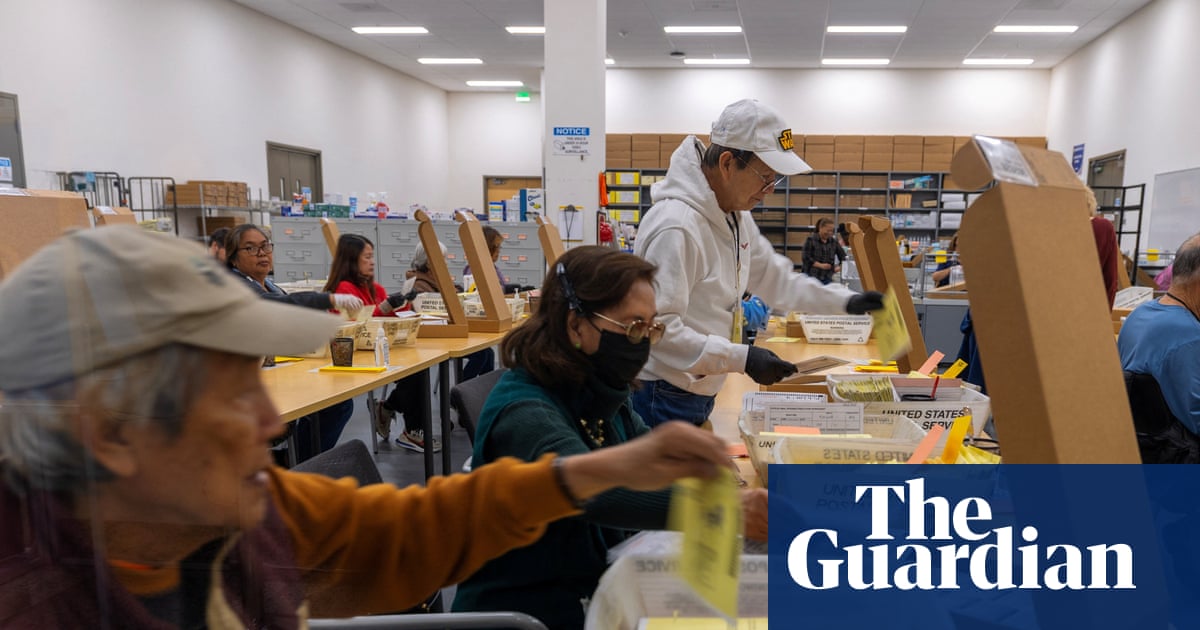
Voting is currently underway in California, with more than twenty-three million registered voters having received mail-in ballots earlier this month. The state reported that over three hundred thirty thousand mail-in ballots have already been counted. As the election progresses, the conflict between federal enforcement priorities and state election administration continues to intensify, raising questions about the stability of the voting process.
The immediate future of these disputed ballots remains uncertain. County officials must navigate the forty-eight-hour deadline while balancing federal demands against state laws protecting voter privacy and ensuring timely certification. The outcome of the pending lawsuit and the Ninth Circuit’s involvement will likely determine whether these sequestered ballots are counted or discarded, potentially affecting the final results in key districts.
This episode highlights the ongoing tension between federal oversight and local election management. While the Justice Department seeks to root out perceived fraud, state officials warn that the methods employed may cause more harm than good by delaying results and casting doubt on the democratic process. The resolution of this conflict will have significant implications for future elections and the relationship between federal and state authorities.
Sources behind this briefing
Go to the original reporting
- The Guardian World↗California officials ordered by DoJ to set aside ‘likely’ noncitizen ballots