The short version
- Jordon Steele-John has confirmed he will remain absent from parliament while an independent inquiry examines historical misconduct claims.
- Party leader David Shoebridge stated that leave was granted after internal pressure, though Steele-John disputes the voluntary nature of his absence.
- Police previously closed their investigation into similar matters without filing charges, but parliamentary standards bodies are now reviewing the complaints.
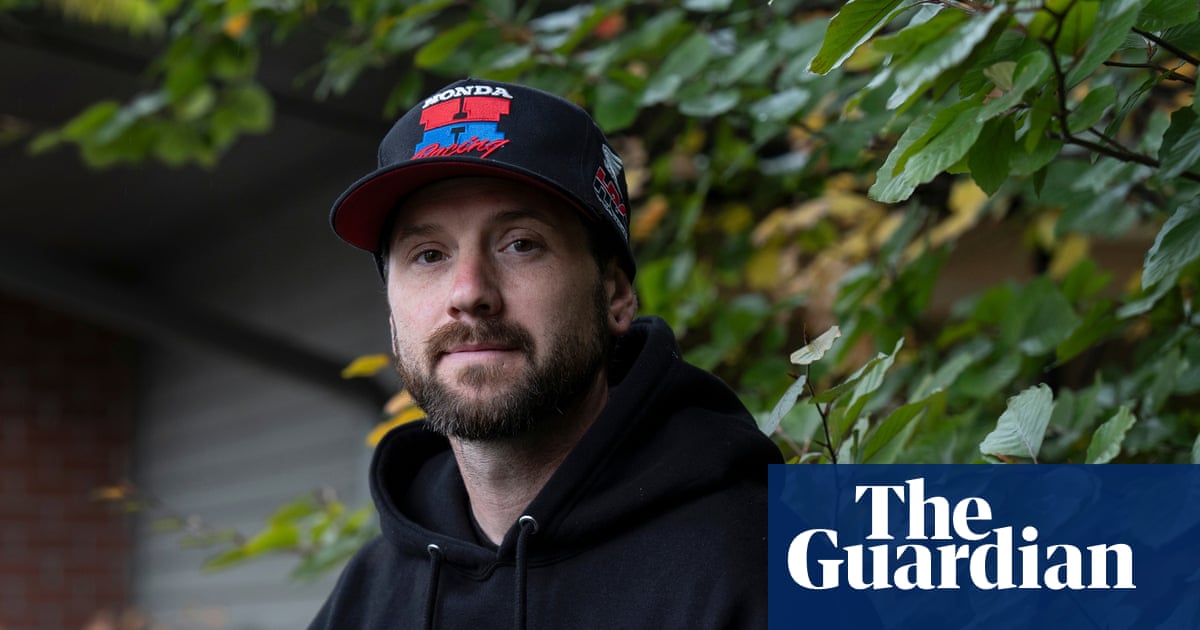
Jordon Steele-John, a senator for the Australian Greens representing Western Australia, has confirmed he will not attend parliament next week. This decision comes as an independent investigation proceeds into historical allegations of misconduct involving his interactions with women between 2017 and 2025. The senator’s absence marks a pivotal moment in a growing internal conflict within the party, which has been grappling with how to handle serious complaints while maintaining legislative duties.
In a statement released late Friday night, Steele-John addressed the uncertainty surrounding his parliamentary attendance. He noted that he had considered participating in Senate estimates virtually but was informed that such an arrangement would be deemed unacceptable by relevant authorities. Consequently, he intends to focus on ensuring the independent investigation reaches its conclusion without further disruption to the legislative process.
The controversy intensified after a three-page letter from seven party members was made public. The authors of the letter urged an investigation into claims of serious misconduct, citing concerns about Steele-John’s behavior in the presence of women. They referenced specific incidents, including an alleged instance of sexual harassment at a campaign event in 2024 and another claim of serious sexual misconduct from 2025. The letter emphasized that while allegations do not equate to guilt, thorough investigation was necessary to align with community expectations.
David Shoebridge, the leader of the Greens, stated that he accepted Steele-John’s request for leave last week following the internal pressure generated by the letter. However, Steele-John has contested this narrative, asserting that he did not voluntarily agree to step aside. He accused an unofficial faction within the Western Australian branch of orchestrating the release of the complaint letter to the media in an effort to remove him from the Senate.
Steele-John’s initial response to the allegations was defiant. In a lengthy statement issued earlier, he rejected the claims against him and criticized what he described as nasty political games played by internal party factions. He argued that a precedent had been set where parliamentarians are excluded based on mere allegations rather than established facts. He maintained that if formal complaints had been made directly to him, he would have taken immediate action.
The complaints have now been referred to the Independent Parliamentary Standards Commission for review. Additionally, the Western Australian Greens have commissioned an independent investigation into the matter. This dual-track approach aims to address both parliamentary standards and internal party governance issues. The process underscores the complexity of handling historical allegations within a political framework that requires transparency and accountability.
Legal proceedings related to similar matters had previously concluded without criminal charges. Police in Western Australia informed Steele-John in May that their investigation was closed with no further action taken. Despite this, the political ramifications have persisted, driven by internal party dynamics and public scrutiny. The distinction between legal innocence and political viability remains a central tension in the current dispute.
The situation highlights broader challenges facing the Greens as they navigate issues of conduct and representation. The nickname referenced in the complaint letter, which implied a reputation for inappropriate behavior, has added to the controversy. Party members have stressed the need for thorough investigation to restore trust among constituents and fellow legislators. The outcome of these inquiries will likely influence future party policies regarding member conduct.
As the investigation unfolds, attention remains on how the Greens will manage this internal crisis without compromising their legislative effectiveness. Steele-John’s absence from parliament next week is a temporary measure, but its long-term implications for his career and the party’s cohesion are still unclear. The coming weeks will be critical in determining whether the allegations lead to further disciplinary action or if they are resolved through the investigative process.
Observers note that the handling of this case sets a precedent for how political parties address historical misconduct claims. The balance between due process and public accountability is delicate, especially when allegations involve sensitive personal behavior. The Greens’ response will be scrutinized not only by their own members but also by the wider political community and the public, who expect high standards of conduct from elected officials.
Sources behind this briefing
Go to the original reporting
- The Guardian World↗Embattled Greens senator Jordon Steele-John confirms leave from parliament after allegations against him made public