The short version
- The cost of balancing the national grid reached nearly £50 million in a single day, with September marking the highest monthly total on record at £505 million.
- Transmission bottlenecks prevented wind power from reaching demand centers, forcing operators to curtail renewable output and rely on gas plants and European imports.
- Regulatory reviews are underway following allegations that system operators concealed risks during a summer heatwave, raising questions about grid reliability and future investment pace.
The financial burden of maintaining stability in Great Britain’s electricity network has escalated to near-record levels, with daily balancing costs approaching £50 million. This surge highlights significant structural challenges within the national power system, where physical limitations in transmission infrastructure are preventing renewable energy from reaching areas of high demand. The situation underscores a growing disconnect between the rapid expansion of green energy projects and the slower pace of upgrades to the networks required to distribute that power effectively.
On a recent Wednesday, the grid operator incurred costs of £47.9 million to manage supply imbalances. This expenditure involved paying wind farms in regions with excess generation to cease production while simultaneously activating gas-fired plants in areas facing tight supplies. The expense included a single half-hour period that cost £1.6 million alone. These figures represent some of the highest daily costs recorded since the early stages of the Ukraine crisis in 2022, signaling a persistent strain on the system’s economic efficiency.
The cumulative impact of these balancing measures is substantial. September saw total grid balancing costs reach £505 million, the highest monthly figure ever recorded. Projections indicate that these expenses could climb to £3.2 billion over the coming year. These costs are ultimately passed on to consumers through household energy bills, adding pressure to living standards while raising questions about the long-term viability of the current grid management strategy.
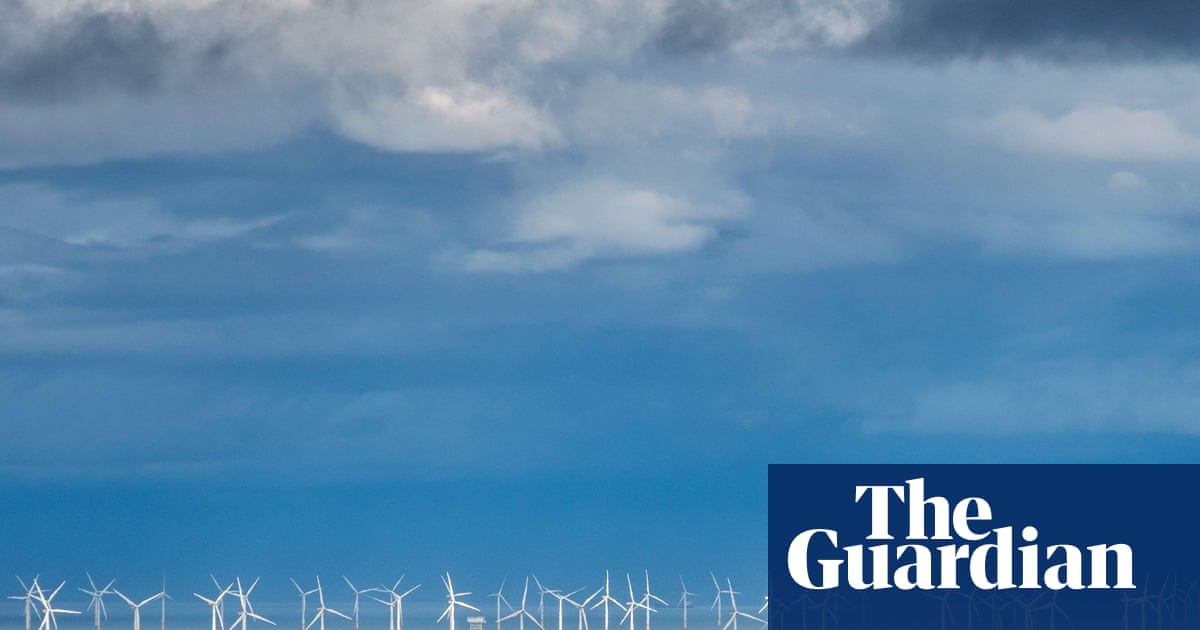
The root cause of these expenditures lies in transmission bottlenecks rather than a lack of overall power generation. According to industry analysts, approximately 9 gigawatts of wind and hydropower capacity were paid to remain idle on that Wednesday. This amount of curtailed energy is sufficient to power more than eight million typical households. The issue is particularly acute in Scotland, where abundant wind resources often cannot be transmitted southward to population centers due to insufficient high-voltage cabling connecting the regions.
To compensate for this lack of domestic transmission capacity, system operators have increasingly relied on alternative measures. This includes firing up gas and biomass plants and importing electricity from Europe via high-voltage subsea cables. In recent weeks, the National Energy System Operator (Neso) was forced to request emergency assistance from its French counterpart, securing last-minute power supplies to prevent shortages. Such interventions are considered last-resort measures and indicate that the system is operating under significant stress despite adequate overall generation potential.
These operational challenges have intensified scrutiny of Neso’s management practices. The recent cost spikes follow a period of severe grid strain during the summer, when a high-pressure heat dome reduced renewable output while surging demand for air conditioning pushed the system to its limits. During that time, independent investigators were brought in to examine whistleblower claims that staff had covered up risks associated with a near-blackout event in late June.
Political and regulatory attention has focused on whether senior leadership prioritized reputation over safety during the summer crisis. Shadow energy secretary Claire Coutinho raised accusations in parliament that bosses were risking blackouts to protect the organization’s image. In response, Neso chief executive Fintan Slye acknowledged the difficulty of the period but defended the team’s performance, noting that no customers were disconnected and system frequencies remained within statutory limits.
Looking ahead, an industry regulator review by Ofgem is expected to yield lessons from the summer incidents. The broader context involves a £150 billion upgrade program for power networks that critics argue is failing to keep pace with new renewable connections. Until transmission infrastructure catches up with generation capacity, the grid operator may continue to face high costs and operational risks, requiring frequent interventions to balance supply and demand across the country.
Sources behind this briefing
Go to the original reporting
- The Guardian World↗Cost of balancing Great Britain’s power grid reaches nearly £50m a day