The short version
- Seven crew members are missing after drones struck two tankers near Romania's coast, with NATO sources identifying the weapons as Russian in origin.
- Romanian and Bulgarian officials have condemned the attacks on commercial shipping, describing them as unacceptable violations of international maritime law.
- The incidents follow a pattern of drone strikes in the region over the past ten days, raising fears that the Black Sea is becoming an active front in the war with Ukraine.
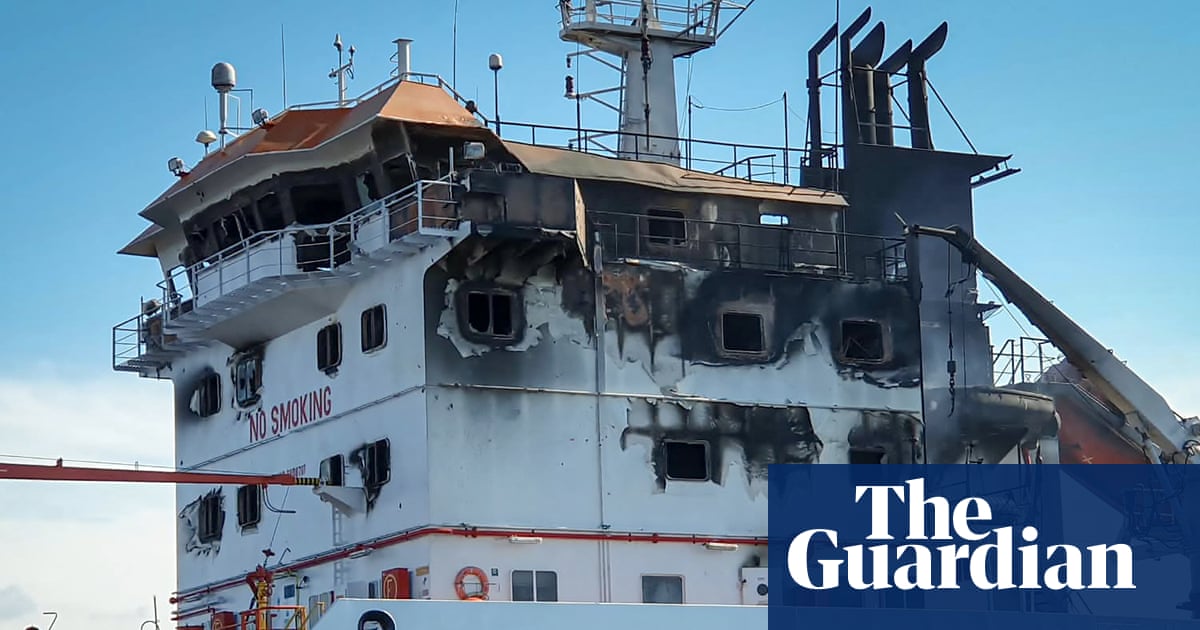
Seven sailors are missing following drone attacks on two tankers near Romania’s Black Sea coast, an incident that has intensified security concerns along a critical shipping corridor used by Ukraine. The strikes set the vessels ablaze and have drawn sharp condemnation from regional leaders and NATO officials. A military source within the alliance told Reuters that the drones responsible for the fires originated from Russia. This attribution adds to growing fears that the conflict is spilling over into international waters, threatening commercial navigation and regional stability.
The affected vessels were the Wine Trader and the Yara J. The Wine Trader, which flies a San Marino flag, was traveling from Tunisia to Romania when it was hit. All seven missing crew members were aboard this ship. The Yara J was struck just inside Romanian territorial waters late on Wednesday. Fortunately, all crew members on the Yara J were accounted for and reported safe. The proximity of these attacks to NATO member states has raised urgent questions about the safety of maritime routes and the potential for further escalation.
Romanian President Nicușor Dan described the situation in the Black Sea as serious, emphasizing that commercial ships are being attacked and sunk close to the shores of Romania and Bulgaria. He stated that seafarers are being killed, injured, and missing, calling the attacks unacceptable and demanding they stop. However, while condemning the violence, President Dan declined to explicitly confirm Russian responsibility for these specific strikes. His cautious stance reflects the diplomatic complexity of attributing blame without definitive public evidence, even as NATO sources point to Moscow.
The incident follows a meeting between President Dan, Bulgarian Prime Minister Rumen Radev, and NATO Secretary-General Mark Rutte. The leaders agreed to strengthen defenses in the Black Sea region. Rutte affirmed that NATO will continue working closely with allies in the area, adjusting deterrence and defense postures as necessary. An official noted that the issue would be discussed at a meeting of the North Atlantic Council next week. This coordinated response highlights the alliance’s concern over the changing security dynamics in the region.
These attacks are part of a broader pattern of violence against merchant shipping in recent weeks. In the past ten days, at least 23 sailors have been reported missing or killed after attacks on commercial vessels near the coasts of Bulgaria and Romania. On Tuesday, drone strikes hit two ships off the Bulgarian coast, prompting emergency rescue operations. Eleven crew members from the HS Dignity, a cargo ship sailing under a Guinea-Bissau flag, remain missing. Another vessel, the Ukrainian-operated Chelsea 3, flying a Maltese flag, was also struck. Rescuers evacuated all 15 crew members from the Chelsea 3, with five receiving treatment for minor injuries after three aerial drones hit the deck and hull.
Bulgarian Prime Minister Rumen Radev acknowledged that the results of these attacks favor Russia but noted a lack of solid evidence to definitively attribute the drones to Moscow. This uncertainty complicates the diplomatic response. Despite this, EU leaders are preparing to condemn the attacks in a draft summit declaration. The document will state that attacks against civilian shipping, including those in the exclusive economic zones of Bulgaria and Romania, are unacceptable and constitute serious violations of international and maritime law.
The escalation comes as Russia has intensified its bombing campaign against Ukraine’s Black Sea infrastructure. This pressure has forced Kyiv to rely on Danube river ports and Black Sea routes off the coasts of Romania and Bulgaria to export grain, sunflower oil, and other products. Romania shares a 614-kilometer border with Ukraine, much of it along the Danube. The country has experienced frequent drone incursions since Russia launched its full-scale invasion in 2022, including a daytime encroachment last November that led NATO to scramble fighter jets.
The convergence of military conflict and commercial shipping routes has created a volatile environment. The attacks on the Wine Trader and Yara J underscore the risks faced by seafarers in the region. As NATO and EU leaders work to coordinate a response, the immediate priority remains locating the missing sailors and ensuring the safety of future voyages. The coming weeks will likely see increased diplomatic activity and potential adjustments to naval presence in the Black Sea as allies seek to deter further aggression.
Sources behind this briefing
Go to the original reporting
- The Guardian World↗Seven sailors missing after drones strike tankers near Romania’s Black Sea coast