The short version
- The Green-led minority administration in Lambeth has moved to cancel demolition plans for Cressingham Gardens and Central Hill estates.
- Previous Labour leadership argued the sites required redevelopment to address poor repair conditions and increase affordable housing stock.
- Residents and independent reviewers had criticized the long-running project for causing community distrust and failing to deliver significant net social rent homes.
Two prominent council housing estates in south London have been removed from demolition schedules following a shift in local political power. Cressingham Gardens and the Central Hill estate, both designed in the 1960s, had faced the threat of being razed for more than ten years under previous administration plans. The reversal comes after the Green Party won the most seats in May elections, establishing a minority administration that opposes the destruction of these architecturally noted developments.
The decision marks the end of a prolonged period of instability for tenants and leaseholders who had lived with the prospect of displacement. Lambeth Council’s cabinet is expected to formally reverse the demolition proposals at an upcoming meeting. This move halts a strategy that was pursued when the Labour Party controlled the council, which argued that the existing structures were in poor repair and that clearing them would allow for the construction of badly needed social and affordable homes.
The estates are celebrated for their distinctive design philosophies that diverged from the high-rise tower blocks common in mid-century British housing. Cressingham Gardens, located adjacent to Brockwell Park, was conceived to foster neighborliness through layouts where front doors face one another and green spaces are integrated for play. The Central Hill project, situated on a sloping site near Crystal Palace, was led by Rosemary Stjernstedt at a time when women were rarely involved in social housing design. Her work focused on maximizing natural light within the structures.
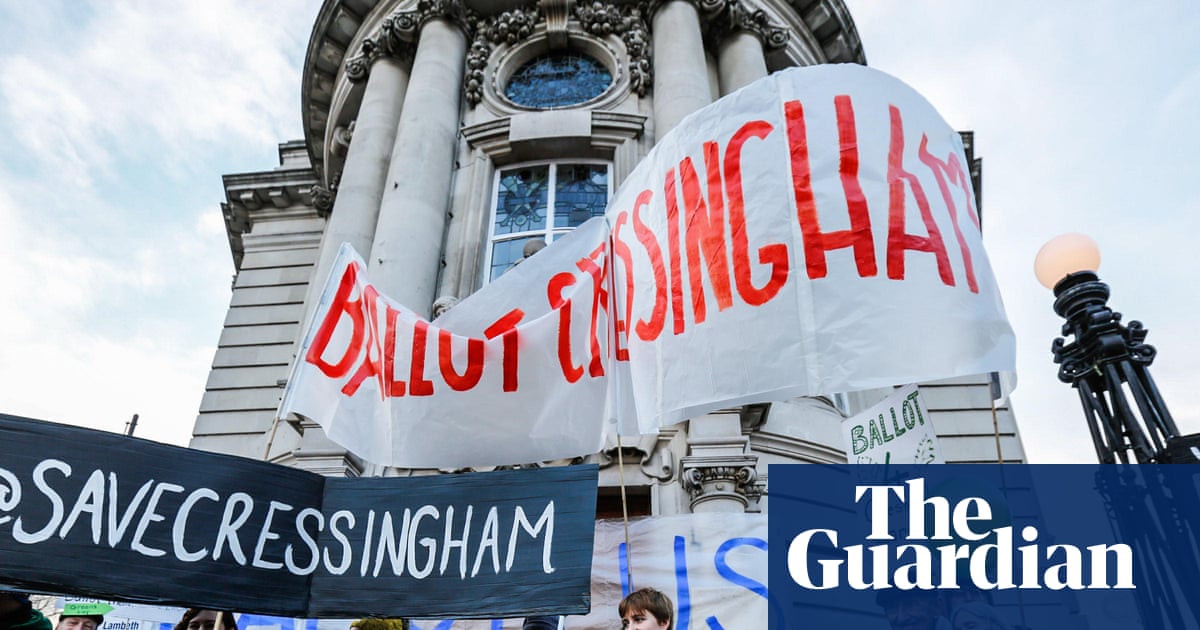
Ted Hollamby, who led the team of Lambeth architects responsible for these projects, championed a move toward lower-rise housing options. The architectural significance of these sites has drawn wider attention beyond local politics, highlighting the tension between preservation and modernization in urban planning. Residents have campaigned tirelessly to save their homes, arguing that the low-density developments are not only popular among those living there but also hold substantial design value that warrants protection rather than replacement.
Skepticism regarding the redevelopment plans had grown over the years, fueled by concerns about the actual benefits to the housing market. A 2022 review of Homes Lambeth, the now-defunct body that managed housing for the council, questioned the logic behind the demolition. The review noted that the net number of social rent homes expected to be created from the redevelopment was very small, casting doubt on the claim that razing the estates would significantly alleviate the shortage of affordable housing.
Sir Bob Kerslake, the former head of the civil service who led the independent review, highlighted severe issues with how the council handled the process. He reported that feedback from residents was uniformly negative, citing inconsistent policy application, significant delays, and poor communication as major grievances. Kerslake concluded that these operational failures had resulted in exceptionally low levels of trust between the community and the local government, a dynamic that likely influenced the new administration’s approach.
Martin Abrams, the Green leader of Lambeth, described the decision as a decisive moment for both Central Hill and Cressingham Gardens. He credited his colleagues for securing the future of these communities without resorting to demolition. The focus now shifts toward investing in the existing homes and bringing empty properties back into use, rather than rebuilding from scratch. This strategy aims to stabilize the neighborhoods while addressing immediate housing needs through renovation.
Pete Elliott, the cabinet member for housing, emphasized that the new proposals end years of uncertainty for residents. After more than twelve years of fighting for a better future for these estates, officials believe the priority should be repairing homes and supporting communities. The reversal allows the council to concentrate resources on filling empty properties and maintaining the structural integrity of the existing buildings, offering a reprieve to those who had long feared displacement.
The outcome underscores the complex interplay between architectural heritage, housing policy, and local governance in London. While the previous administration viewed demolition as a necessary step to improve living conditions and increase housing supply, the current leadership sees value in preserving the existing structures. The resolution provides a clear path forward for residents who have endured a decade of limbo, allowing them to remain in homes that are both historically significant and personally meaningful.
As the cabinet prepares to finalize the reversal, the broader implications for urban development in Lambeth remain under scrutiny. The case serves as a reminder of the challenges involved in balancing modern housing demands with the preservation of mid-century design innovations. For now, the immediate threat to Cressingham Gardens and Central Hill has been lifted, marking a significant victory for resident campaigners and advocates of architectural conservation.
Sources behind this briefing
Go to the original reporting
- The Guardian World↗Two 1960s London housing estates saved from demolition after decade-long battle