The short version
- Violent confrontations erupted at high schools across France as student protests against resource shortages expanded from Paris to multiple regions.
- Authorities reported hundreds of arrests and dozens of injuries among students, staff, and police officers during the escalating demonstrations.
- Political leaders clashed over the government's use of force, with opposition figures condemning the response as brutal while officials defended public order measures.
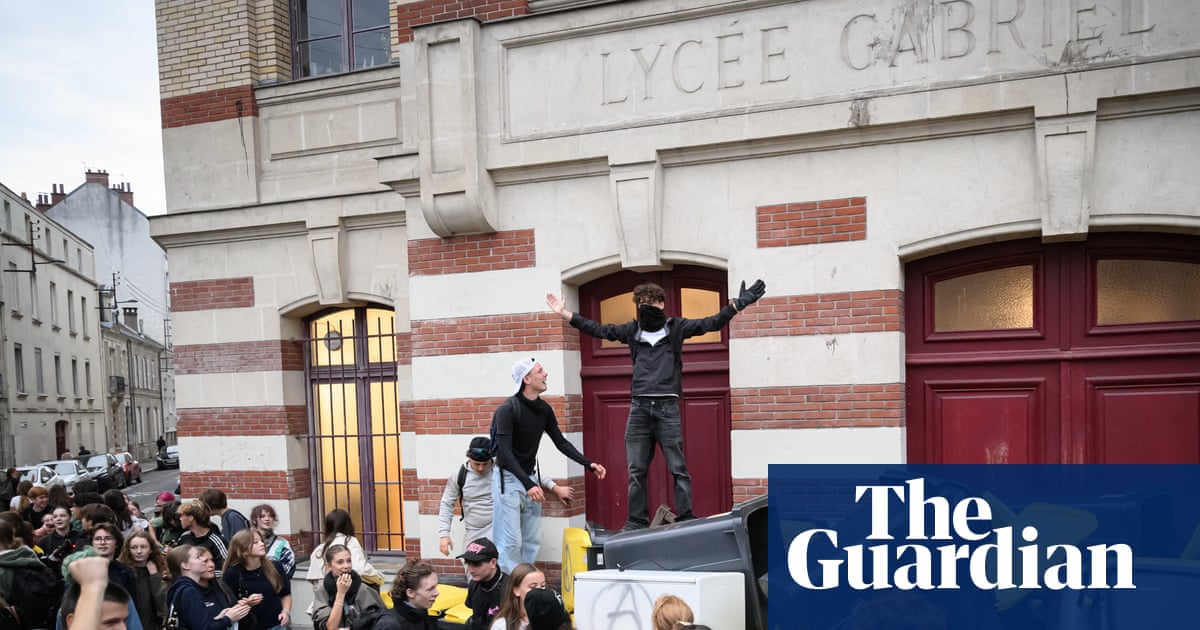
Protests by French high school students have intensified into widespread violent clashes with law enforcement, marking a significant escalation in demonstrations that began last week in Paris. What started as localized blockades has spread across the country, involving hundreds of educational institutions and drawing sharp criticism from political opponents who accuse the government of excessive repression. The unrest highlights deepening tensions over the state of public education, with students citing overcrowded classrooms, severe teacher shortages, and exhausting schedules as primary grievances.
The situation deteriorated rapidly on Tuesday, with reports of violence in cities including Lille, Bordeaux, Rennes, Nantes, and Marseille. In Lille, located in northern France, high school pupils engaged in confrontations that involved setting fire to trash bins and throwing bottles, paving stones, and other projectiles at police officers. Law enforcement responded with tear gas after protesters vandalized bus shelters and advertising billboards. These incidents represent a shift from earlier peaceful demonstrations to more aggressive tactics, prompting authorities to deploy riot police units known as the CRS and anti-criminal brigades referred to as the BAC.
Official figures indicate a substantial increase in both the scale of the protests and the number of arrests. On Monday, Interior Minister Laurent Nuñez stated that disturbances had occurred at 180 schools, resulting in injuries to twelve police officers, twelve students, and three school staff members. By midday on Tuesday, the education ministry reported that protests had expanded to 300 high schools, with an additional forty arrests and ten more injuries among students and staff. The cumulative toll underscores the growing volatility of the situation and the challenges faced by authorities attempting to maintain order.
Political reactions to the unrest have been sharply divided. Prime Minister Sébastien Lecornu condemned the violence, stating that endangering students, staff, or police through fireworks, fires, and aggression is unjustifiable. He characterized the escalation as irresponsible and emphasized the duty of elected officials to protect young people and call for calm. In contrast, Jean-Luc Mélenchon, leader of the hard-left France Unbowed party, accused the government of ordering a crackdown with a clear racist undertone. Mélenchon described the protesting students as harmless and urged activists and officials to intervene on their behalf.
Lecornu responded swiftly to Mélenchon’s accusations, labeling them an insult and arguing that exploiting student anger for partisan purposes is wrong. He maintained that the government’s priority is protecting youth rather than suppressing legitimate concerns, though he firmly rejected the characterization of police actions as brutal or racist. This exchange reflects a broader political struggle over how to address social unrest, with the executive branch prioritizing public order and opposition figures framing the response as an attack on civil liberties.
Student union leaders have expressed strong dissatisfaction with the government’s approach. Ryad Rani, president of the Union Syndicale Lycéene, called for a total blockade of high schools as a parallel action but urged protesters to remain peaceful. He criticized a circular sent by the interior and education ministries instructing police to maintain public order with proportional force, describing it as an absolute scandal. Rani argued that meeting fifteen- to eighteen-year-old pupils with riot police constitutes institutionalized repression and fails to address the underlying issues of resource scarcity and inequitable conditions.
The protests are occurring alongside broader labor unrest, as French unions strike over government budget plans that include fifty-four million euros in public spending cuts. An estimated forty percent of primary school teachers stopped work on Tuesday, joining other public sector workers in demonstrating against fiscal austerity measures. Caroline Chevé, secretary general of the main teachers’ union, joined protesters in Paris and noted that students face similar challenges to educators, including overcrowded classrooms and staffing shortages. She emphasized that both groups are angry about the same systemic failures.
At some schools, teachers and staff have physically positioned themselves between students and police to protect young demonstrators from potential harm. Rani highlighted these moments as evidence of solidarity within the education community, suggesting they offer a more accurate picture of the protests than images of violence. The involvement of educators adds complexity to the narrative, illustrating how resource constraints affect all levels of the school system. As tensions remain high, the coming days will likely reveal whether dialogue can emerge or if further escalation is inevitable.
The immediate future remains uncertain, with no clear resolution in sight. While student leaders continue to demand fairer and more equitable conditions, the government has shown little sign of reversing its stance on public order or budgetary policies. The combination of widespread protests, political polarization, and ongoing labor strikes suggests that the crisis may deepen before it stabilizes. Observers will be watching closely to see if additional measures are taken to de-escalate the situation or if further confrontations become the norm.
This episode underscores the fragility of France’s public education system under financial pressure. With classrooms holding up to thirty-five students and timetables extending from early morning until evening, many pupils feel overwhelmed by academic demands without adequate support. The intersection of student activism, teacher solidarity, and political conflict creates a volatile environment that challenges traditional approaches to governance. How authorities manage this crisis could have lasting implications for educational policy and social stability in the country.
Sources behind this briefing
Go to the original reporting
- The Guardian US↗French students and police clash as school blockades turn violent