The short version
- Voter registration among citizens under thirty-five dropped to nineteen percent, contributing to an overall turnout of just thirty-eight percent in the recent parliamentary election.
- Young protesters previously demanded increased investment in healthcare and education while criticizing the diversion of state funds toward World Cup infrastructure projects.
- The center-right coalition retained power despite low engagement, with speculation mounting that a football federation official may assume the role of prime minister.
Morocco’s recent parliamentary election revealed a profound disconnect between the government and its youngest citizens, characterized by historic levels of political disengagement. While the center-right coalition led by the Authenticity and Modernity party maintained control, the legitimacy of this victory is tempered by an overall voter turnout of only thirty-eight percent among registered individuals. This figure represents the lowest participation rate in two decades, signaling a significant erosion of trust in the country’s hybrid democratic system.
The apathy was most pronounced among younger demographics. Data indicates that merely nineteen percent of Moroccans under the age of thirty-five bothered to register to vote. Consequently, fewer than one in four eligible citizens cast a ballot. This mass abstention by Generation Z stands in stark contrast to their active presence on the streets exactly one year prior, when they organized the largest demonstrations since the 2011 Arab Spring uprisings.
Those earlier protests were driven by urgent demands for improved public goods, specifically healthcare and education. Demonstrators expressed widespread anger over the allocation of substantial government resources toward preparations for the 2030 FIFA World Cup, which Morocco will co-host with Spain and Portugal. A prominent slogan from those rallies emphasized a preference for medical services over international sporting events, highlighting a generational frustration with national priorities.
The state response to these demonstrations was severe. Authorities conducted thousands of arrests amid allegations of brutal treatment by security forces. Hundreds of participants remain incarcerated, creating a climate of fear and resentment that likely contributed to the subsequent electoral boycott. The lack of participation should not be interpreted as indifference but rather as a calculated rejection of a political process perceived as unresponsive to their needs.
Economic pressures further exacerbate this disillusionment. Approximately one-third of Morocco’s population is between fifteen and thirty years old, with more than a third of that cohort unemployed. The scarcity of domestic opportunities has incentivized many young men to undertake dangerous journeys to reach the European Union. This desperation was starkly illustrated by recent incidents in which migrants attempted to swim from Moroccan waters to the Spanish exclave of Ceuta, resulting in over one hundred deaths, mostly by drowning.
Despite these humanitarian crises and social unrest, the government appears committed to its current trajectory. The International Monetary Fund estimates that expenditures related to the World Cup could reach nearly twelve percent of Morocco’s 2024 GDP. These preparations are expected to dominate political discourse throughout the next parliamentary term, with significant investments flowing into major cities and benefiting an insider elite rather than addressing broader socioeconomic challenges.
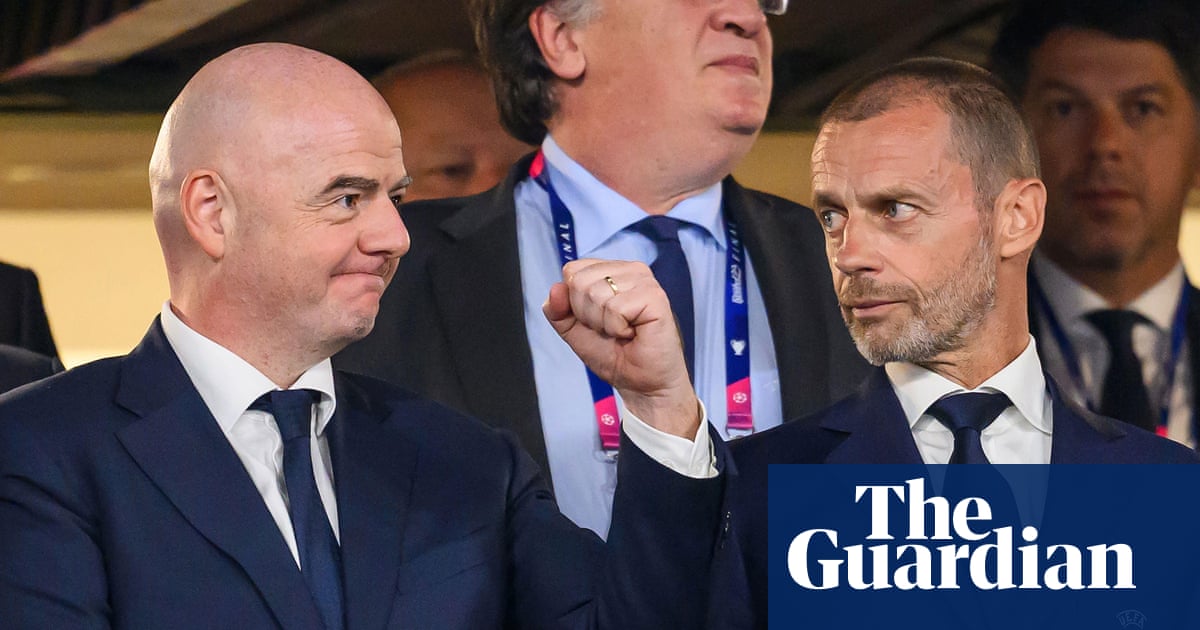
Speculation regarding future leadership adds another layer of complexity to the political landscape. Fouzi Lekjaa, head of the Royal Moroccan Football Federation, is widely considered a strong candidate for the position of prime minister. His recent affiliation with the ruling party just weeks before the election underscores the intertwining of sports administration and state governance in Morocco.
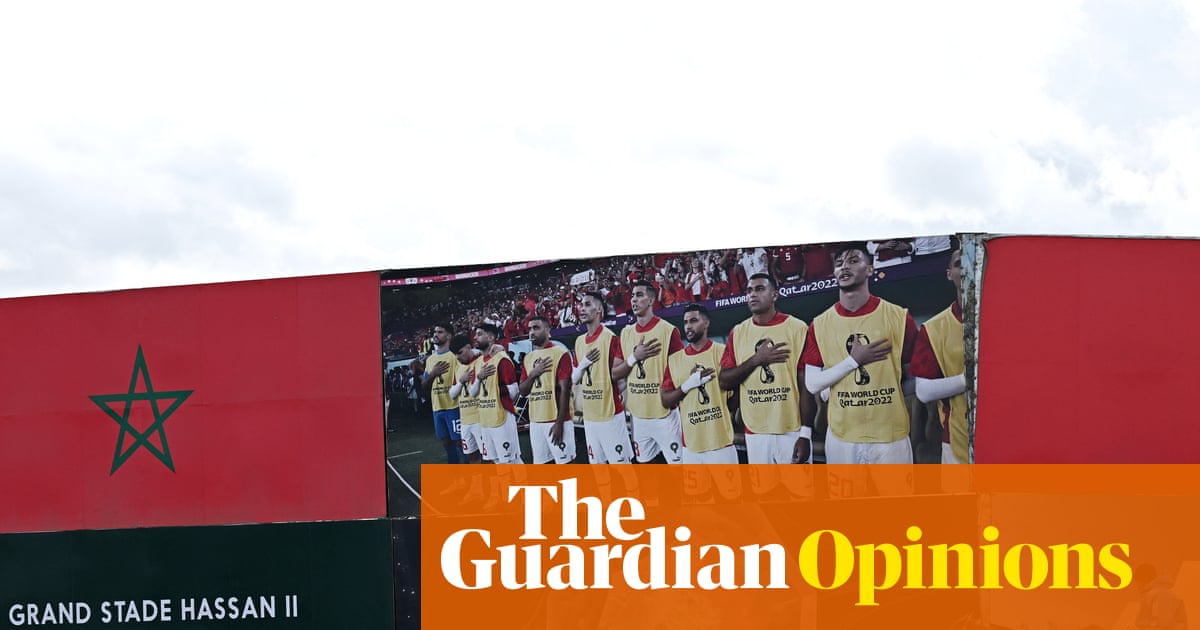
While the Grand Stade Hassan II is projected to become the world’s largest football stadium with a capacity of 115,000, potentially hosting the World Cup final in four years, this spectacle does little to address immediate domestic concerns. The humanitarian emergency in Ceuta continues as thousands remain in tented camps. For Morocco’s disillusioned youth, the focus remains on securing basic necessities and better prospects rather than celebrating international sporting achievements.
The coming years will test whether the monarchy and its administration can bridge the gap between global prestige projects and local welfare needs. Without meaningful shifts in resource allocation or political inclusion, the current trajectory risks storing up significant instability for the future. The contrast between the grandeur of upcoming stadium construction and the grim reality of unemployment and migration underscores a nation at a crossroads.
Sources behind this briefing
Go to the original reporting
- The Guardian US↗The Guardian view on Morocco’s election: hosting a World Cup will not placate a disillusioned generation | Editorial