The short version
- A forest fire in Sumatra has destroyed almost three hundred residences and forced approximately one thousand residents to evacuate their homes.
- The current blaze is part of a broader national crisis driven by El Niño, with emissions potentially matching the historic levels seen during the 2015 disasters.
- Critical wildlife populations, including orangutans and proboscis monkeys, are facing severe habitat loss and mortality as fires continue to spread across Borneo.
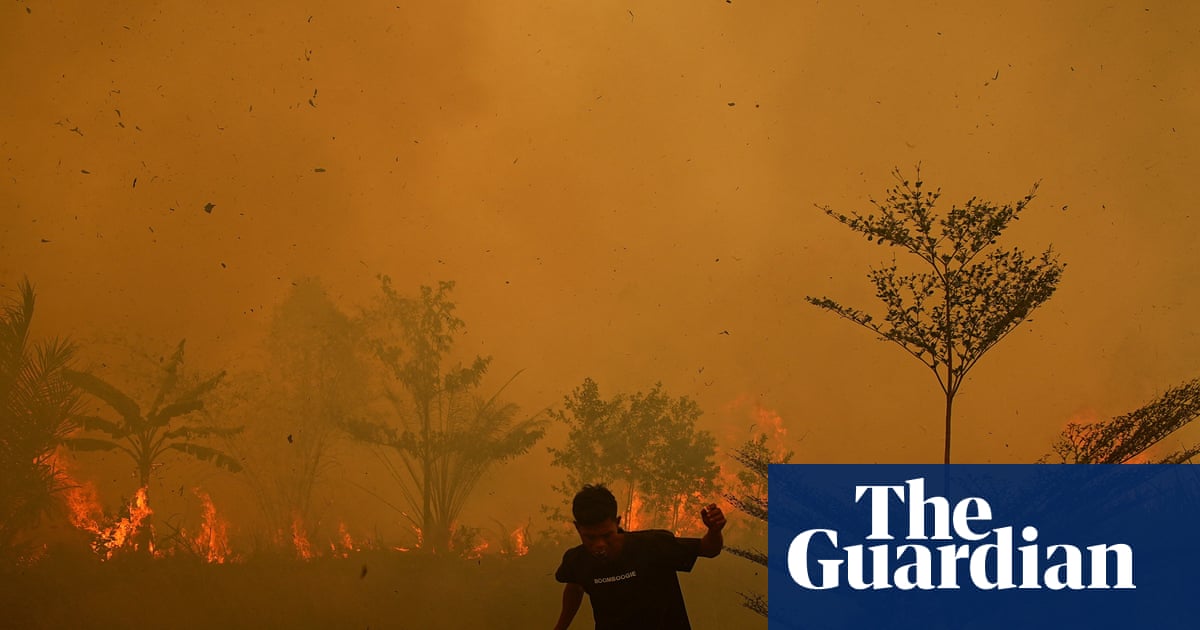
A significant wildfire on Indonesia’s Sumatra island has destroyed nearly three hundred homes, displacing hundreds of residents in the Bangka Belitung province. The blaze, which intensified rapidly after shifting winds drove flames toward a settlement, has forced approximately one thousand people to flee their villages. Local officials describe the current environmental conditions as the most severe experienced in the region over the past ten years, driven largely by the El Niño weather phenomenon.
The incident in South Bangka regency highlights the dangers of building on converted peatlands. Residents initially attempted to extinguish the fire using portable water pumps, believing they had contained the threat. However, because the land was formerly protected peatland that had been developed into a housing complex only last year, smoldering fires persisted beneath the surface. When wind patterns changed, these underground embers reignited and surged toward the community, catching many off guard.
Survivors describe scenes of total loss and panic. Leni, a fifty-five-year-old woman currently staying in a shelter with her family, reported that her home was completely gone. She stated that she managed to save herself and her children but had no time to retrieve any personal belongings or possessions. The local disaster agency confirmed the scale of the displacement, noting that the entire village population had been forced to evacuate as the fire consumed the area.
This event is part of a much larger national emergency. Indonesia is currently battling devastating blazes and hazardous haze across multiple regions. The government has acknowledged that this year’s fires have generated severe local air pollution, leading to tens of thousands of cases of respiratory illnesses among the population. The impact extends beyond Indonesia’s borders, with increased air pollution affecting neighboring countries such as Singapore and Malaysia.
Analysts warn that the environmental damage is on track to mirror the catastrophic blazes of 2015. That historic event charred an area of 2.6 million hectares and released 333 megatonnes of carbon into the atmosphere. Current data suggests that both the area burned and the volume of emissions are approaching those record levels, raising concerns about long-term climate impacts and regional air quality.
The crisis has also inflicted severe damage on local wildlife populations. Fires spreading across the country have devastated habitats for numerous species. In West Kalimantan, conservation agencies have rescued at least forty-six critically endangered orangutans since August. Earlier this week, a group of eight orangutans was relocated to a protected forest using both car and boat transport to ensure their safety from the advancing flames.
While the number of animal deaths remains unclear, experts caution that the toll is likely to be substantial. The International Union for Conservation of Nature noted that fires have affected habitats containing more than half of Borneo’s orangutan population. Other species, including silvered langurs, long-tailed macaques, and proboscis monkeys, have been found dead in ashes or near dried-up ponds. Elephants, gibbons, pangolins, and turtles are also among the animals likely to suffer from the destruction.
Even after the fires are extinguished, many animals will face prolonged challenges due to shortages of habitat, prey, and water resulting from fire damage and drought. Authorities have warned that the blazes could continue until November, when El Niño conditions are expected to peak. In response, President Prabowo Subianto has ordered the government to mobilize maximum efforts to combat the wildfires, which have been raging for three months in some areas.
Operational challenges remain significant for firefighting teams. Thick smoke in parts of Borneo has grounded water-bombing aircraft, limiting aerial suppression capabilities. To compensate, the cabinet secretary reported that the government has deployed more than sixty thousand personnel on the ground to manage the crisis. The combination of extreme heat, drought, and difficult terrain continues to complicate efforts to contain the spread of the fires.
Sources behind this briefing
Go to the original reporting
- The Guardian US↗Indonesia wildfire fuelled by El Niño razes almost 300 homes