The short version
- The Supreme Court agreed to review a case involving a Nigerian man who claims he was forced to cook for separatist leaders.
- The Trump administration argues that providing food is material support, while the Fourth Circuit viewed the work as coerced labor unrelated to terrorism.
- The decision could clarify how broadly federal courts interpret material support statutes in immigration and deportation cases.
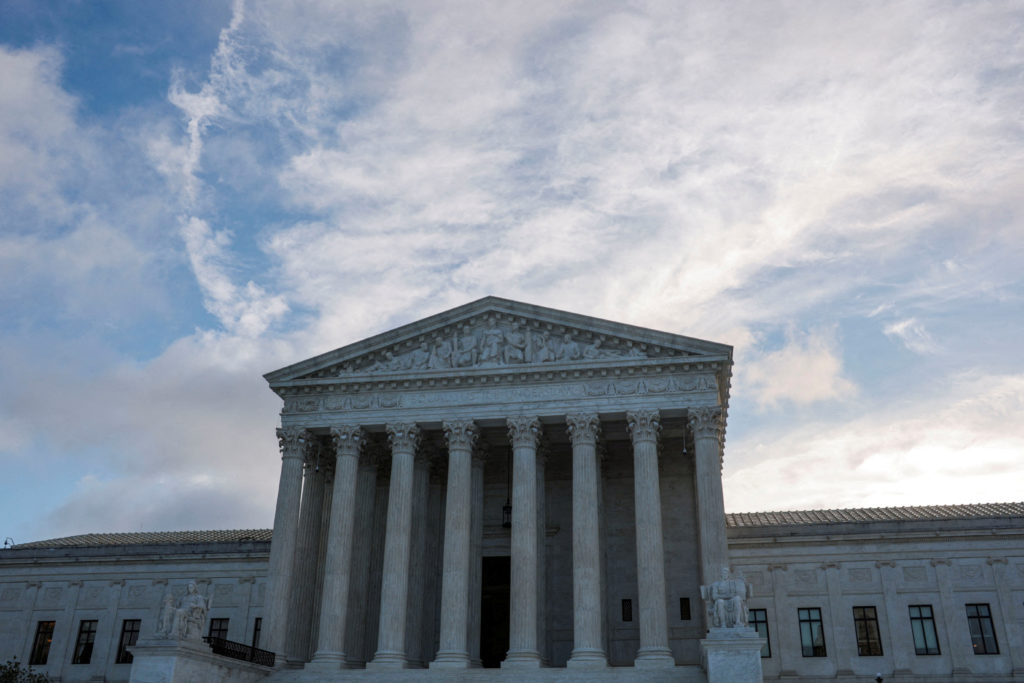
The Supreme Court has agreed to examine whether an immigrant who prepared meals for leaders of a designated terrorist organization is barred from seeking asylum. The case centers on Izuchukwu Ozurumba, a Nigerian national who entered the United States illegally in July 2023 and subsequently surrendered to Border Patrol agents. An immigration judge previously ordered his deportation to Nigeria, but a lower court vacated that order, creating a legal conflict that the high court will now resolve.
The central legal question involves the definition of material support under federal law. The Justice Department, representing the Trump administration, requested Supreme Court review after the Fourth U.S. Circuit Court of Appeals ruled in Ozurumba’s favor. The administration contends that the Fourth Circuit’s decision conflicts with rulings from at least three other federal circuit courts. If the lower court’s interpretation stands, the government argues it would significantly hinder efforts to deport immigrants with any form of association with terrorist groups.
Ozurumba worked at a camp in Lagos, Nigeria, where leaders of the Unknown Gunmen were present. The U.S. government designates this group as a terrorist organization, believing it operates as a separatist movement in southern Nigeria. During his time at the camp, Ozurumba prepared food for these leaders. The Justice Department maintains that providing sustenance to such individuals is a material form of support, comparable to supplying fuel for vehicles used by the organization.
However, Ozurumba’s legal team presents a different account of his involvement. They argue that he did not know the true nature or purpose of the camp until after he had already begun working there. According to his testimony and attorney filings, the group’s leaders forced him to work without compensation. Furthermore, they allege that he faced repeated threats from these individuals after he managed to escape the facility.
The Fourth Circuit panel, which was divided in its decision, concluded that Ozurumba’s activities did not amount to material support for terrorism. The majority opinion characterized him as a captive laborer whose work had no connection to the terrorist activities of the group. This distinction is crucial because asylum laws generally bar individuals who have provided material support to designated terrorist organizations from receiving protection in the United States.
Ozurumba’s attorneys also challenged the premise that a circuit split exists requiring Supreme Court intervention. They argued that no federal court has adopted the broad rule proposed by the government, which would classify any interaction with a terrorist organization as material support regardless of how minor or inconsequential the contact might be. Their position suggests that the lower courts have consistently required a more direct link between the support provided and the terrorist activities.
The case highlights broader tensions in immigration enforcement regarding how to define complicity with designated groups. The administration’s stance emphasizes a strict interpretation where even indirect assistance, such as cooking meals, can disqualify an individual from asylum. Conversely, Ozurumba’s defense relies on the context of coercion and lack of intent, arguing that forced labor should not be penalized under terrorism statutes.
Ozurumba fled Nigeria and traveled to Venezuela before crossing into the United States. His journey reflects a common path for many asylum seekers who face danger in their home countries and transit through other nations before reaching U.S. borders. The outcome of this case will likely influence how immigration judges and federal courts evaluate similar claims involving individuals who had involuntary or minor contacts with designated groups.
The Supreme Court’s decision could set a precedent for future cases involving the material support bar. If the court sides with the administration, it may expand the scope of activities that disqualify immigrants from asylum, potentially affecting thousands of pending cases. If it upholds the Fourth Circuit’s ruling, it would reinforce protections for those who can demonstrate coercion or lack of meaningful involvement in terrorist operations.
Arguments are expected to focus on the statutory language defining material support and the intent behind Congress’s inclusion of such provisions in immigration law. The justices will need to balance national security concerns with humanitarian obligations to protect refugees fleeing persecution. The resolution of this case will provide clarity on how far the government can go in denying asylum based on peripheral associations with designated organizations.
Sources behind this briefing
Go to the original reporting
- PBS NewsHour↗Supreme Court to consider if Nigerian man who cooked for terrorist leaders is ineligible for asylum