The short version
- Utah officials announced that DNA evidence confirms Ted Bundy killed 17-year-old Melissa Ann Smith in 1974.
- The breakthrough relied on matching genetic profiles from Smith’s case to those found in the resolved murder of Laura Aime.
- Bundy’s confirmed victim tally continues to rise decades after his execution, aided by modern forensic technology.
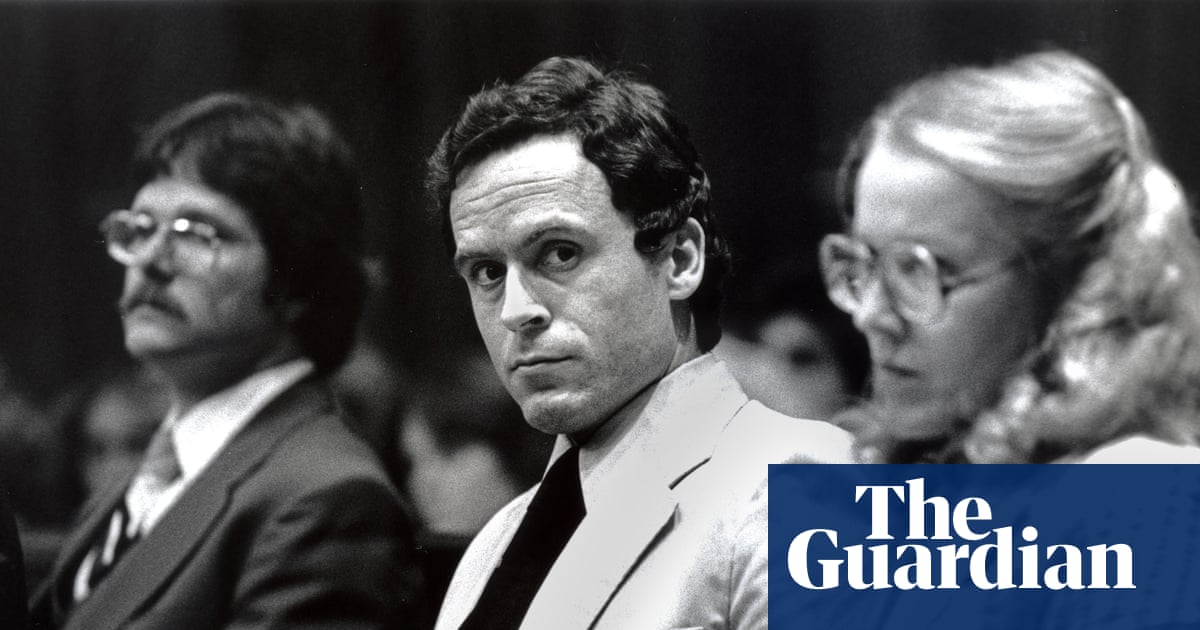
Utah law enforcement officials announced Tuesday that DNA evidence has definitively linked the notorious serial killer Ted Bundy to the 1974 murder of Melissa Ann Smith. The confirmation resolves a long-standing cold case involving the 17-year-old girl, whose nude body was discovered in the woods by a hunter shortly after she went missing. This development marks another addition to the growing list of victims attributed to Bundy, who died in Florida’s electric chair in 1989.
The resolution of Smith’s case hinged on forensic connections made with another Utah homicide that was solved earlier this year. In April, detectives confirmed Bundy’s guilt in the death of Laura Ann Aime, also a 17-year-old victim from 1974. Investigators had previously relied on Bundy’s own confessions to link him to Aime’s murder, but new DNA testing provided the scientific verification needed to close that file. The genetic profile extracted from bodily fluids found on Aime’s body served as the critical bridge to Smith’s case.
Forensic analysis revealed that a Y-STR DNA profile recovered from evidence in the Smith investigation was a genetic match to the profile identified in the Aime case. This similarity allowed authorities to attribute both crimes to Bundy with high confidence. Summit County Attorney Margaret Olson stated that investigators were satisfied with the conclusion, noting that Smith’s death exhibited the specific pattern, motive, means, and opportunity characteristic of Bundy’s known modus operandi.
The timeline of these tragedies spans more than five decades. Smith disappeared in 1974, and her body was found days later. Aime was last seen at a Halloween party that same year before being discovered dead and severely beaten in late November. While Bundy admitted to killing Aime during a series of confessions made shortly before his execution, the lack of physical evidence kept the case officially open until this year. The recent advancements in DNA testing have allowed police to revisit these historical files with new tools.
Salt Lake County Sheriff Rosie Rivera emphasized the significance of preserving physical evidence from decades-old investigations. She noted that the ability to re-examine cases repeatedly is crucial for achieving justice, even when many years have passed since the crimes occurred. The successful application of modern forensic techniques in this instance underscores how cold case units can leverage stored biological samples to identify perpetrators who were never caught at the time of the offense.
Bundy’s criminal spree between 1974 and 1978 resulted in the sexual assault and murder of at least 30 women across the American West and Florida. He was executed for the 1978 murders of two women at a sorority house at Florida State University, but his final days were marked by a series of admissions regarding other crimes. Not all of these confessions have been corroborated by evidence, leading to ongoing efforts by authorities to verify his involvement in additional unsolved disappearances.
Authorities indicated that their work is not limited to Utah and Florida. Investigations are continuing into potential victims in Colorado, Idaho, and Washington state. In Utah specifically, officials mentioned they are actively working to solve the death of 16-year-old Nancy Wilcox, another likely victim from the same era. The confirmation of Smith’s murder adds weight to the broader understanding of Bundy’s geographic reach and the frequency of his attacks during his active years.
Family members of Melissa Ann Smith have been notified of the resolution, though none currently reside in the area where the crime occurred. Utah County Sgt. Mike Reynolds expressed a desire for each case closure to diminish the notoriety of the killer. He stated that the memories of the victims and their loved ones should overshadow the infamy associated with Bundy. The announcement serves as a formal acknowledgment of Smith’s death, providing a level of closure that was unavailable to her family for over fifty years.
The case highlights the evolving nature of criminal investigations in the digital age. While Bundy has been dead for decades, the legal and forensic processes surrounding his crimes remain active. The use of Y-STR profiling, which analyzes markers on the Y chromosome, proved instrumental in linking the two victims. This method is particularly useful when dealing with degraded samples or when trying to establish a familial or direct link between evidence from different crime scenes.
As authorities continue to process the implications of this new evidence, the focus remains on validating other potential links to Bundy’s alleged crimes. The confirmation of Smith’s murder does not conclude the investigation into his full scope of activity but rather provides a concrete data point in a larger puzzle. Law enforcement agencies are likely to apply similar forensic strategies to other cold cases where physical evidence was preserved but never fully analyzed using contemporary technology.
Sources behind this briefing
Go to the original reporting
- The Guardian World↗Serial killer Ted Bundy linked through DNA to 1974 murder of Utah girl
- PBS NewsHour↗Authorities say serial killer Ted Bundy is responsible for the 1974 murder of another Utah teenage girl