The short version
- A Washington grand jury rejected prosecutors' request to indict Cassidy Hutchinson, a former White House staffer who testified against Donald Trump regarding the January 6 Capitol attack.
- Hutchinson had previously alleged that members of Trump's inner circle attempted to influence her testimony with job offers and financial assistance while she cooperated with congressional investigators.
- The outcome reflects ongoing challenges for federal prosecutors seeking accountability for events surrounding the insurrection, following the abandonment of other related cases after Trump's 2024 election victory.
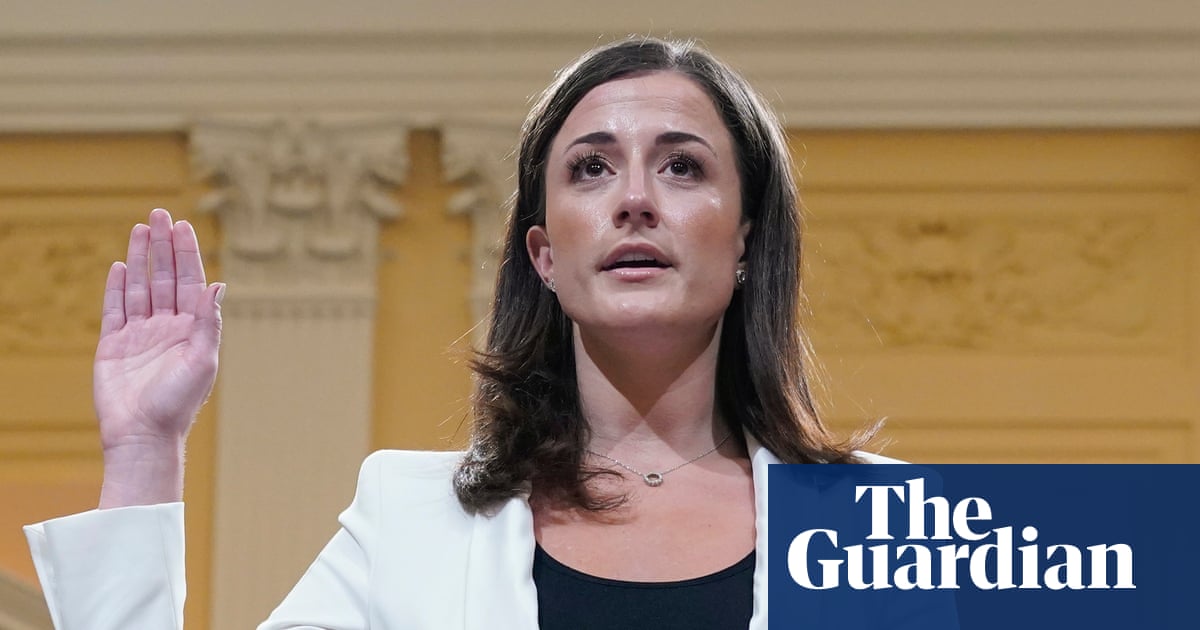
A federal grand jury in Washington has declined to return an indictment against Cassidy Hutchinson, a former White House staffer who provided controversial testimony regarding Donald Trump’s conduct on January 6, 2021. The decision represents a significant hurdle for the Justice Department’s ongoing efforts to hold individuals accountable for their roles during the Capitol insurrection. According to two people familiar with the matter, prosecutors failed to secure charges against Hutchinson, despite her high-profile allegations about the former president’s behavior on that day.
Hutchinson served as a special assistant to Mark Meadows, Trump’s chief of staff at the time, placing her in close proximity to key decision-making moments. Her testimony before a House committee in 2022 was widely viewed as explosive because it contradicted the official narrative maintained by Trump and his allies. She described a president who appeared angry and defiant, attempting to bypass security screenings for armed protesters at a rally and resisting Secret Service efforts to prevent him from traveling to the Capitol as violence erupted.
During her testimony, Hutchinson recounted specific incidents that suggested a lack of presidential intervention during the crisis. She stated that Trump did not act to stop the mob when chants demanding the execution of Vice President Mike Pence grew louder. Additionally, she described an instance where Trump grabbed the steering wheel of the presidential SUV after Secret Service agents refused his request to drive directly to the Capitol building. These details were central to the committee’s investigation into whether Trump incited or failed to quell the attack.
Trump has consistently denied Hutchinson’s account, labeling her a “total phony” and dismissing her testimony as bad news on his social media platform. Republican lawmakers have accused her of lying under oath, arguing that her narrative was fabricated to serve political ends. The Justice Department’s pursuit of charges against her appears to be part of a broader strategy to address perceived adversaries of the Republican president, though details of the specific allegations prosecutors presented to the grand jury remain unclear.
Hutchinson has raised concerns about potential coercion during her cooperation with investigators. She alleged that members of Trump’s inner circle dangled job opportunities and financial assistance in an attempt to influence her testimony. Furthermore, she claimed that her own lawyer, a former ethics counsel in the Trump White House, advised her to remember less rather than more. These assertions add complexity to the legal landscape, suggesting that witnesses may face pressure from multiple sides.
The legal context for this case is shaped by longstanding Justice Department policies and recent political developments. Under Biden’s administration, special counsel Jack Smith charged Trump with felony offenses related to efforts to overturn the 2020 election results. However, Smith abandoned the case following Trump’s victory in the 2024 presidential election, citing policy restrictions against prosecuting sitting presidents. This precedent likely influences current prosecutorial strategies and the scope of potential charges.
Hutchinson’s background includes work in the White House office of legislative affairs and internships for prominent Republicans such as Representative Steve Scalise and Senator Ted Cruz. Her familiarity with Republican leadership may have contributed to the scrutiny she faced after testifying against Trump. The grand jury’s decision not to indict her underscores the difficulties prosecutors face in securing convictions related to January 6, particularly when witnesses are perceived as politically motivated.
As investigations into the Capitol attack continue, the decline to indict Hutchinson highlights the fragmented nature of accountability efforts. While some individuals have faced charges, others remain untouched by legal consequences. The Justice Department’s next steps are uncertain, but this outcome suggests that prosecuting high-profile witnesses who challenge the former president’s narrative will remain a contentious and legally complex endeavor.
The broader implications of this decision extend beyond Hutchinson’s individual case. It reflects the ongoing tension between political accountability and legal feasibility in the wake of January 6. With no immediate indication of further charges against her, the focus may shift to other aspects of the investigation or alternative avenues for addressing alleged misconduct during the insurrection.
Sources behind this briefing
Go to the original reporting
- The Guardian World↗Grand jury declines to indict ex-White House staffer who testified about January 6