The short version
- Michael and Susan Pretti publicly accused federal officials of shielding agents who killed their son, Alex Pretti, in January.
- Video evidence contradicts the administration's initial claim that Pretti was armed and violent, showing he held a phone when shot.
- The Justice Department stated that communicating with families typically occurs only after indictment or other later legal stages.
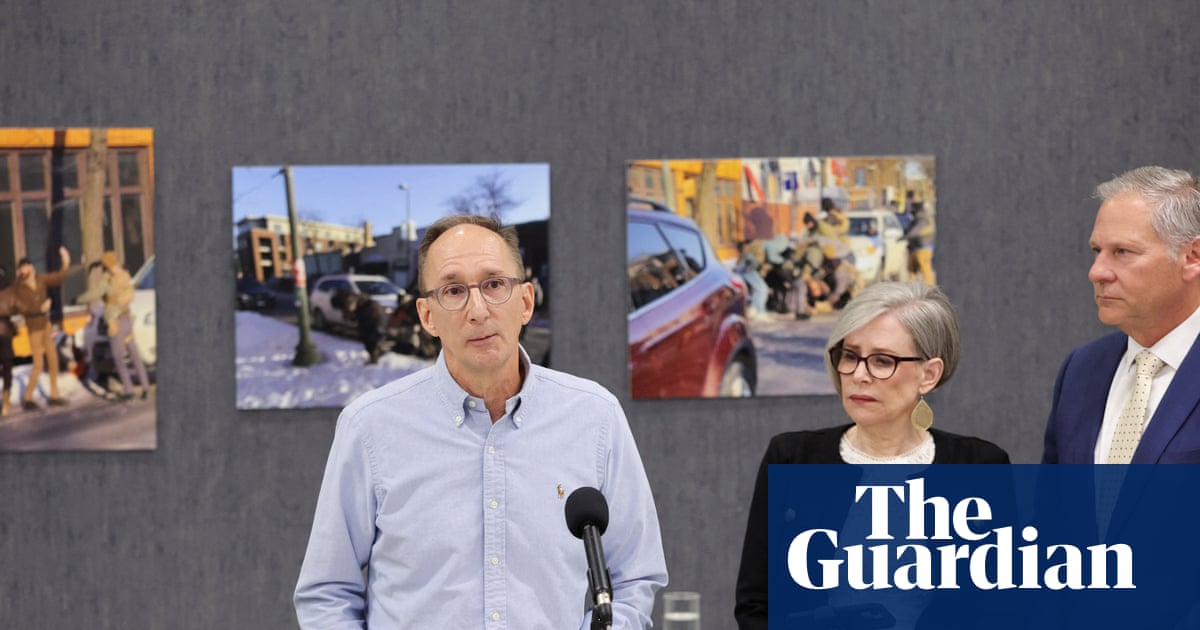
Michael and Susan Pretti have broken their silence regarding the death of their son, Alex Pretti, accusing federal authorities of obstructing justice and protecting the immigration agents responsible for his killing. Speaking at a press conference in Minneapolis on Tuesday, the couple described a year defined by frustration and grief, alleging that government officials have consistently ignored their inquiries and provided misleading information about the case. This marks their first public address since Alex Pretti, a 37-year-old nurse who worked at a veterans hospital, was fatally shot by federal agents in January.
The central dispute revolves around the circumstances of the shooting and the subsequent government narrative. In the immediate aftermath of the incident, the Trump administration characterized Pretti as a domestic terrorist who posed a threat to law enforcement. Officials claimed he was armed and had violently resisted agents during immigration operations in Minnesota. However, video footage released later presented a starkly different account. The recording showed Pretti holding a cellphone rather than a weapon and indicated that he did not attack the agents before being shot in the back while lying on the street.
Despite the visual evidence contradicting the initial official statements, the Pretti family says they have faced significant barriers in seeking answers. Michael Pretti stated that at every turn, federal entities have shielded those involved in his son’s death. He emphasized that their family values American institutions and believes in the rule of law, but feels that accountability has been denied. Susan Pretti echoed these sentiments, describing the government’s attempt to slander her son’s memory as shameful and wrong. She noted that the lack of transparency has made daily life difficult for the family, who are struggling to function while waiting for resolution.
The investigation has been further complicated by jurisdictional disputes between state and federal authorities. Minnesota officials recently reported that the federal government ceased sharing information with state investigators who were examining the deaths of both Alex Pretti and Renee Good. Good, also 37, was fatally shot by an Immigration and Customs Enforcement officer in January while attempting to drive away during a protest. The Trump administration has argued that state entities lack the jurisdiction to investigate federal officers, creating a stalemate that has left families without clear updates on the progress of any inquiries.
Efforts by the Pretti family to engage with federal prosecutors have reportedly yielded little results. Dan Rosen, the top federal prosecutor in Minnesota, agreed to meet with the couple only after months of outreach, but he declined to provide basic details regarding the status of the investigation. The family expressed disappointment that even high-level officials like US Attorney General Todd Blanche and Rosen have stonewalled their requests for information. They maintain that they are not seeking political leverage but rather basic accountability and a thorough examination of the events that led to Alex Pretti’s death.
In response to the allegations, the Department of Justice issued a statement clarifying its standard procedures regarding family communication. The department noted that interactions with relatives of subjects or victims typically occur at later stages of a case, such as during indictment, initial appearance, plea negotiations, trial, or sentencing. According to this guidance, such communications do not usually take place while an investigation is still active. This policy explanation has done little to assuage the Pretti family’s concerns, who view the silence as part of a broader pattern of evasion.
Alex Pretti had no criminal record and possessed a valid license to carry a handgun, which was holstered at the time of the incident. Agents removed the weapon before opening fire, a detail that has fueled questions about the necessity and proportionality of the force used. The discrepancy between the administration’s initial portrayal of Pretti as an armed aggressor and the video evidence showing him unarmed and passive remains a focal point for critics of the government’s handling of the case. The family insists that the truth must be established through proper legal channels rather than political spin.
As the anniversary of the shooting approaches, the Pretti family continues to call for the Department of Justice and federal prosecutors to fulfill their duties. They argue that the lack of meaningful information has prolonged their suffering and undermined public trust in the justice system. The case highlights broader tensions surrounding federal immigration enforcement actions and the accountability mechanisms available when such operations result in civilian deaths. With state investigators sidelined and federal channels closed, the path forward for obtaining answers remains uncertain.
The situation underscores the challenges families face when seeking transparency in high-profile cases involving federal agents. While the government cites procedural norms to justify its limited communication, critics argue that these practices can obscure accountability and leave victims’ relatives in the dark. The Pretti family’s public appeal serves as a reminder of the human cost behind legal disputes and the importance of clear, honest engagement between authorities and those affected by their actions. The outcome of this case may set precedents for how similar incidents are handled in the future.
No new developments have been announced regarding potential charges or formal findings from the investigation. The Department of Justice has not commented on the specific merits of the Pretti family’s claims beyond reiterating its general policy on family communications. Meanwhile, Minnesota officials continue to monitor the situation, though their ability to act is constrained by the federal government’s refusal to share data. The community awaits further updates as legal processes unfold, with many hoping that the truth will eventually emerge through due process.
Sources behind this briefing
Go to the original reporting
- The Guardian World↗‘Shameful’: Alex Pretti parents accuse Trump officials of shielding son’s killers