The short version
- Approximately 12,000 fragments of medieval stained glass from Coventry Cathedral have been digitized and made publicly accessible for the first time in decades.
- The collection, attributed to master glazier John Thornton, survived the 1940 Nazi bombing by being dismantled and hidden in crates until 1957.
- This digital cataloging supports broader preservation goals and allows scholars to study intricate details of high-end medieval art that were previously difficult to access.
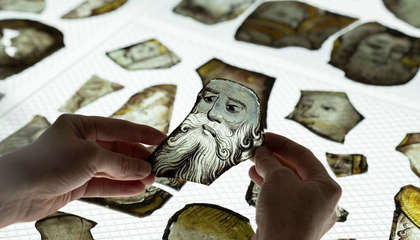
A significant cultural heritage project has concluded its initial phase by digitizing roughly 12,000 fragments of medieval stained glass from Coventry Cathedral. These pieces, which constitute Britain’s largest collection of loose medieval glass, are now available for public viewing through a digital exhibition on the Bloomberg Connects app. The initiative represents a crucial step in making this historically significant trove accessible to researchers and the general public after decades of limited visibility.
The glass survived one of the most destructive events of World War II. On November 14, 1940, German bombers obliterated the cathedral structure, making it the only British cathedral destroyed during the Blitz. To protect the windows from anticipated air raids, conservators dismantled them and stored the pieces in thirty wooden crates within the cellars of a nearby village rectory. The fragments remained in this hidden state until 1957, long after the war ended.
Although the red sandstone cathedral was eventually rebuilt, with its charred shell preserved as a memorial to peace, the stained glass windows were never reassembled into their original forms. Instead, the collection has existed as what heritage experts describe as a complex medieval jigsaw puzzle. For more than a decade following an initial documentation effort in 2012, the pieces were divided across three separate storage rooms, complicating study and conservation efforts.
The newly completed cataloging process involved transferring the fragile items into bespoke cabinets and capturing high-resolution photographs to build a comprehensive digital database. This work was led by Laura Atkinson, a stained-glass conservator, in collaboration with the World Monuments Fund and cathedral curators. The project aims to secure the academic attention the collection merits, as it had previously received little scholarly study despite its international importance.
The fragments date largely to the 15th century and are attributed to John Thornton, a master glazier renowned for creating the Great East Window at York Minster. Reverend Canon Nitano Muller of the cathedral has noted that the quality of this glass is comparable to that found in Westminster Abbey or Canterbury Cathedral. The collection includes exquisitely executed examples of medieval painting, depicting scenes from the Passion of Christ, figures of Apostles and saints, as well as fanciful beasts and heraldic shields.
Particularly distinctive within the collection are donor portraits showing ordinary lay men and women who funded the construction kneeling in prayer. These images provide a rare glimpse into the patrons of medieval religious art. The technical prowess required to produce such intricate depictions was remarkable. Conservators note that creating details like jeweled robes involved carefully scratching away the glass surface to insert colored pieces, a process with a high failure rate and significant cost.
The history of these windows extends beyond the 20th century. They endured centuries of turmoil, including partial destruction during the 16th-century Reformation. Surviving fragments from that era were later pieced together into patchwork arrangements to adorn the apse and clerestory before their eventual dismantling for war protection. The digital preview marks an early step in the cathedral’s broader Building Hope project, which seeks to preserve the ruins and artifacts for future generations.
The bombing of Coventry had a profound impact on language and propaganda. Nazi propagandists coined the term 'coventrieren' to describe the complete destruction of a city. Today, the surviving glass and the preserved ruins together tell a story of resilience. Emma Sweeney, projects manager at WMF Britain, emphasized that much remains to be uncovered about this remarkable survivor, highlighting the ongoing nature of historical discovery through modern technology.
Sources behind this briefing
Go to the original reporting
- Smithsonian Magazine↗Dismantled to Survive the Nazi Blitz, Coventry Cathedral's Stained Glass Is 'a Medieval Jigsaw Puzzle.' Its 12,000 Fragments Are Now Digitized for Public View