The short version
- Attorneys for Lindsay Clancy are urging a Massachusetts judge to declare her not guilty and block any potential retrial following a mistrial in her murder case.
- The defense argues that the single juror who prevented a unanimous verdict was refusing to apply legal standards, making the mistrial declaration unnecessary and unconstitutional.
- Prosecutors have remained silent on their intentions, leaving open the possibility of a retrial on first-degree murder charges or a plea agreement involving lesser counts.
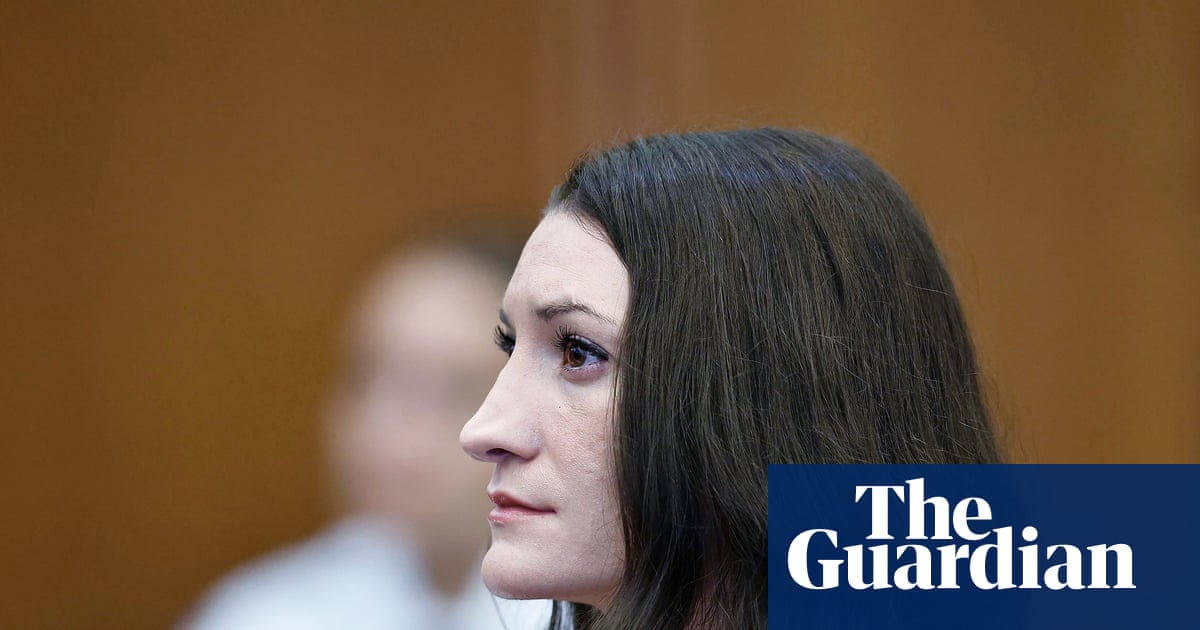
Lindsay Clancy appeared before a judge in Plymouth, Massachusetts, on Tuesday as her legal team moved to prevent a second trial for the deaths of her three children. The hearing followed a mistrial declaration on September 4, which occurred when one juror refused to join the other eleven in reaching a unanimous verdict. Defense attorneys are now asking Judge William Sullivan to rule that Clancy is not guilty and to bar any further prosecution, arguing that the initial mistrial was improperly declared and that a retrial would violate her right against double jeopardy.
The case centers on events from January 2023 in Duxbury, a Boston suburb. It is undisputed that Clancy strangled her children—Cora, age five; Dawson, three; and Callan, eight months old—with exercise bands in their home’s basement. Following the killings, Clancy attempted suicide by cutting herself with a knife and jumping from a second-story window, an act that left her paralyzed. The central legal question during the first trial was not whether she committed the acts, but whether she possessed criminal responsibility at the time.
During the initial proceedings, defense lawyer Kevin Reddington argued that Clancy suffered from postpartum psychosis and did not understand the wrongfulness of her actions. This defense relies on the concept of lack of criminal responsibility, which is how Massachusetts defines insanity. While jurors heard evidence of her mental state, they could not reach a consensus. Eleven jurors reportedly indicated they were prepared to find her not guilty by reason of insanity, but one holdout prevented that outcome, leading Judge Sullivan to declare a mistrial.
Clancy’s legal team contends that the mistrial was unnecessary because the holdout juror was simply adhering strictly to the burden of proof. Reddington told the court that there was a total lack of evidence proving Clancy knew her actions were wrong. He argued that jurors had communicated through notes that the dissenting member was refusing to apply the judge’s instructions regarding reasonable doubt. The defense maintains that this juror should have been dismissed rather than allowing the case to end in a mistrial, which opens the door for retrial.
The attorneys have filed motions seeking access to confidential jury records and questioning the holdout about his conduct during selection and trial. They argue that the public narrative has unfairly demonized Clancy, with calls for her execution coming from various political figures, including President Trump. Reddington suggested that non-lawyers struggle to reconcile an admission of culpability with a claim of mental incapacity, leading to intense public pressure that may have influenced the jury dynamics.
The holdout juror, identified as Michael Desronvil, has defended his position through his attorney, Edward Paltzik. In a recent interview, Paltzik stated that Desronvil had zero doubt about the case and rigidly applied the standard of reasonable doubt. This perspective highlights the fundamental disagreement between the defense’s view of the juror’s obstructionism and the prosecution’s reliance on strict evidentiary standards. The judge has scheduled a hearing for November 2 to address these motions and other pending issues.
The Plymouth County District Attorney’s office, led by Timothy Cruz, has not publicly stated whether it intends to retry Clancy. First-degree murder charges carry a life sentence, but prosecutors have several options available. They could pursue a plea deal or retry her on lesser second-degree murder charges. A second-degree charge would allow Clancy to waive a jury trial and proceed before a judge alone, potentially altering the dynamic of the proceedings significantly.
If Clancy were found not guilty by reason of insanity in a future proceeding, she would be committed to a state psychiatric hospital for evaluation. Her release would then be subject to regular court reviews. However, the current legal battle focuses on whether a second trial can proceed at all. The outcome of the November hearing will determine whether Clancy faces further criminal prosecution or if the case concludes with a not-guilty verdict based on procedural grounds.
This situation underscores the complexities of applying mental health defenses in high-profile cases involving child fatalities. The tension between public outrage and legal standards for insanity remains palpable. As the court considers the defense’s double jeopardy claims, the focus shifts from the tragic events of 2023 to the procedural integrity of the trial process itself. The decision will have significant implications for how similar cases are handled in Massachusetts courts.
The silence from the prosecution adds uncertainty to the timeline. Without a clear statement from District Attorney Cruz, it remains unclear whether the state will attempt to retry Clancy on reduced charges or seek a negotiated resolution. The defense’s strategy relies heavily on the argument that the mistrial was a judicial error rather than a necessary response to jury deadlock. If Judge Sullivan agrees, Clancy would avoid further criminal proceedings entirely.
Sources behind this briefing
Go to the original reporting
- The Guardian US↗Lindsay Clancy returns to court after Massachusetts murder case mistrial