The short version
- Consumer confidence fell to its lowest level since April 2014, driven by persistent inflation and geopolitical instability.
- The Federal Reserve has raised interest rates to combat rising costs, potentially increasing borrowing expenses for consumers.
- Labor market data shows job growth but wage increases remain weak, failing to keep pace with the cost of living.
American households have expressed their lowest level of economic confidence in more than ten years, according to new data released by The Conference Board. The consumer confidence index dropped significantly in September, falling 6.7 points to reach 81.9. This figure represents a steep decline from the previous month's reading of 88.6 and marks the weakest performance since April 2014. Notably, this level is even lower than the nadir recorded during the height of the pandemic, signaling a deepening sense of unease among the public regarding their financial prospects.
The deterioration in sentiment reflects broad dissatisfaction with current economic conditions. Respondents reported a sharp decline in their assessment of present circumstances, with that specific metric falling 7.9 points to 109.3. Similarly, short-term outlooks dimmed considerably, sliding 5.9 points to 63.6. Dana Peterson, the chief economist at The Conference Board, noted that views on current business conditions turned negative for the first time since late 2024. Written comments from survey participants frequently cited the high cost of gasoline, goods, and services as primary sources of frustration.
Inflation remains a central concern for consumers after five years of elevated price growth. Recent government data indicates that consumer prices rose 3.4% in August compared to the previous year, matching the rate seen in July. However, the month-over-month increase accelerated to 0.4%, quadrupling the prior month's gain. This acceleration suggests that price pressures are intensifying rather than easing. The personal consumption expenditures price index, a preferred gauge for the Federal Reserve, also showed an upward trend, rising to 3.7% in June from a year earlier, up from 2.8% before recent geopolitical conflicts began.
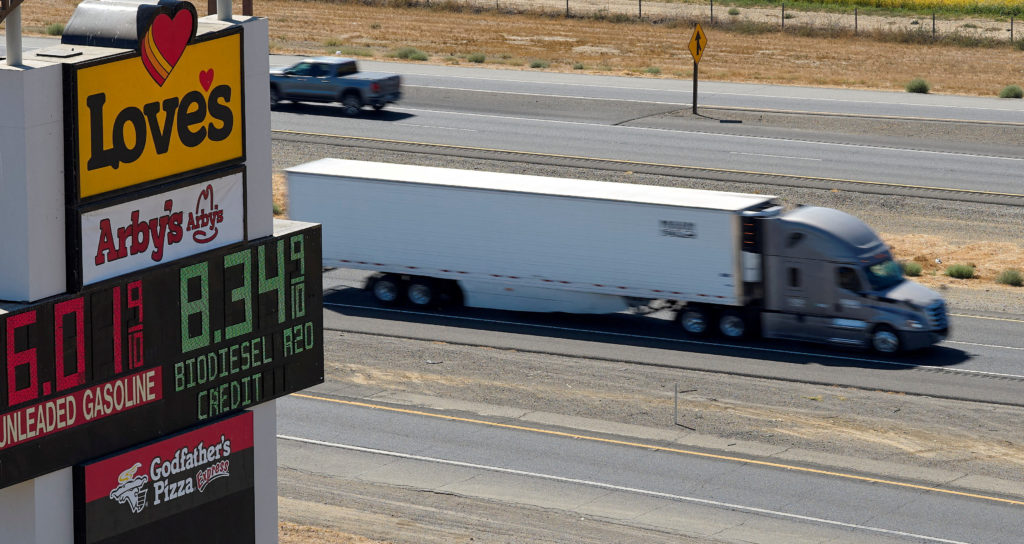
Geopolitical tensions have exacerbated economic anxieties. Ongoing military conflict involving Iran has contributed to spikes in energy costs, with gasoline prices averaging $4.46 per gallon for regular fuel. These higher energy costs are rippling through other sectors, leading to increased prices for appliances, car repairs, and wireless phone services. The combination of global instability and domestic price hikes has created a challenging environment for households trying to manage their budgets.
The Federal Reserve responded to these inflationary pressures by raising its benchmark interest rate for the first time since 2023. This quarter-point increase brought the key rate to approximately 3.9%. The central bank signaled that further rate hikes could occur later in the year if necessary to quell stubbornly high inflation. While higher rates aim to cool demand and lower prices, they also mean increased borrowing costs for mortgages, auto loans, and credit cards, which may further strain household finances.
Despite the gloomy confidence numbers, the labor market has shown some resilience. Employers added a surprising 162,000 jobs in August, ending a period of lackluster hiring during the summer months. The unemployment rate held steady at a low 4.1%. However, this stability is partly attributed to significant numbers of individuals giving up their job searches in previous months. While respondents generally expect household incomes to rise, the anticipated growth is less robust than in prior months, reflecting cautious optimism tempered by economic realities.
Wage growth has failed to keep pace with rising living costs. Average hourly wages increased by only 3.1% last month compared to a year earlier, marking the weakest annual increase since May 2021. This meager pay raise makes the impact of inflation more painful for many workers who are seeing their purchasing power erode. The disconnect between stagnant wages and accelerating prices is a key driver behind the pessimism reflected in consumer surveys.
The timing of this economic downturn poses potential risks for political leaders. With midterm elections approaching in less than a month, the administration faces scrutiny over its handling of the economy. President Trump has continued to attribute high prices to his predecessor, Joe Biden, even though inflation has risen since his inauguration last year. As voters weigh their options, the tangible effects of high costs and uncertain economic prospects may influence electoral outcomes.
Looking ahead, additional data will provide further clarity on the economic trajectory. The government is scheduled to release August personal consumption expenditures data and the September jobs report in the coming days. These figures will help determine whether inflation is truly cooling or if the recent acceleration signals a more entrenched problem. For now, consumers remain flustered by the economy, with little immediate relief in sight as policy makers navigate complex global and domestic challenges.
The convergence of geopolitical conflict, persistent inflation, and monetary tightening has created a precarious economic landscape. While job numbers offer some comfort, the quality of that employment and the real wage growth available to workers are under pressure. The drop in consumer confidence serves as a stark warning that household financial stress is reaching levels not seen in over a decade, with significant implications for both individual well-being and broader economic stability.
Sources behind this briefing
Go to the original reporting
- PBS NewsHour↗Americans' opinion of economy drops to lowest level since 2014