The short version
- Jordan Bardella denies authorship of antisemitic comments published by Mediapart, claiming they are part of a coordinated effort to destabilize the upcoming presidential campaign.
- Political opponents and Jewish community leaders argue the allegations expose the National Rally’s failure to fully shed its historical association with hate speech and conspiracy theories.
- Marine Le Pen maintains her support for Bardella, but the controversy threatens to undermine the party’s strategy of appealing to moderate voters ahead of the 2027 election.
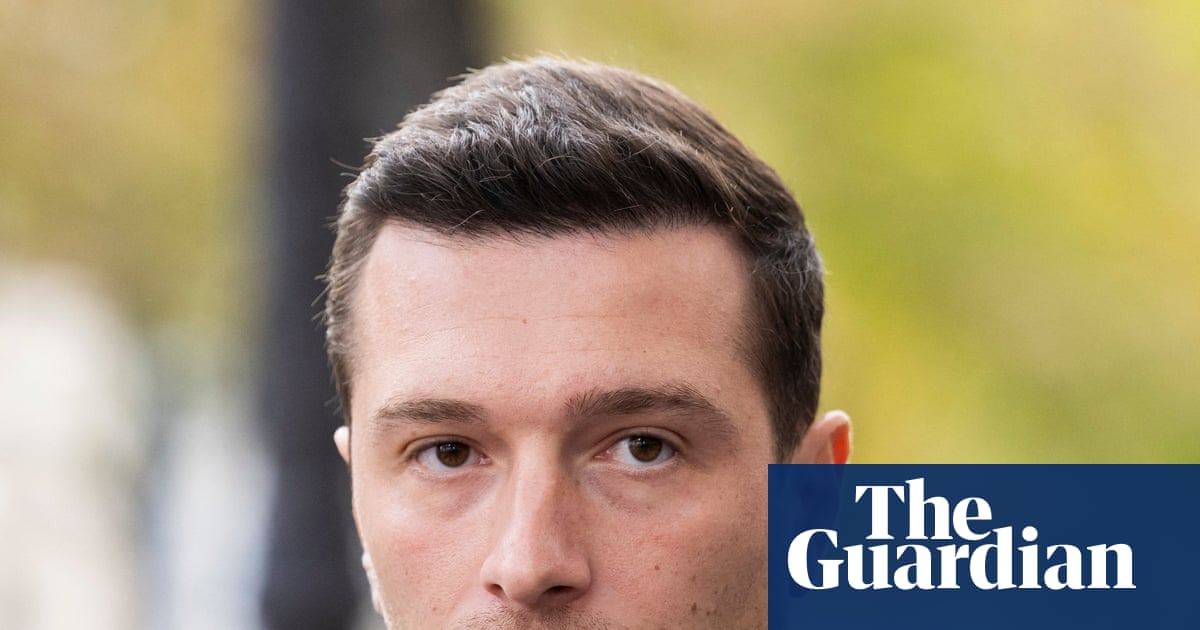
Jordan Bardella, the leader of France’s National Rally, has rejected allegations that he authored antisemitic messages during his adolescence, characterizing the accusations as a malicious campaign designed to derail his party’s presidential ambitions. The controversy erupted after the investigative outlet Mediapart published documents it claims were written by Bardella between 2013 and 2015, when he was seventeen or eighteen years old and a member of the organization then known as the Front National.
According to the report, the messages contained severe antisemitic tropes, including assertions that Jewish people seek to dominate other populations and claims that all banks are owned by Jews. Bardella dismissed these findings as false, accusing the media outlet of attempting to destroy his political career through defamation. He announced plans to pursue legal action against the publication while rallying support from party lawmakers who stood in applause during his address in parliament.
The timing of the revelations poses a significant challenge for Marine Le Pen, whose presidential bid is currently leading in opinion polls ahead of the 2027 election. Since assuming leadership of the party in 2011, Le Pen has pursued a strategy of moderating the National Rally’s image to broaden its electoral appeal. This effort includes distancing the organization from its founder, Jean-Marie Le Pen, who was expelled in 2015 after making remarks that minimized the Holocaust and repeated hate speech for which he had been convicted numerous times.
Critics argue that the alleged comments contradict the party’s recent attempts to present itself as a defender of Jewish citizens. Bardella had previously sought to bolster this image by visiting Israel in 2025, becoming the first French far-right leader to do so. He also publicly stated in 2023 that he did not view his predecessor as antisemitic, a position he later retracted following public backlash. The new allegations have prompted sharp rebukes from political rivals and civil society groups.
Government officials have responded swiftly to the controversy. Foreign Minister Jean-Noël Barrot emphasized on social media that antisemitism is not an isolated incident within the National Rally but rather a central element of its history. Aurore Bergé, the minister responsible for equality and anti-discrimination efforts, described the content of the alleged messages as reflective of conspiracy theories that reveal the true nature of the far right. These statements underscore the political risk Le Pen faces in maintaining her current trajectory.
Jewish community organizations have expressed deep concern over the implications of the report. Yonathan Arfi, representing the umbrella group for French Jewish associations, stated that the virulence of the alleged comments undermines the party’s claims of having transformed its identity. He questioned how a leader who supposedly made such remarks could hold a high position in an organization that now claims to combat hatred against Jews. The reaction highlights the skepticism many voters and community leaders still harbor regarding the National Rally’s rebranding efforts.
Opposition politicians have called for Bardella’s resignation from all his elected offices. Marine Tondelier, leader of the Green party, argued that Bardella’s current stance as a defender of Jewish rights is inconsistent with the alleged past behavior. Socialist candidate Raphaël Glucksmann noted that no amount of public relations work can erase the party’s origins in antisemitic and racist ideologies. These calls reflect a broader political consensus among rivals that the National Rally has not sufficiently atoned for its historical legacy.
The National Rally was founded in 1972 by Jean-Marie Le Pen, whose early membership included individuals with ties to Nazi collaborationist regimes during World War II. Some early party officials had served in Waffen SS units or supported the Vichy government, which facilitated the deportation of thousands of French Jews to concentration camps. This historical context remains a potent political liability, as opponents frequently cite it to challenge the party’s claims of moderation and mainstream acceptance.
As the legal and political fallout continues, the National Rally faces a critical test of its resilience. Le Pen has expressed absolute confidence in Bardella, signaling that the party will not yield to pressure from opponents or media investigations. However, the controversy threatens to reignite debates about the extent to which the far right has genuinely evolved. The coming months will likely see intensified scrutiny of the party’s internal culture and its ability to maintain voter trust amid persistent allegations of hidden extremism.
The situation illustrates the delicate balance Le Pen must strike between appealing to traditional far-right supporters and winning over moderate voters who are wary of the party’s past. While Bardella denies the allegations, the mere existence of the documents has provided ammunition for critics who argue that the National Rally’s transformation is superficial. The outcome of this crisis could significantly influence the dynamics of the 2027 presidential race and the broader political landscape in France.
Sources behind this briefing
Go to the original reporting
- The Guardian US↗National Rally’s Jordan Bardella rails at ‘war’ on party after antisemitism claims