The short version
- Draft laws propose mandatory tools for users over sixteen to switch off algorithm-driven content feeds.
- Platforms face penalties exceeding one hundred million Australian dollars for failing to comply with new regulations.
- The legislation expands digital duty of care obligations to protect minors from specific online harms including misogyny and eating disorder promotion.
Australia is advancing draft legislation that would compel social media companies to provide users with the ability to disable algorithmic content curation. The proposed measures, part of a broader framework aimed at enhancing online safety, seek to shift control from platform operators to individual account holders. Under the plan, individuals aged sixteen and older would be equipped with tools to turn off the automated systems that currently determine what appears in their news feeds. This regulatory move represents a significant intervention into the operational mechanics of major digital platforms.
The initiative, referred to as 'my feed, my way,' envisions a user experience where opting out of algorithms results in a feed populated solely by content from accounts and groups the user has explicitly chosen to follow. Platforms would be required to present users with a pop-up message asking them to select their preferred default feed configuration. The goal is to reduce exposure to divisive or dangerous material that algorithmic amplification often promotes, giving individuals direct agency over their digital consumption habits.
Compliance with these new rules will carry substantial financial consequences for non-adherence. Social media operators facing failure to implement the required opt-out mechanisms could be subject to fines exceeding one hundred million Australian dollars. This penalty structure underscores the government’s intent to enforce strict adherence to the new standards. The legislation positions Australia as a leader in regulating digital platforms, building upon previous measures that established minimum age requirements for social media use.
Beyond algorithmic transparency, the draft laws introduce expanded digital duty of care obligations specifically targeting the protection of minors. Services including online games, applications, and artificial intelligence chatbots will be required to shield users under eighteen from a defined list of harmful content categories. These include pornography, material that promotes or accelerates eating disorders, misogynistic content, and media that glorifies criminal activity or life-endangering stunts. The regulations also aim to mitigate serious mental health distress caused by online abuse and bullying.
Enforcement authority will rest with the eSafety commissioner, who will gain the power to issue removal notices to social media companies. Platform operators will be mandated to document the specific measures they take to address these identified online harms. This requirement creates a paper trail for regulatory oversight, ensuring that companies can demonstrate active efforts to mitigate risks rather than relying solely on reactive content moderation. The framework seeks to institutionalize proactive safety protocols within the business models of tech firms.
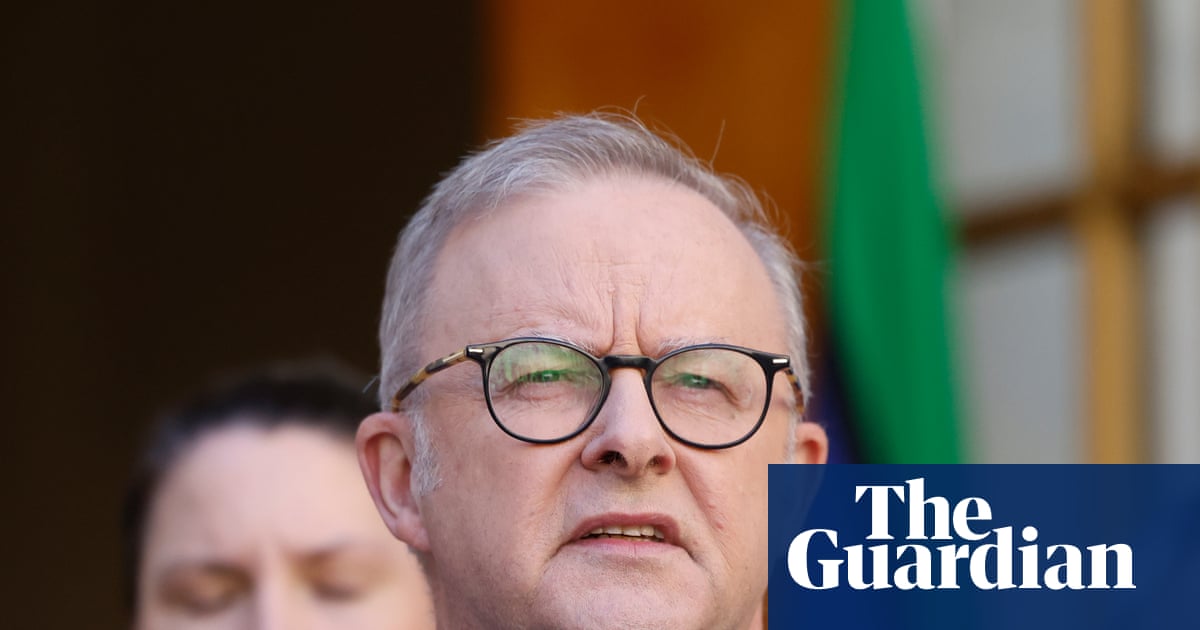
Prime Minister Anthony Albanese is expected to highlight these plans during the United Nations general assembly in New York later this month. He has framed the legislation not as an expansion of government control, but as a transfer of power from large technology corporations to ordinary citizens. Albanese has dismissed concerns regarding potential retaliation from big tech platforms, many of whose owners maintain close relationships with US President Donald Trump. He argued that changing the power dynamic is necessary and correct, despite anticipated pushback.
The political path to passing these laws remains complex. The Labor government requires support from the Greens to advance the legislation through parliament. Main opposition parties, including the Liberals and Nationals, have signaled their resistance, warning against what they characterize as efforts to censor the internet. Communications Minister Anika Wells stated that tech companies had long been permitted to conduct unregulated product testing on Australian users in real time. She described a global reckoning for big tech that began with Australia’s earlier social media age laws.
International attention is focused on Australia’s regulatory experiments, with countries such as France, Britain, and New Zealand following similar paths regarding social media bans for children. However, expert research indicates that the systems implemented in Australia in December have only been partially effective. This mixed record adds a layer of uncertainty to the current proposals, suggesting that while the intent is clear, the practical efficacy of algorithmic opt-outs and content restrictions may face challenges in execution. The coming months will test whether these regulatory tools can achieve their stated safety goals without unintended consequences.
Sources behind this briefing
Go to the original reporting
- The Guardian World↗Australia to force social media platforms to allow users to opt out of algorithms