The short version
- The Victorian Auditor-General found that a hidden 1% annual fare increase was implemented in January 2025 to fund the Suburban Rail Loop without public disclosure.
- The report indicates significant delays and a high probability that the first stage of the project will exceed its estimated budget of $34.5 billion.
- Critics argue the funding model lacks transparency, with uncertain revenue streams and undisclosed costs affecting taxpayer trust in major infrastructure initiatives.
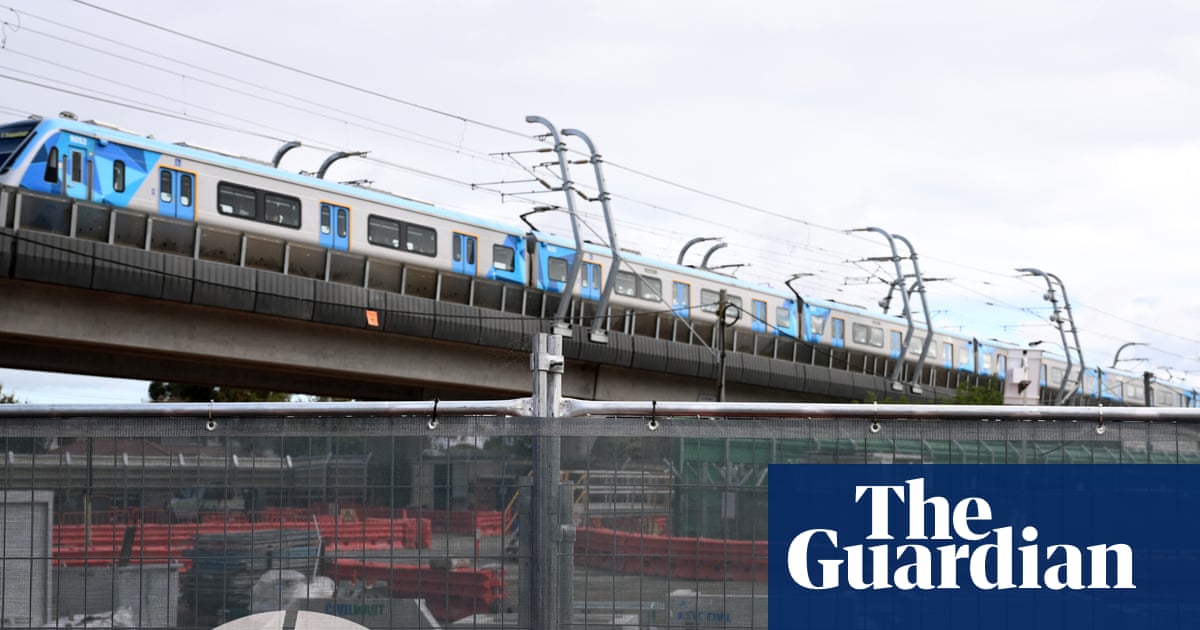
A recent audit by the Victorian Auditor-General has exposed a lack of transparency in how the state government is financing its ambitious Suburban Rail Loop project. The report, presented to parliament recently, reveals that officials implemented a covert levy on public transport fares across metropolitan Melbourne and regional Victoria starting in January 2025. This surcharge was designed to generate revenue for the controversial infrastructure initiative without explicit acknowledgment in public communications regarding fare adjustments.
The hidden mechanism involves a one percent annual increase applied to all public transport tickets, layered on top of existing inflation-linked adjustments. According to the audit, this levy is projected to yield approximately $4.8 billion in net present value terms through 2062. The government intends to allocate sixty percent of these funds specifically toward SRL East, the first phase of the broader rail network. This source alone represents the largest component of the project’s value capture revenue strategy.
Despite the significance of this funding stream, Transport Victoria and state officials did not disclose the levy when announcing fare increases for 2025 and 2026. As of mid-2026, the government had still not publicly acknowledged the existence of the surcharge. The Auditor-General criticized this omission, noting that the overall funding plan for SRL East relies on a mix of federal and state contributions alongside various value capture methods, many of which remain uncertain or opaque to the public.
The Suburban Rail Loop was originally envisioned as a comprehensive network connecting key suburbs via Melbourne Airport. The initial stage, known as SRL East, covers a twenty-six-kilometer stretch between Cheltenham and Box Hill. Premier Ben Carroll recently reaffirmed commitments to this phase, citing cost estimates from 2021 that placed the price tag between $30 billion and $34.5 billion. However, the audit suggests these figures may no longer reflect reality given emerging challenges.
Financial projections indicate a high likelihood that SRL East will exceed its publicly disclosed budget ceiling. The Auditor-General stated that based on current evidence, it is more probable than not that costs will surpass the $34.5 billion limit. This assessment comes amid reports of significant delays in early construction works, with some activities pushed back by up to six months. Additionally, critical contracts for station development have yet to be awarded, further jeopardizing the timeline.
The original completion date for SRL East was set for 2035, but current setbacks threaten this target. The audit highlights that uncertainty surrounds not only the cost but also the feasibility of delivering the project on schedule. With station contracts still pending and early works delayed, the momentum behind the initiative appears to be slowing. These operational hurdles compound concerns about financial sustainability and governance.
Beyond the immediate issues with SRL East, the broader Suburban Rail Loop faces scrutiny regarding its long-term viability. The second stage, SRL North, is planned to connect Box Hill to Melbourne Airport, while the final western leg would extend from Sunshine to Werribee. A 2024 analysis by the Parliamentary Budget Office provided estimates for building and operating these stages over fifty years, underscoring the massive scale of the undertaking. Yet, without clear funding transparency, public confidence remains fragile.
The revelation of the secret fare levy has sparked debate about accountability in major infrastructure projects. Critics argue that taxpayers deserve full visibility into how their money is being used, particularly when costs are rising and timelines slipping. The Auditor-General’s findings serve as a stark reminder of the risks associated with complex funding models that rely on undisclosed mechanisms. Moving forward, the government faces pressure to clarify its financial strategies and address growing skepticism.
As the state grapples with these revelations, the focus shifts to how officials will respond to the audit’s recommendations. Restoring trust may require greater openness about future fare adjustments and a more rigorous approach to cost management. The Suburban Rail Loop remains a defining element of Melbourne’s urban development agenda, but its success hinges on resolving current disputes over transparency and fiscal responsibility. Stakeholders await further details on how these issues will be addressed in the coming months.
In summary, the Auditor-General’s report underscores critical flaws in the governance of one of Australia’s most expensive infrastructure projects. The combination of hidden levies, budget overruns, and scheduling delays paints a concerning picture for policymakers and residents alike. While the vision of an integrated rail network persists, the path forward is fraught with uncertainty. Only time will tell whether corrective measures can salvage the project’s credibility and deliver on its promised benefits.
Sources behind this briefing
Go to the original reporting
- The Guardian World↗Suburban Rail Loop: Victorian government secretly increased public transport fares to help pay for controversial SRL