The short version
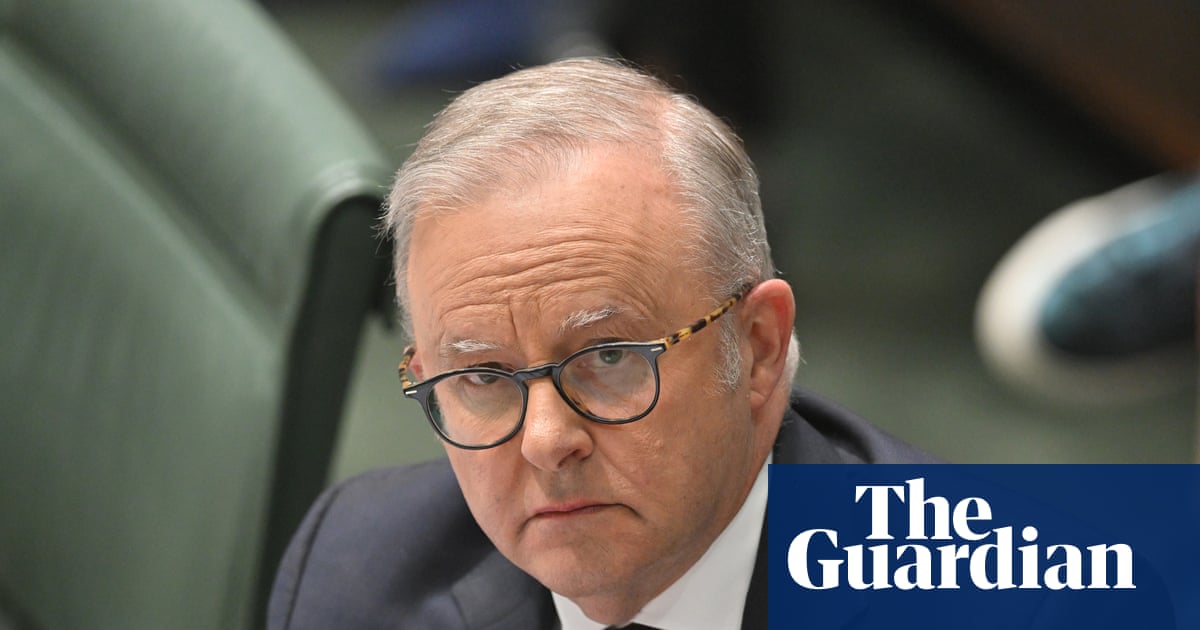
- Prime Minister Anthony Albanese has committed to a swift government response regarding the safety of MPs and their staff, citing an unacceptable level of threats endured for too long.
- Potential measures under review include the distribution of panic buttons for electorate offices, improved security infrastructure, and expedited reviews of commonwealth workplace safety protocols.
- Senator Fatima Payman has publicly criticized the government for failing to provide adequate staffing support, alleging that her office faces severe burnout risks and has received hazardous mail.
Prime Minister Anthony Albanese has pledged a rapid governmental response to address the growing safety concerns facing members of parliament and their staff. Speaking to the Labor party room shortly after an alleged attack on a representative from Indi, Albanese declared that the current week must mark a turning point in how civil discourse is maintained and how threats are managed. He acknowledged that politicians have tolerated a hostile environment for far too long and emphasized that more investment in security is both necessary and achievable.
The prime minister did not outline specific legislative changes during his address but confirmed that several options are under active consideration. Among these is the provision of duress alarms, often referred to as panic buttons, which would allow staff in electorate offices to alert authorities immediately during a safety incident. Government sources indicate that a comprehensive proposal is likely to be revealed in the coming days, reflecting a broad range of concerns raised by MPs across the political spectrum.
Beyond immediate alarm systems, officials are evaluating wider security enhancements for electoral offices. These potential upgrades include hardening physical infrastructure, improving communication channels with federal police, and providing resources for securing private residences. Such residential support could involve installing CCTV cameras and better lighting to deter intruders or monitor suspicious activity. Home Affairs Minister Tony Burke also noted that safety protocols at polling booths during election periods are being reviewed as part of this broader effort.
The urgency of these measures has been underscored by revelations regarding the scale of abuse directed at public figures. Australia’s eSafety commissioner, Julie Inman Grant, testified before Senate estimates that she and her family have been subjected to online harassment and threats. This personal experience highlights how digital hostility often translates into real-world anxiety for officials and their loved ones, reinforcing the need for robust protective frameworks.
Senator Fatima Payman has intensified criticism of the government’s handling of staff welfare, particularly regarding resource allocation. Having left the Labor party in 2024 to sit on the crossbench, Payman argued that her office is severely understaffed compared to other independent politicians. She pointed out that while sixteen other crossbench members share thirty advisers, her office currently has zero dedicated senior advisers, placing an undue burden on existing personnel.
During a Senate estimates hearing, Payman questioned Minister Don Farrell about whether the staffing shortfall stemmed from a personal grievance held by the prime minister. She described her staff as burning out due to excessive workloads and referenced a disturbing incident where office mail contained human feces, requiring a biohazard team response. Payman suggested that the government might only take action if a tragedy similar to the attack on Dr Helen Haines were to occur at her office.
Labor senators firmly rejected Payman’s insinuations during the hearing, but she refused to withdraw her comments until her staffing requests were addressed. The prime minister retains discretion over the allocation of personal staff, which typically includes senior advisers distinct from general electoral office support. This distinction has become a point of contention as crossbench members seek equitable treatment in terms of administrative resources.
An ongoing review into commonwealth workplaces is being expedited by the Labor government to deliver specific recommendations on safety and security soon. Opposition Leader Angus Taylor indicated that his party is engaged in conversations with the government regarding personal safety, emphasizing the importance of getting these measures right without proposing specific alternatives at this stage. The coming days will likely see a clearer picture of how the government intends to balance immediate protection needs with long-term structural reforms.
The debate over politician safety extends beyond physical security to encompass the psychological toll of sustained harassment. With death and rape threats becoming increasingly common, both online and offline, there is a growing consensus that the current level of protection is insufficient. As the government formulates its response, it faces pressure to demonstrate that it can safeguard public servants without compromising the openness essential to democratic engagement.
Stakeholders are watching closely to see if the proposed measures will effectively mitigate risks or merely address symptoms of a deeper cultural issue. The inclusion of panic buttons and enhanced office security represents a tangible step forward, but questions remain about whether these tools will be deployed equitably across all political affiliations. The outcome of this policy shift could set a precedent for how democracies handle the intersection of public service and personal safety in an era of heightened polarization.
Sources behind this briefing
Go to the original reporting
- The Guardian World↗Albanese promises ‘swift response’ on MP safety as he mulls panic buttons for politicians