The short version
- HSBC reported a thirty-two percent increase in third-quarter earnings, reaching nine point six billion dollars.
- Chief Financial Officer Pam Kaur stated there is no shareholder pressure to move the bank's headquarters out of the United Kingdom.
- Critics and labor unions argue that strong profits justify higher taxes, while executives warn against creating a hostile business environment.
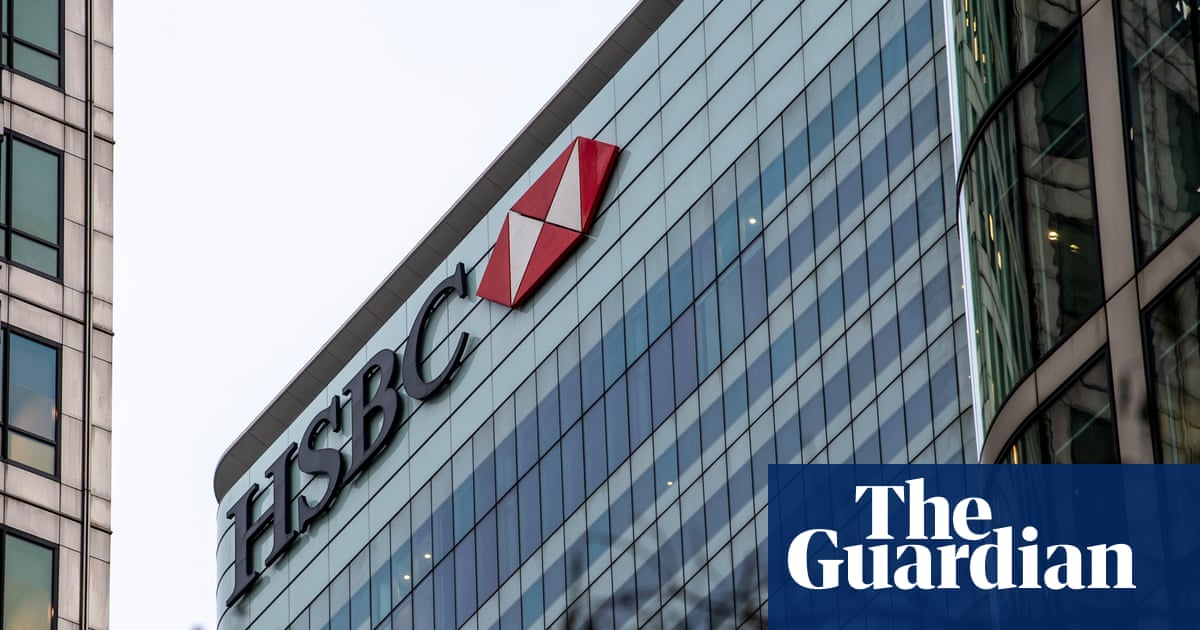
HSBC has moved to dispel growing speculation that it might relocate its global headquarters away from London in response to anticipated tax increases. The announcement comes as the United Kingdom prepares for a major budget statement expected to reverse previous reductions in bank surcharges. Despite warnings from industry lobbyists that higher fiscal burdens could drive financial institutions and associated jobs to competing international hubs, the bank’s leadership maintains that staying put is the clear path forward.
Pam Kaur, the chief financial officer, addressed reporters directly to clarify the institution's stance. She emphasized that there is no significant pressure from shareholders, particularly those in the critical Hong Kong market, to shift operations abroad. According to Kaur, the bank remains fully domiciled in the United Kingdom and is committed to supporting its customers regardless of future tax legislation. She described the question of relocation as simply not being on the table, signaling a firm commitment to the London base.
The reassurance coincides with the release of strong financial results for the third quarter. HSBC reported a thirty-two percent rise in profits, totaling nine point six billion dollars, or approximately seven point two billion pounds. This growth was driven by higher interest rates, reduced loan losses, and smaller legal provisions compared to the same period last year. The bank also outlined plans to distribute two point seven billion dollars to shareholders through dividends and share buybacks, highlighting its current financial robustness.
Political context looms large over these developments. Chancellor John Healey is expected to announce new measures to tax Britain’s banks more heavily, reversing cuts implemented by the previous Conservative administration. This shift has sparked concern among some business leaders. Jamie Dimon, chief executive of JP Morgan, previously warned that he might cancel plans for a new three billion pound London headquarters if the regulatory environment became too hostile. A small number of wealthy individuals have already indicated intentions to leave the country, citing dissatisfaction with Labour’s tax policies.
HSBC has faced similar pressures in the past. In twenty fifteen, rising regulatory demands and a new bank levy prompted the lender to consider moving its headquarters to Hong Kong. The Conservative government at the time scaled back the levy to apply only to UK-based assets, which benefited HSBC significantly. More recently, in twenty twenty two, the bank faced calls to separate its profitable Asian operations from the rest of its business after it canceled dividends during the initial pandemic lockdowns.
Despite the strong headline figures, HSBC’s shares listed in the United Kingdom dropped nearly six percent on Tuesday morning. This decline threatened its position as the largest company on the FTSE 100 index. Kaur suggested that investors may have anticipated stronger forecasts for net interest income, which represents the difference between loan charges and deposit payouts. While net interest income did rise to nine point three billion dollars in the third quarter, up from eight point eight billion dollars a year earlier, it may not have met market expectations.
The source of this profit growth has become a point of contention. HSBC attributed the increase to hedging strategies and deposit growth in Hong Kong, noting that UK deposits remained flat. However, critics argue that these gains are less about operational excellence and more about favorable macroeconomic conditions. Paul Nowak, general secretary of the Trades Union Congress, stated that the results clearly demonstrate banks can afford to contribute more to public finances. He dismissed lobbying efforts aimed at preventing tax rises as ineffective given the evident profitability.
Economic analysts have added further nuance to the debate. Abhijay Sood from the New Economics Foundation noted that such strong profits are difficult for households struggling with high mortgage costs to accept. He argued that big banks have relied on keeping savings account rates low and benefiting from taxpayer subsidies through quantitative easing. While he welcomed rumors of tax changes, he suggested they may not go far enough. Sood called for clawing back these stealth subsidies to fund investments that combat inflation and keep essential goods affordable for ordinary people.
Looking ahead, the situation remains fluid. Kaur expressed encouragement regarding the government’s growth agenda but noted that the bank will need to observe how businesses and customers react to any new fiscal measures. The interplay between political ambition for higher revenue and corporate stability will likely define the coming months. As the budget date approaches, all eyes remain on whether the promised tax adjustments will materialize and how they might reshape the landscape for major financial institutions in London.
Sources behind this briefing
Go to the original reporting
- The Guardian World↗HSBC says ‘no pressure’ to move HQ out of UK despite prospect of higher bank taxes