The short version
- Casey Sparks followed a GPS reroute that placed him near a house fire in Georgia while returning from a softball tournament.
- Sparks entered the burning structure to wake James Burke and evacuate his wife, adopted children, and grandchild before the home collapsed.
- The family lost their home and vehicles but suffered no injuries, with community donations helping them secure temporary housing.
A navigation malfunction on a routine drive from Georgia to Alabama inadvertently positioned Casey Sparks at the scene of a house fire in Lyerly, Georgia. The detour occurred on the night of October 17, as Sparks and his thirteen-year-old son were traveling home after attending a softball tournament in Dalton. Despite having passed through Chattanooga, Tennessee, during their journey, the GPS system repeatedly directed them toward the small community of Lyerly. Sparks followed these instructions, a decision he later described as pivotal to the outcome of the evening.
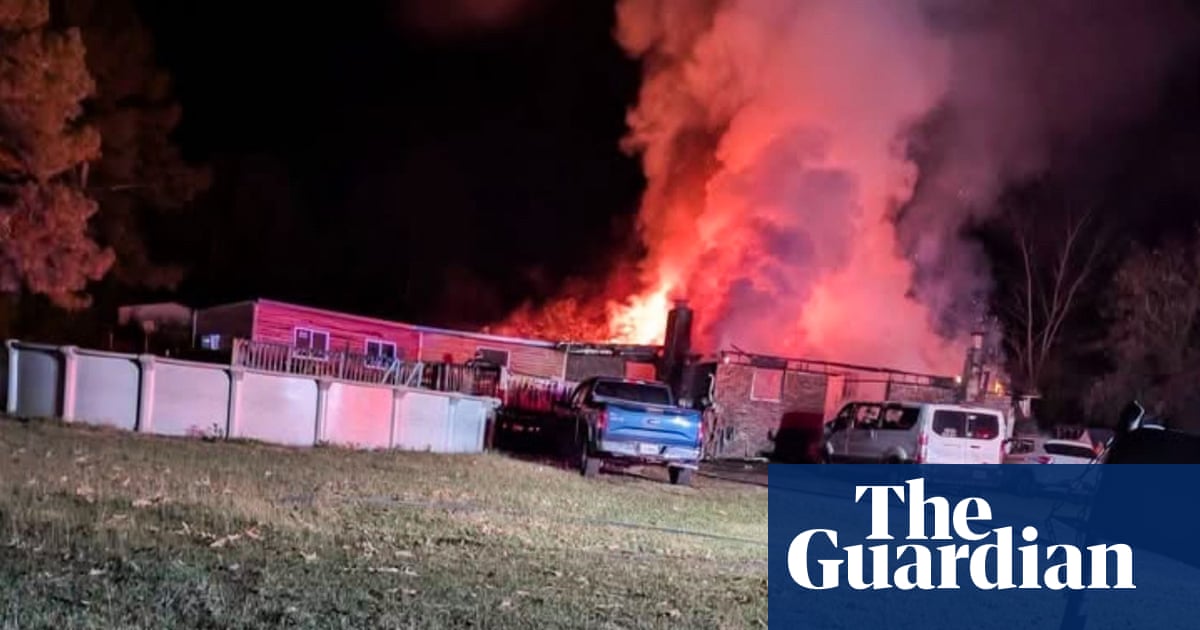
Upon arriving in Lyerly, Sparks observed flames engulfing the roof of a residence. He pulled over and instructed his son to remain in the vehicle to contact emergency services. Sparks then approached the home alongside another passerby who had also stopped to assess the situation. The side door they encountered had a broken lock that had not been repaired, allowing Sparks entry into the property. Inside, he encountered a teenager attempting to extinguish the blaze with a hose pot, who indicated that others remained trapped within the house.
Sparks proceeded deeper into the structure and located James Burke, who was asleep in his recliner. The fire had spread rapidly while Burke, his wife Larita, their twelve adopted children, and one grandchild were sleeping. Sparks woke Burke, alerting him to the immediate danger. He then assisted in evacuating the occupants, including carrying out a ten-year-old granddaughter who is blind. Rather than waiting for first responders, Sparks made multiple trips back into the burning building to ensure all family members reached safety.
The evacuation process was complicated by the presence of children with various disabilities and special needs. Sparks worked systematically to escort Larita Burke and the remaining children out of the home. The structural integrity of the house deteriorated quickly during this period. By the time the final occupants were outside, the fire had consumed much of the interior. Firefighters arrived shortly thereafter and brought the blaze under control, but the damage was already extensive.
The fire caused the complete collapse of the Burkes’ home and destroyed three vehicles parked on the property. Despite the severity of the destruction, no one sustained physical injuries. Larita Burke noted that a delay of just five minutes would have likely resulted in fatalities. The family expressed relief at their survival but acknowledged the trauma associated with losing their belongings and residence. The cause of the fire has not yet been determined by investigators.
James and Larita Burke have fostered more than 500 children over the past fifteen years. Their home served as a stable environment for these young people, many of whom faced significant challenges. The loss of the property represents not only a financial blow but also the disruption of a long-standing caregiving operation. Community members have rallied to support the family in the aftermath of the disaster, offering assistance and resources to help them recover.
An online fundraising campaign organized by James Burke’s sister, Renia Evans, has generated over $11,000 in donations as of Monday morning. These funds are intended to help the family secure a rental property large enough to accommodate all fourteen members while they determine whether to rebuild or relocate. The Burkes have expressed gratitude for the outpouring of support and remain focused on moving forward with their lives.
Sparks reflected on the sequence of events that led him to Lyerly, attributing his presence at the scene to divine intervention. He stated that the alignment of circumstances seemed inexplicable without such an explanation. After the firefighters secured the area, Sparks and his son resumed their journey back to Alabama in silence. The experience left a lasting impression on both father and son, who recognized the gravity of what they had witnessed and participated in.
The incident highlights the unpredictable nature of technology and human intervention in emergency situations. While GPS systems are designed for efficiency, this malfunction resulted in an unexpected but beneficial outcome. Sparks’ quick thinking and willingness to enter a dangerous environment likely prevented a tragedy. The story has circulated widely online, drawing attention to the role of ordinary citizens in crisis response.
As the Burkes navigate the next steps in their recovery, they remain committed to their mission of caring for children in need. The community’s response underscores the resilience of local networks in times of disaster. Sparks continues to communicate with the family, expressing relief at their safety and satisfaction with the public support they have received. The event serves as a reminder of the potential for positive outcomes from unforeseen circumstances.
Sources behind this briefing
Go to the original reporting
- The Guardian World↗GPS detour leads Alabama driver to save Georgia family from house fire