The short version
- Zach Cregger directs a new Resident Evil film that opens September 18, featuring a cast including Austin Abrams and Kali Reis.
- Early reviews describe the movie as an original story within the IP, earning praise as potentially the best video game adaptation ever made.
- The director faces online criticism from some fans who accuse him of using the franchise merely for budget purposes, a claim he denies.
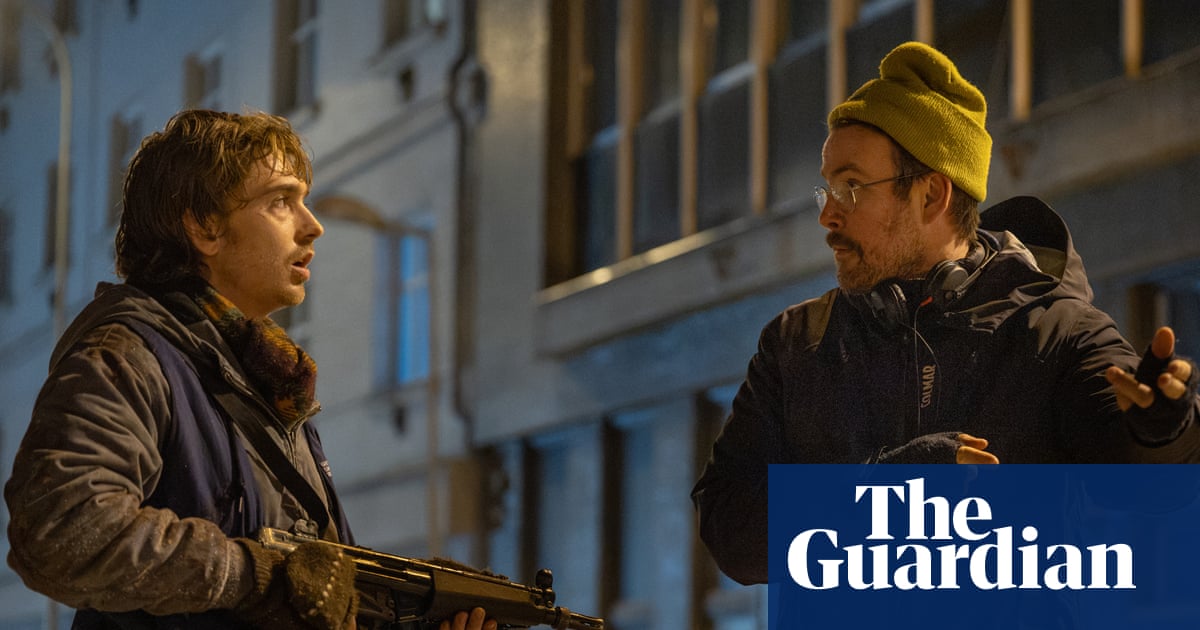
Zach Cregger, the director behind the critically acclaimed horror films Barbarian and Weapons, has released his latest project, a new installment in the Resident Evil franchise. The film opened in theaters on September 18, bringing together a cast that includes Austin Abrams, Zach Cherry, Kali Reis, Paul Walter Hauser, and Johnno Wilson. The release marks a significant pivot for Cregger, who had established a reputation for original, unpredictable storytelling with his previous two features, both of which addressed sensitive social issues while defying easy narrative categorization.
The transition to existing intellectual property has not been without controversy. Since the launch of the first teaser trailer in April, Cregger has faced intense scrutiny from segments of the gaming community. Online critics have accused the director of conceiving an original movie and simply attaching the Resident Evil title to secure a larger production budget. Cregger has pushed back against these allegations, stating that the project was always intended to be a Resident Evil story. He emphasized that while the film utilizes established IP, the core focus remains on telling an original narrative rather than strictly adhering to video game lore.
Despite the online friction, early critical reception has been overwhelmingly positive. Reviews suggest that Cregger has revitalized a franchise often viewed as fatigued by audiences. The Hollywood Reporter described the film as giving the series an 'exhilarating shot in the arm,' while other outlets have gone further, labeling it not just the best Resident Evil movie to date, but one of the finest video game adaptations in cinematic history. This critical acclaim stands in stark contrast to the skepticism voiced by some fans who felt protective of the source material.
Cregger’s approach to horror has consistently challenged audience expectations. His debut solo feature, Barbarian, released in 2022, became a surprise hit, grossing $46 million and generating significant buzz among horror enthusiasts. His follow-up, Weapons, released in 2025, performed even better at the box office and garnered industry awards attention, including an Academy Award for Amy Madigan’s supporting performance. Both films were noted for their ability to start in one narrative direction before shifting unexpectedly, a stylistic choice that has defined Cregger’s emerging brand.
The director’s background in punk music, alternative comedy, and religious upbringing has informed his distinctively Lynchian style of horror. This unique perspective led to a fierce bidding war for the rights to Weapons, with reports indicating that Jordan Peele was eager to produce the film. The intense industry interest surrounding Cregger’s work created an atmosphere of high expectation for his third feature, even before the decision to adapt Resident Evil was announced.
In interviews, Cregger has expressed frustration with the misinterpretation of his creative choices. He noted that critics and fans often take his statements out of context, framing his use of IP as a financial maneuver rather than a narrative one. He maintains that the story itself is the primary concern, arguing that the film remains original in its execution despite the familiar branding. The director acknowledged the inevitable online backlash but remained confident that viewers would recognize the integrity of the project upon watching it.
The cast reunion for the film’s release highlighted the collaborative effort behind the production. Abrams, Cherry, Reis, Hauser, and Wilson gathered to celebrate the opening, signaling a fresh start for the franchise under Cregger’s direction. The ensemble cast brings together actors known for their versatility in both dramatic and comedic roles, suggesting a tonal complexity that aligns with Cregger’s previous work.
As the film settles into theaters, the divide between critical praise and fan skepticism remains evident. While some viewers may expect a traditional retelling of video game events, Cregger’s version appears to prioritize atmospheric horror and narrative surprise over strict fidelity to the source material. The success of this approach will likely determine whether the franchise can sustain renewed interest in an era where video game adaptations are increasingly common.
The reception of Resident Evil also reflects broader trends in how audiences engage with horror franchises. Cregger’s ability to balance original storytelling with recognizable IP may set a precedent for future adaptations. By resisting easy interpretation and maintaining his signature unpredictability, the director has offered a product that satisfies critics while challenging long-time fans to reconsider their expectations of the genre.
With the film now in wide release, the ultimate verdict will rest with general audiences. Whether they view it as a betrayal of the franchise’s roots or a bold reinvention remains to be seen. However, the critical consensus suggests that Cregger has delivered a compelling entry that stands on its own merits, regardless of its connection to the video game series.
Sources behind this briefing
Go to the original reporting
- The Guardian US↗‘Resident Evil movies? I’ve never seen one’: Weapons director Zach Cregger on resurrecting the beloved zombie franchise
- The Hollywood Reporter↗‘Resident Evil’ Review: Zach Cregger Gives a Fatigued Franchise an Exhilarating Shot in the Arm
- The Geekiary↗Zach Cregger’s “Resident Evil” Isn’t Really a “Resident Evil” Movie – Review
- Rotten Tomatoes↗Resident Evil First Reviews: Not Just the Best Resident Evil Movie, but One of the Best Video Game Movies Ever

/https://tf-cmsv2-smithsonianmag-media.s3.amazonaws.com/filer_public/65/46/6546972d-9d36-44fe-9cb3-35057327b071/024_aerial_view_of_jakobshavn_glacier_at_disko_bay_greenland_photo_by_giles_laurent.jpg)