The short version
- Victor Wembanyama has explicitly ruled out future partnerships with sports betting companies, stating he will never engage in such promotions.
- His stance contrasts sharply with several NBA superstars who have invested in or partnered with gambling and prediction market platforms.
- The refusal occurs as the league continues to integrate betting advertisements into broadcasts and digital streaming services.
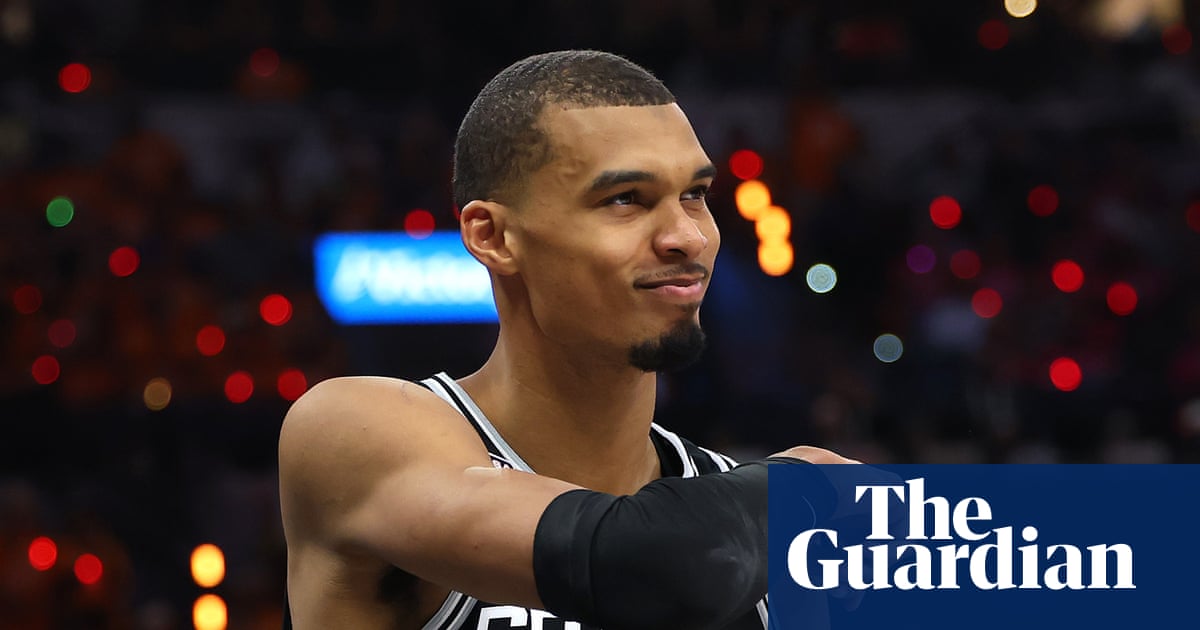
Victor Wembanyama has drawn a firm boundary regarding his commercial relationships, explicitly rejecting any future partnerships with sports betting firms. During a recent practice session in San Antonio, the twenty-two-year-old center responded to a question from local press about potential collaborations with gambling companies by stating he would never participate in such arrangements. His refusal was absolute, leaving no room for ambiguity about his personal stance on the industry.
This position places Wembanyama at odds with a growing trend among elite NBA players who have embraced financial ties to betting and prediction markets. LeBron James has become a prominent face for Polymarket, while Kevin Durant has invested in Kalshi and frequently discusses betting odds publicly. Giannis Antetokounmpo also holds shares in Kalshi, illustrating how deeply integrated these platforms have become within the league’s upper echelon.
The broader NBA ecosystem continues to normalize gambling advertising, displaying promotions for FanDuel and DraftKings during broadcasts and previously streaming games exclusively on FanDuel Sports Network. This commercial environment makes Wembanyama’s rejection notable, as it runs counter to the prevailing business model that encourages athletes to monetize their fame through these channels. The league’s embrace of betting partners has been widespread, with few high-profile stars publicly criticizing the integration.
Wembanyama’s comments extend beyond mere commercial preference, reflecting a broader discomfort with the normalization of gambling in professional sports. He expressed sadness regarding other players who choose to promote these services, suggesting a moral or ethical dimension to his decision. This perspective highlights a tension between individual athlete autonomy and the collective direction of the league’s sponsorship landscape.
The timing of his statement follows a period of intense scrutiny for Wembanyama after a disappointing NBA Finals performance. Critics had pointed to specific errors during the playoffs, including missed free throws and controversial plays, which contributed to a dip in his public standing. Some observers might interpret his anti-gambling stance as an effort to rebuild rapport with fans who often view sports betting with skepticism.
However, Wembanyama’s willingness to speak candidly on other contentious issues suggests his position is consistent with a broader pattern of outspokenness. He has previously addressed political and social matters directly, refusing to offer sanitized responses when asked about sensitive topics such as immigration enforcement actions. This approach indicates that his rejection of betting partnerships is part of a larger commitment to personal authenticity rather than a calculated public relations move.
The contrast between Wembanyama’s stance and that of his peers underscores a shifting cultural dynamic within the NBA. While some stars leverage their influence to drive engagement with prediction markets, others may resist the pressure to conform to these commercial expectations. Wembanyama’s clear declaration serves as a counterpoint to the pervasive presence of gambling advertisements in modern sports media.
As the league continues to navigate its relationship with betting companies, individual athlete choices will likely remain varied. Wembanyama’s refusal establishes a precedent for young stars who may wish to distance themselves from the gambling industry. His position offers an alternative model for commercial engagement, one that prioritizes personal boundaries over lucrative but controversial partnerships.
The long-term impact of his stance remains to be seen, particularly as he matures and his marketability grows. Whether other players follow his lead or continue to embrace betting sponsorships will depend on a complex mix of financial incentives, personal values, and fan sentiment. For now, Wembanyama’s clear rejection stands out in a landscape where such boundaries are increasingly rare.
This development highlights the ongoing negotiation between athlete agency and league commerce. While the NBA benefits from the revenue generated by betting partnerships, individual stars retain the right to define their own commercial identities. Wembanyama’s decision reinforces the idea that not all athletes will align with the industry’s push toward deeper integration with gambling platforms.
Sources behind this briefing
Go to the original reporting
- The Guardian US↗Victor Wembanyama said no to gambling money. In today’s NBA, that feels radical