The short version
- Actresses like Olivia Colman and Lisa Bonet are publicly adopting grey hair, framing it as a modern aesthetic choice rather than a sign of decline.
- Economic research indicates that women in the UK face recruitment discrimination starting at age forty, a decade earlier than men, making visible aging a career risk.
- Industry professionals note that transitioning to natural grey hair is a lengthy process requiring specialized blending techniques to avoid a harsh demarcation line.
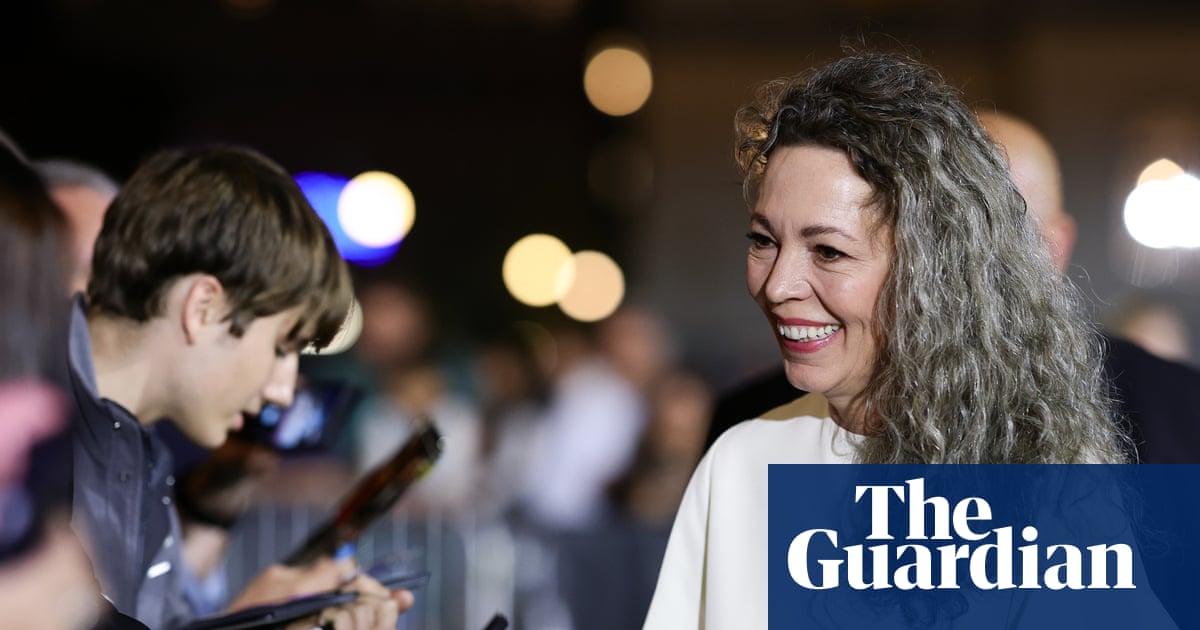
The visibility of grey hair among prominent female celebrities has increased recently, with figures such as Olivia Colman and Lisa Bonet publicly abandoning hair dye. Colman’s appearance at the Zurich film festival featured a silver, curly style created by specialist Inanch Emir using extensions to add volume and mirror her natural color. This shift aligns with a broader cultural movement where older women in media are increasingly portrayed with natural hair tones, challenging long-standing beauty standards that prioritized youthful appearances.
However, this aesthetic freedom appears largely reserved for those already established in senior positions or with significant financial security. Stacey Duguid, a former fashion editor who has documented her job search struggles at age fifty-two, argues that embracing grey hair is a privilege. She notes that women trying to re-enter the workforce often feel compelled to maintain dyed hair to avoid appearing older than their peers, a concern amplified by economic instability and the need to secure employment quickly.
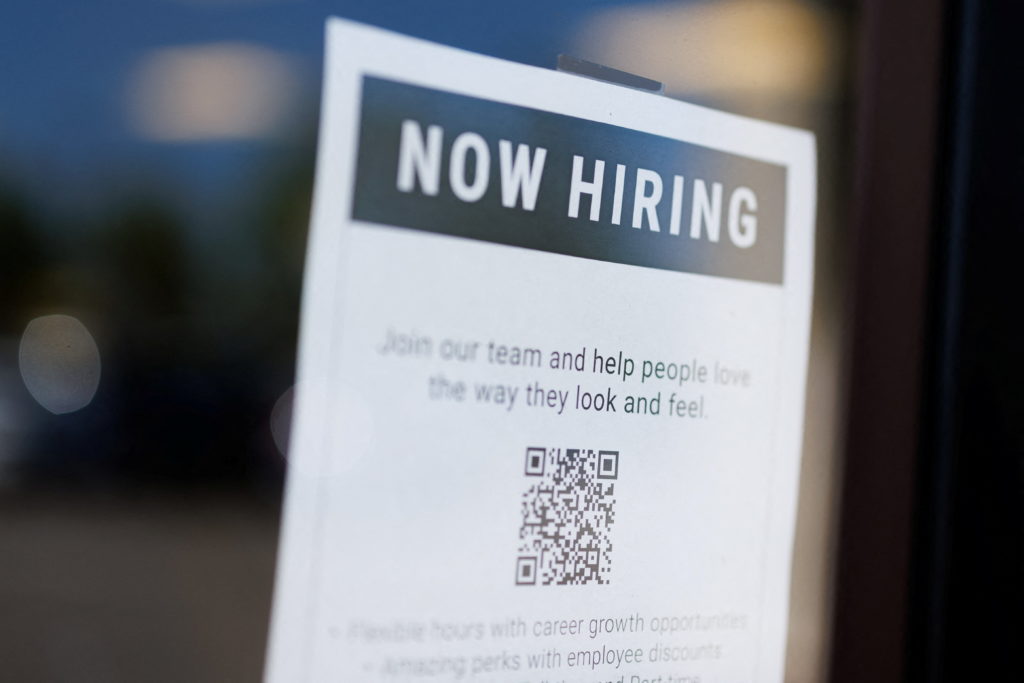
The disparity between celebrity trends and workplace realities is underscored by data on age discrimination in hiring. Research by Ian Burn, an economics professor at the University of Liverpool, reveals that women in the UK begin facing reduced interview callbacks at age forty. This decline starts a decade earlier than for men, who typically see similar drops in recruitment prospects only after reaching their fifties. Consequently, visible signs of aging, including grey hair, can inadvertently signal to recruiters that a candidate is less desirable.
The Office for National Statistics reports that approximately three percent of people aged fifty to sixty-four are unemployed in the UK. Despite the state pension age rising to sixty-seven, a study by the Centre for Ageing Better found that job applicants are often perceived as undesirable to recruiters by age fifty-five. This perception gap creates a high-stakes environment where appearance management becomes a strategic career decision rather than a simple personal preference.
Transitioning to natural grey hair is also technically complex and time-consuming. Sarah Bower, a color specialist in London, explains that simply stopping dye application leaves a visible demarcation line between dyed roots and new growth. Her work often involves blending this line over several years to create the illusion of natural progression. This process requires significant investment in professional services, further limiting accessibility for those without disposable income.
Some industry insiders suggest that the grey hair seen on celebrities is often curated to maintain a youthful aesthetic. Duguid described Colman’s look as a fetishized version of grey hair that retains the trademarks of youthfulness. This curation contrasts with the unvarnished reality many women face, where grey hair may be associated with decline rather than style. The pressure to conform to these polished standards persists even as inclusivity grows on fashion runways.
Recent fashion shows have shown some progress in age representation. Stephanie Cavalli, a fifty-year-old model with peppered grey hair, opened the Chanel couture show in January. Similarly, Evelyn Effrim-Botchey has credited her grey-streaked hair with aiding her modeling comeback after a long hiatus. Yet, these examples remain exceptions rather than the rule, as many older models and magazine covers still feature dyed hair to align with traditional beauty norms.
The psychological toll of managing appearance in the job market is significant. Duguid reports hearing from women who use digital filters during video interviews to mask their age, describing the effort as exhausting. For those seeking employment, the inability to hide grey hair easily often leads to a return to box dyes. This cycle reinforces the notion that professional viability for women is inextricably linked to maintaining a youthful appearance.
Despite these challenges, some women find empowerment in rejecting dye. Alyson Walsh, who stopped coloring her hair in 2015, cites financial savings and improved hair condition as benefits. She argues that while stereotypes persist regarding older women’s appearances, embracing natural aging can be a liberating choice. The tension between individual autonomy and systemic bias remains unresolved, leaving many women to navigate the risks of visibility on their own terms.
As cultural attitudes slowly shift, the gap between high-fashion ideals and everyday workplace expectations persists. While celebrities can afford to redefine beauty standards, the economic realities for the broader population mean that grey hair often carries a hidden cost. Until hiring practices evolve to value experience over appearance, the decision to go grey will remain fraught with professional risk for many women.
Sources behind this briefing
Go to the original reporting
- The Guardian US↗More celebrities are embracing grey hair. For other women, it can come at a cost