The short version
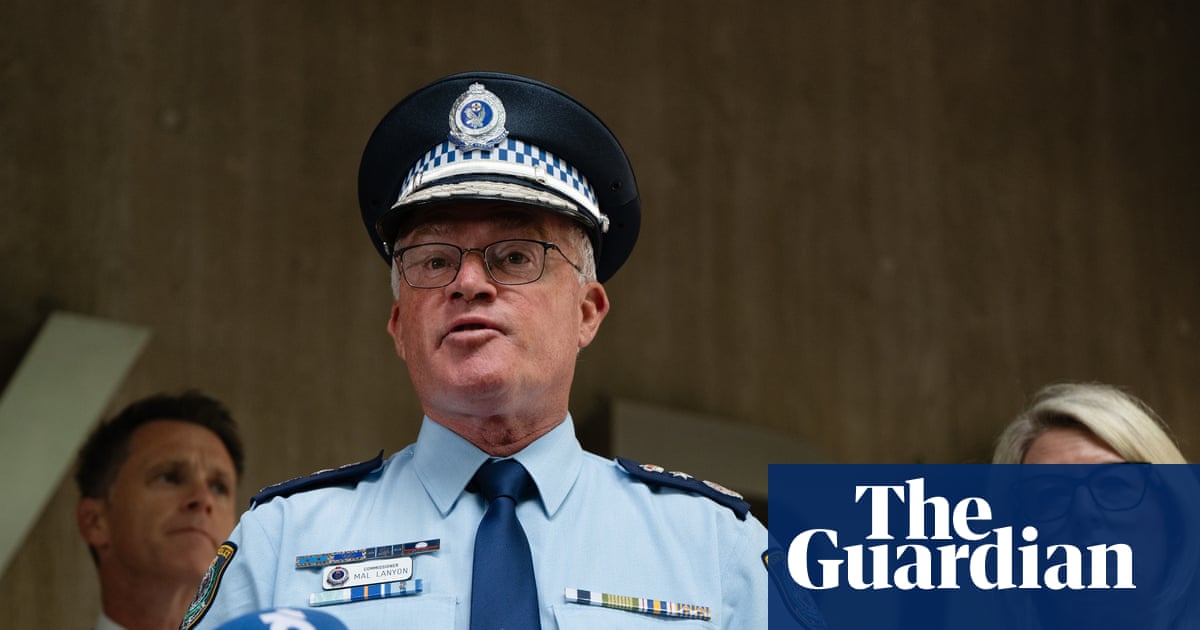
- The police watchdog criticized Commissioner Mal Lanyon for raising objections to public hearings less than two weeks before they were scheduled to begin.
- Inquiries will now proceed with a hybrid model, starting with private fact-finding followed by public examinations of systemic issues and senior leadership.
- The investigation focuses on allegations of excessive force, improper arrest powers, and the planning failures during the February protest at Sydney Town Hall.
An independent inquiry into police conduct during a major anti-Herzog protest in Sydney has been delayed after the state’s top law enforcement official made a last-minute request to hold proceedings behind closed doors. The Law Enforcement Conduct Commission (Lecc) revealed that Commissioner Mal Lanyon’s legal team raised objections regarding public examinations just days before hearings were set to commence, a move the watchdog described as regrettable and disruptive to the investigation's orderly progress.
The controversy centers on the events of February 9, when thousands gathered at Sydney Town Hall. Video footage circulated widely showing officers using physical force against demonstrators, including elderly participants, and interfering with Muslim worshippers during sunset prayers. Ten police officers and numerous civilians were injured in the clashes. In the months following the protest, thirty individuals faced charges, though four have since had their cases dropped. More than twenty defendants are scheduled for a joint hearing next July.
Lecc Chief Commissioner Peter Johnson SC stated that the timing of Lanyon’s intervention caused significant delays and inefficiencies. The original schedule called for public hearings to begin on September 21, with some sessions held in private. However, lawyers for the police commissioner argued that the Lecc Act did not authorize broad open submissions midway through an ongoing investigation. They contended that opening addresses and witness examinations should remain private and not be livestreamed.
The watchdog rejected this interpretation, asserting its authority to determine when public scrutiny is appropriate. Counsel assisting the commission emphasized that substantial information about the February events was already in the public domain, including graphic video evidence of police force. Furthermore, senior police officials had previously presented an official narrative of the incident in public forums. The Lecc argued that these public statements increased the necessity for independent, transparent oversight to address community concerns.
Specific attention is being paid to the impact on Western Sydney’s Islamic community, which expressed significant concern over the treatment of worshippers. The commission noted that restricting examinations to private sessions would be inappropriate given the high level of public interest and the nature of the allegations. The inquiry, designated as Operation Makalu, will examine the use of OC spray, the propriety of arrest powers, and the overall planning and execution of police operations during the demonstration.
In a revised decision issued on Thursday, Johnson outlined a new procedural path. The inquiry will begin with a public address by counsel assisting on October 19. This will be followed by five weeks of private hearings focused on establishing factual records. Only after these preliminary stages will senior officers appear for public examinations, which will address systemic issues and command decisions rather than individual facts.
The delay has drawn sharp criticism from political opponents and civil rights advocates. Sue Higginson, the NSW Greens justice spokesperson, characterized the police commissioner’s push for privacy as an attempt to suppress scrutiny of serious misconduct and obscure the political decisions that led to violence against protesters. She argued that transparency is essential to understanding how command structures failed to prevent excessive force.
Legal challenges are also unfolding in parallel civil courts. Eyad Shadid, a Palestinian Australian activist, launched a case in the NSW District Court alleging he was assaulted and falsely imprisoned by police near Town Hall. His claim includes allegations of misfeasance in public office and malicious prosecution. These legal actions add pressure on the police force to demonstrate accountability beyond the administrative inquiry.
The Lecc has previously noted that police responses to information requests have been overly defensive, hindering investigative efficiency. The current procedural dispute highlights ongoing tensions between law enforcement agencies and oversight bodies regarding transparency. As the October hearings approach, the commission aims to balance the need for thorough fact-finding with the public’s right to witness the examination of systemic failures in protest policing.
The outcome of this inquiry could set precedents for how future demonstrations are managed and scrutinized in New South Wales. By separating factual determinations from systemic reviews, the Lecc seeks to provide a comprehensive analysis of both individual actions and broader policy implications. The public examinations of senior leadership will likely focus on whether adequate planning and de-escalation strategies were employed before violence erupted.
Sources behind this briefing
Go to the original reporting
- The Guardian World↗NSW police commissioner made last-minute bid to hold closed-door hearings into Sydney anti-Herzog protest