The short version
- South Korean authorities are investigating whether fuel shipments to Russia violated domestic regulations following a report detailing over 176,000 tonnes of diesel loaded onto tankers bound for the Russian Far East.
- The government maintains that refined petroleum products are not currently subject to South Korea’s specific export controls on Russia, which primarily target industrial machinery and electronics.
- Ukrainian officials have criticized the trade as undermining sanctions efforts, while Seoul has pushed back against public comments it deems damaging to its international credibility.
The South Korean government has announced it will pursue legal action if investigations confirm that recent fuel shipments from its ports to Russia violated domestic laws. This statement follows a report revealing that thousands of tonnes of diesel were loaded onto tankers that subsequently traveled to Russian destinations during the summer months. Officials from the foreign and trade ministries, along with the customs service, stated they are verifying additional information regarding these loading cases. They emphasized that any confirmed violations of regulations would result in appropriate legal measures.
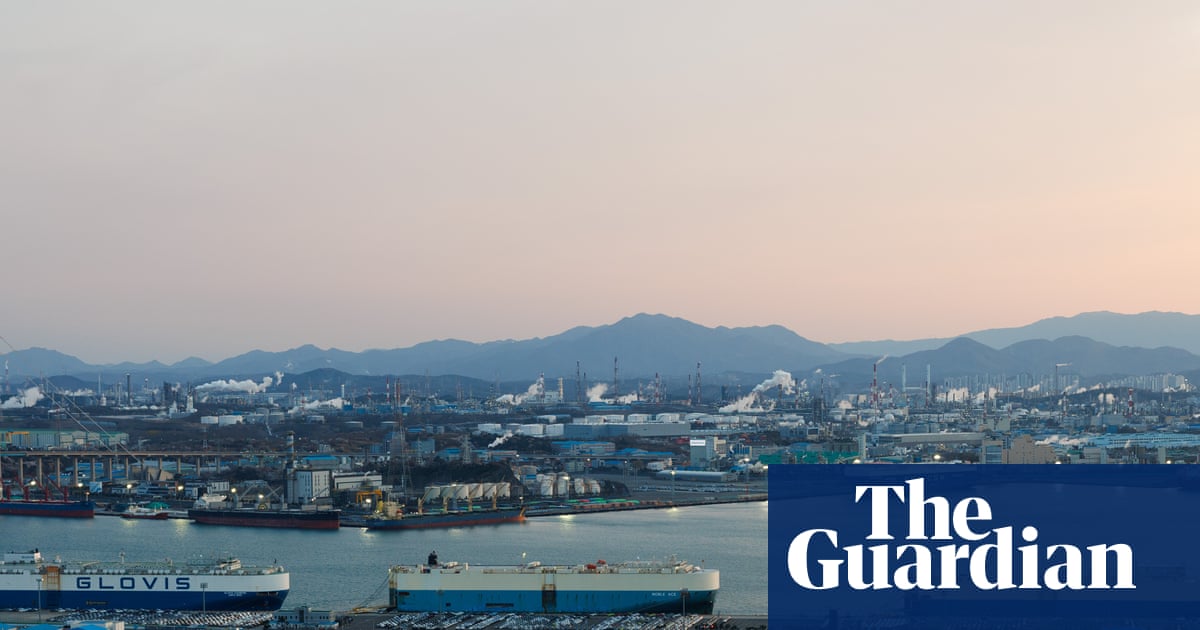
Analysis of port records and vessel tracking data indicates that more than 176,000 tonnes of fuel, predominantly diesel, were loaded at several South Korean ports between July and August. These loads were distributed across seven tankers that completed fourteen voyages to the Russian Far East. The investigation focuses on whether these transactions complied with local statutes, even as the government notes that refined petroleum products are not explicitly covered by South Korea’s existing export control regime targeting Russia. Those controls currently apply mainly to sectors such as industrial machinery, electronics, and vehicles.
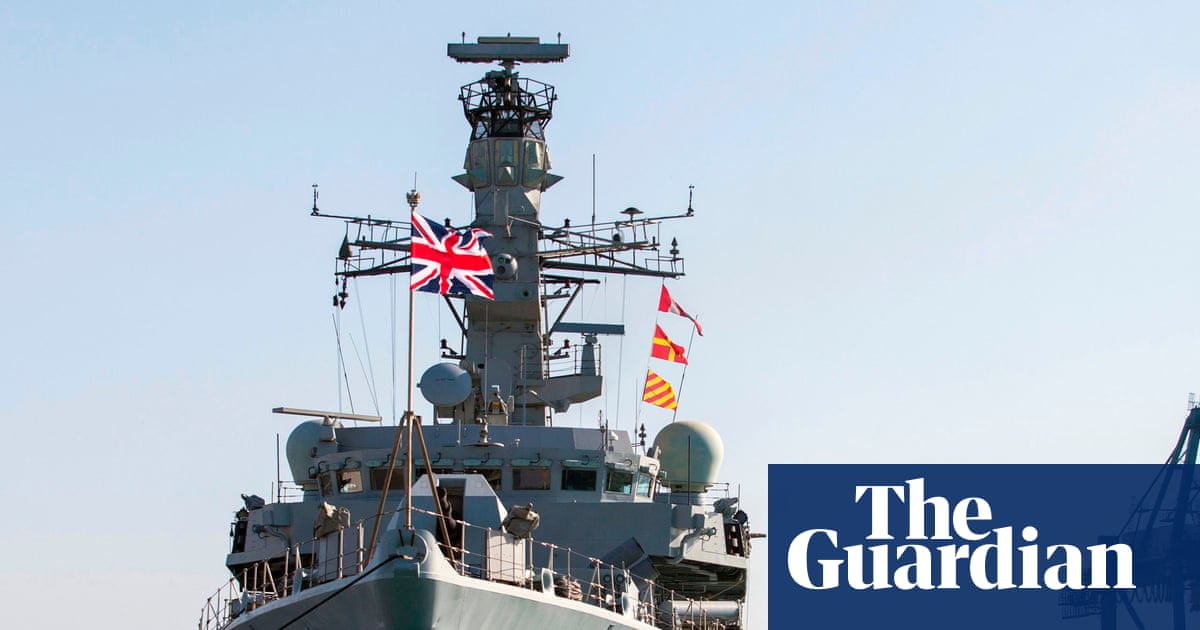
A significant portion of the vessels involved in this trade operate under complex ownership structures or flags that may circumvent direct scrutiny. Three of the tankers identified in the report are subject to sanctions imposed by the United Kingdom and the European Union. One vessel acquired approximately 26,000 tonnes of fuel through a ship-to-ship transfer at an anchorage near Yeosu, a southern port city. Another tanker, flying the Russian flag but not under Western sanctions, loaded cargo three times in Ulsan during the same period. In each instance, the vessel declared a destination other than Russia before ultimately sailing to Vladivostok.
South Korean authorities have clarified that no diesel, aviation fuel, or motor petrol was officially exported from the country to Russia through standard customs clearance procedures. The government stated that it has not confirmed whether the fuel itself originated in South Korea, as port records do not publicly disclose ownership or sales details. Officials cautioned that a vessel’s failure to proceed directly to its declared destination does not automatically constitute evidence of false declaration. They intend to examine actual routes and reasons for any deviations before determining if laws were broken.
The timing of these shipments coincides with significant disruptions to Russia’s domestic oil refining capacity. Ukrainian drone strikes have severely impacted Russian refineries, causing throughput to fall to its lowest level in over two decades by June. According to the International Energy Agency, diesel output has dropped nearly 30% compared to the previous year. This shortage has created a market incentive for alternative supply chains, potentially explaining the volume of fuel moving through third-party ports like those in South Korea.
Energy analysts have criticized the trade as detrimental to international sanctions efforts. Isaac Levi, an analyst at the Centre for Research on Energy and Clean Air, argued that such shipments undermine the broader sanctions regime and contradict South Korea’s stated support for Ukraine. The flow of fuel helps sustain Russian military and industrial operations despite Western attempts to restrict access to critical resources. The use of sanctioned vessels further complicates compliance efforts, raising questions about enforcement mechanisms in neutral or allied jurisdictions.
Diplomatic tensions have emerged between Seoul and Kyiv regarding the handling of this issue. An adviser to Ukrainian President Volodymyr Zelenskyy described the shipments as standing in sharp contrast to South Korea’s sanctions policies. In response, South Korea’s presidential office labeled these remarks as contrary to fact and inappropriate, urging Ukraine to refrain from public comments that could harm Seoul’s international credibility. This exchange highlights the delicate balance South Korea must maintain between its alliance with Western partners and its economic relationships.
Ukraine’s foreign ministry has reportedly raised the issue of fuel shipments with Seoul through closed diplomatic channels, requesting an explanation for the activities. A spokesperson for the Ukrainian foreign ministry indicated that Kyiv possesses its own data on such trade patterns. As South Korea continues its verification process, the outcome could influence future export policies and bilateral relations. The government’s stance remains that mere deviation from declared routes does not prove illegal intent, but the potential for legal action looms if domestic regulations are found to have been breached.
The situation underscores the challenges of enforcing sanctions in a globalized trade environment where ownership and destination declarations can be manipulated. South Korea’s decision to investigate rather than immediately condemn reflects its cautious approach to maintaining diplomatic stability while adhering to international norms. The resolution of this case may set precedents for how allied nations handle similar discrepancies in future trade flows involving sanctioned entities.
As the investigation proceeds, attention will focus on whether the government finds evidence of deliberate circumvention of laws or if it concludes that technicalities shielded the transactions from violation. The lack of public data on fuel ownership adds a layer of opacity to the proceedings. Regardless of the final determination, the incident has drawn scrutiny to the effectiveness of current export control frameworks and the need for more robust monitoring mechanisms to prevent sanctioned goods from reaching their intended targets.
Sources behind this briefing
Go to the original reporting
- The Guardian World↗South Korea threatens legal action if fuel shipments to Russia found to have broken law