The short version
- A group of YouTubers and locals now patrol a Busan canal nightly to protect a stranded dusky shark from disruptive visitors using bright lights.
- The animal, known as Bukang-i, has attracted over 1.6 million tourists since becoming trapped in September, turning the site into a major attraction.
- Authorities have paused active removal efforts due to stress concerns, with experts suggesting cooler water temperatures may eventually prompt the shark to leave.
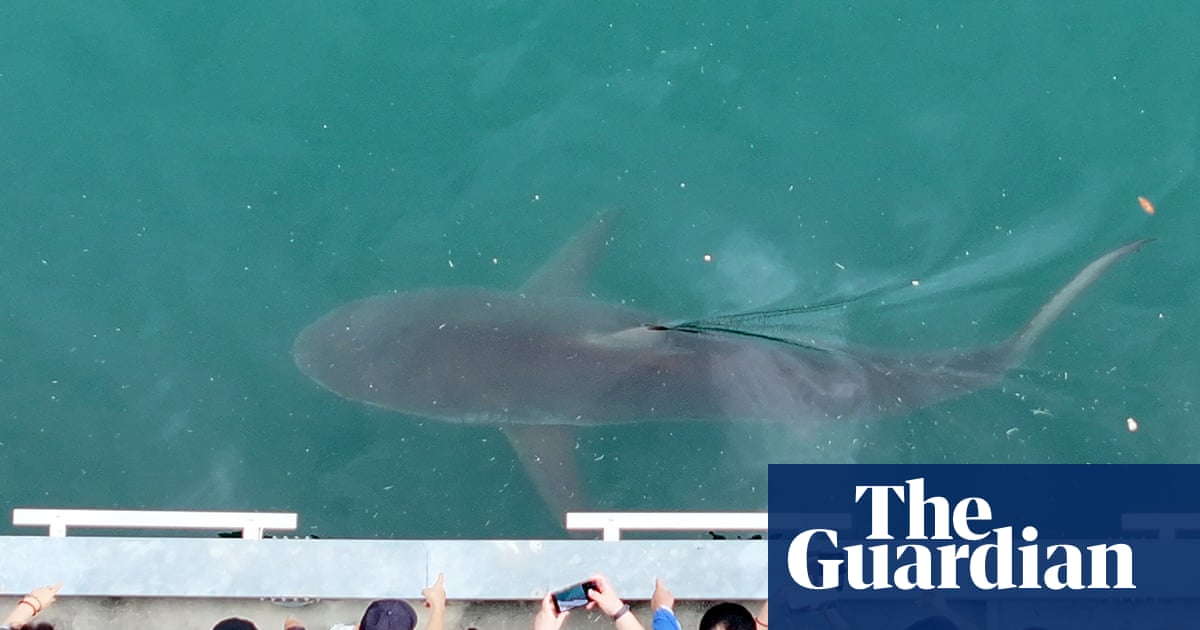
A female dusky shark has become an unlikely celebrity in South Korea after becoming trapped in a canal in Busan for nearly a month. The animal, affectionately dubbed Bukang-i after the city’s North Port, is approximately three meters long and belongs to a species classified as endangered globally. Her presence has transformed a local waterway into a major tourist destination, drawing more than 1.6 million visitors according to city estimates. This influx dwarfs the typical foot traffic for the area, which usually sees around 2,000 people on busy weekends.
As daylight fades, a group of self-appointed guardians takes over responsibility for the shark’s safety. These volunteers, many of whom are content creators who livestream their activities, wear high-visibility vests and carry recording equipment. They patrol the waterfront to deter visitors from disturbing the animal with bright torches or laser pointers. Choi Won-jin, one of the protectors, describes these intruders as lantern villains who bring camping lights or fishing lamps that agitate the shark. The group aims to educate the public gently, asking them to understand the need for darkness and quiet.
The disturbances have had tangible physical consequences for the animal. Footage captured by one of the volunteers shows the shark thrashing violently when struck by a beam of light in the early hours of the morning. This agitation caused her to strike the side of the canal, resulting in an abrasion on her snout. The national institute of fisheries science confirmed this injury and attributed it to the startling effect of visitor lights. Despite official claims that 105 personnel from seven agencies monitor the site with rapid response capabilities, Choi disputes the adequacy of this coverage after dark, asserting that the volunteers bear the primary burden of protection.
The canal remains open to the public during the day but is officially closed between midnight and five in the morning. However, the volunteers argue that enforcing this restriction across such a large park is nearly impossible. Livestreams have documented various infractions, including individuals tipping food waste into the water. While no one has observed the shark feeding, experts note that sharks of her size do not require frequent meals and can consume food quickly if available. The lack of visible feeding does not necessarily indicate starvation.
Official efforts to return the shark to the sea have faced setbacks. Authorities attempted to guide her out twice but paused further active removal attempts due to concerns that additional force would cause excessive distress. A third attempt was scheduled for mid-October, but the strategy has shifted toward a more passive approach. Some guardians, such as Kim Jong-hwan, who monitors the site during the day, have grown critical of previous interventions involving water pumps and nets. He argues that the shark entered the canal by her own volition and should be allowed to leave when conditions become unfavorable.
Environmental factors may play a decisive role in the shark’s eventual departure. Dusky sharks typically prefer water temperatures between 18 and 26 degrees Celsius. Experts indicate that physiological functions begin to decline below 15 degrees, with survival becoming precarious around 11 degrees. Busan city officials anticipate that the canal will reach these colder temperatures after mid-November. This natural cooling process is expected to encourage the shark to move on without human intervention.
The phenomenon has sparked a broader cultural and economic response in the region. Local businesses report increased sales, and merchandise ranging from commemorative soju to baseball mascots wearing shark capes has emerged. The site even received an honorary ambassadorship designation for the animal. South Korea’s president visited the canal in mid-October, highlighting the national attention the situation has garnered. Meanwhile, data from the fisheries institute shows a significant increase in large shark sightings off the east coast this year, nearly quadrupling compared to the previous period. This surge is attributed to warmer seas and an abundance of prey fish.
The debate over how to handle the situation continues among observers and officials. While some advocate for forcing the shark out to ensure her safety, others believe she should be protected in place until she departs voluntarily. The volunteers remain committed to their nightly patrols, balancing the desire to share information with their online audiences against the need to minimize stress on the animal. As autumn progresses, the focus remains on monitoring the shark’s condition and waiting for environmental cues that might facilitate her return to the open ocean.
Sources behind this briefing
Go to the original reporting
- The Guardian US↗After dark, these YouTubers watch over an unlikely charge – a shark stuck in a South Korean canal