The short version
- Approximately three-quarters of Albertan voters chose to remain in Canada, rejecting a proposal that would have initiated legal steps toward a binding independence referendum.
- Prime Minister Mark Carney hailed the outcome as a triumph for national unity, citing it as crucial for maintaining stability during ongoing trade disputes with the United States.
- Despite the defeat, separatist organizers argue that significant voter dissatisfaction with federal policies remains and promise to sustain their political movement.
Voters in Alberta have decisively rejected a proposal to begin the legal process for provincial independence, delivering a significant victory for Canadian unity. Unofficial results from Elections Alberta indicate that roughly 75 percent of participants supported remaining part of the country, while approximately 25 percent backed initiating separation procedures. The vote, which took place on Monday, was not a direct referendum on secession but rather a decision on whether to hold a future binding vote on the matter. With more than 1.8 million ballots counted and results reported from the majority of voting locations, the outcome appears clear, though final tallies may take several days to complete.
Prime Minister Mark Carney celebrated the result as a reinforcement of national cohesion at a critical moment. Speaking before a cabinet meeting in Ottawa, he emphasized that Albertans had chosen to build together and support one another. Carney noted that the decision allows Canada to present a united front against external pressures, particularly an ongoing trade war with the United States led by President Donald Trump. The federal leader argued that fragmentation would create years of uncertainty and lost opportunities, whereas unity enables the country to pursue shared goals such as infrastructure development and energy diversification.
Alberta Premier Danielle Smith, who called the referendum despite her personal opposition to independence, welcomed the early results. She stated that the vote demonstrated widespread support for a stronger Alberta within a united Canada. Smith had faced pressure from separatist factions within her governing United Conservative Party to hold the ballot, even after a judge blocked an earlier petition due to insufficient consultation with Indigenous communities. She indicated that no further binding referendum on separation would occur during her tenure if the remain option prevailed, which it did.
The political landscape in Alberta has long been characterized by resentment toward the federal government in Ottawa, particularly regarding economic policies and resource management. However, this discontent has not traditionally translated into broad support for secession. Separatist parties have historically attracted minimal electoral support, often garnering only one or two percent of the vote. Recent mobilization of activists was partly fueled by anger over pandemic-era restrictions and a desire to assert provincial autonomy. Nevertheless, the referendum results suggest that while grievances exist, most residents prefer to address them within the existing constitutional framework rather than pursue separation.
Separatist leaders have attempted to frame the outcome as a partial victory, highlighting the quarter of voters who supported moving forward with independence discussions. Keith Wilson, a prominent figure in the separatist movement, argued that the results reflect deep-seated feelings that Alberta is not treated fairly by the federal government. Jeffrey Rath, another key organizer, maintained that the movement would continue its efforts, viewing the vote as an educational step rather than a final defeat. He suggested that the campaign had successfully dominated public discourse and planned to persist in advocating for sovereignty.
The referendum process was marked by logistical challenges, including delays at over 100 polling stations that extended voting hours. These issues contributed to a slower release of results but did not appear to impact the overall trend. Turnout was notably high, with approximately 43 percent of eligible voters casting ballots through advance and mail-in options before election day. This level of participation exceeded expectations and underscored the significance of the issue for many Albertans, even if the majority ultimately chose unity.
Critics of the referendum argued that it diverted attention and resources from more pressing concerns such as healthcare, housing affordability, and education. Some voters expressed frustration that public funds were spent on a symbolic vote rather than tangible improvements in daily life. Pollster David Coletto observed that many residents felt the exercise was a distraction from real threats, including economic instability and international trade tensions. Despite these criticisms, the event succeeded in clarifying the province’s stance on national unity.
Looking ahead, the federal government plans to engage with provincial leaders on cooperative initiatives, including immigration policy and infrastructure projects. Carney highlighted his discussions with Premier Smith as evidence of a renewed commitment to collaborative governance. Meanwhile, separatist groups face internal questions about their strategy and future direction. While some members may push for continued agitation, others might reconsider their approach in light of the decisive rejection. The immediate political focus is expected to shift toward addressing local priorities and strengthening ties between Alberta and the rest of Canada.
The referendum marks the first time a Canadian province has weighed separation since Quebec’s votes in 1980 and 1995, both of which failed. Unlike those earlier contests, this vote was framed as a preliminary step rather than a final decision on independence. The outcome reinforces the resilience of Canadian federalism in the face of regional discontent. As political leaders move forward, the challenge will be to address legitimate grievances without undermining the unity that voters have affirmed.
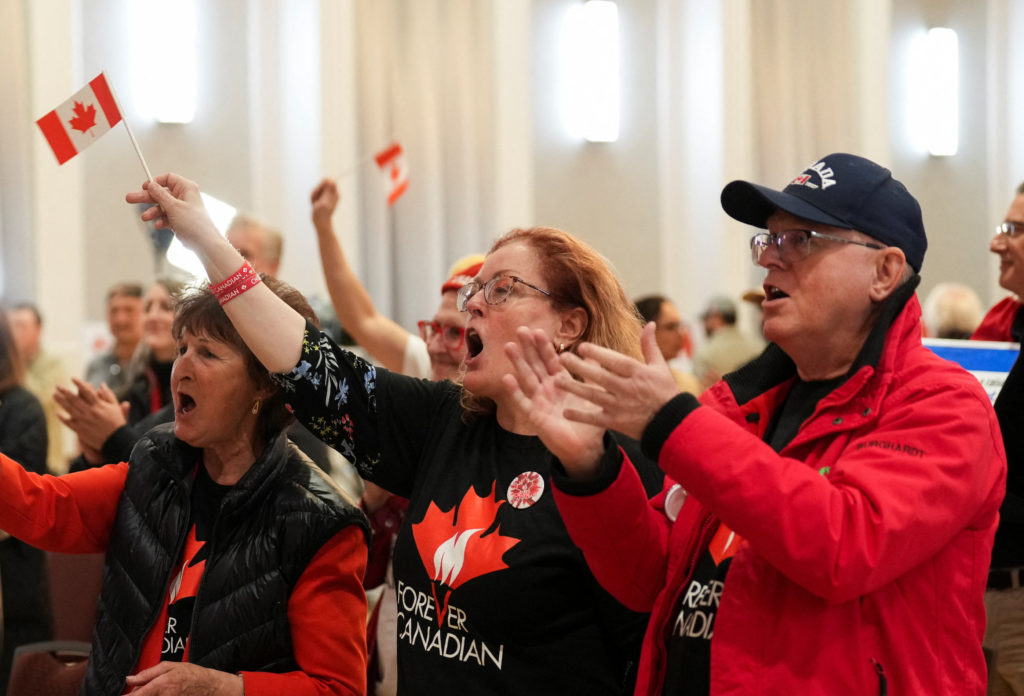
In Edmonton and other parts of the province, reactions varied from relief to resignation. Supporters of unity celebrated the result as a validation of their efforts to preserve national integrity. Separatist gatherings saw quiet acceptance of the defeat, with some organizers vowing to regroup. The coming weeks will likely see increased dialogue between federal and provincial authorities on how to better integrate Alberta’s interests into national policy. For now, the message from the ballot box is clear: Albertans have chosen to stay in Canada.
Sources behind this briefing
Go to the original reporting
- PBS NewsHour↗Alberta voters reject independence from Canada in victory for Carney
- BBC World↗'Great result for Canada', says Carney as Alberta votes to reject separatism
- The Guardian World↗Alberta voters overwhelmingly reject plan to leave Canada in referendum