The short version
- Student-led protests in Tirana turned violent as demonstrators set fire to a government ministry and two bank branches while clashing with police using teargas and water cannons.
- The unrest reflects growing dissatisfaction with Prime Minister Edi Rama’s administration, citing corruption allegations and inadequate support for higher education students.
- European Union officials expressed concern over the escalation, calling for de-escalation and investigations into alleged excessive force by security forces.
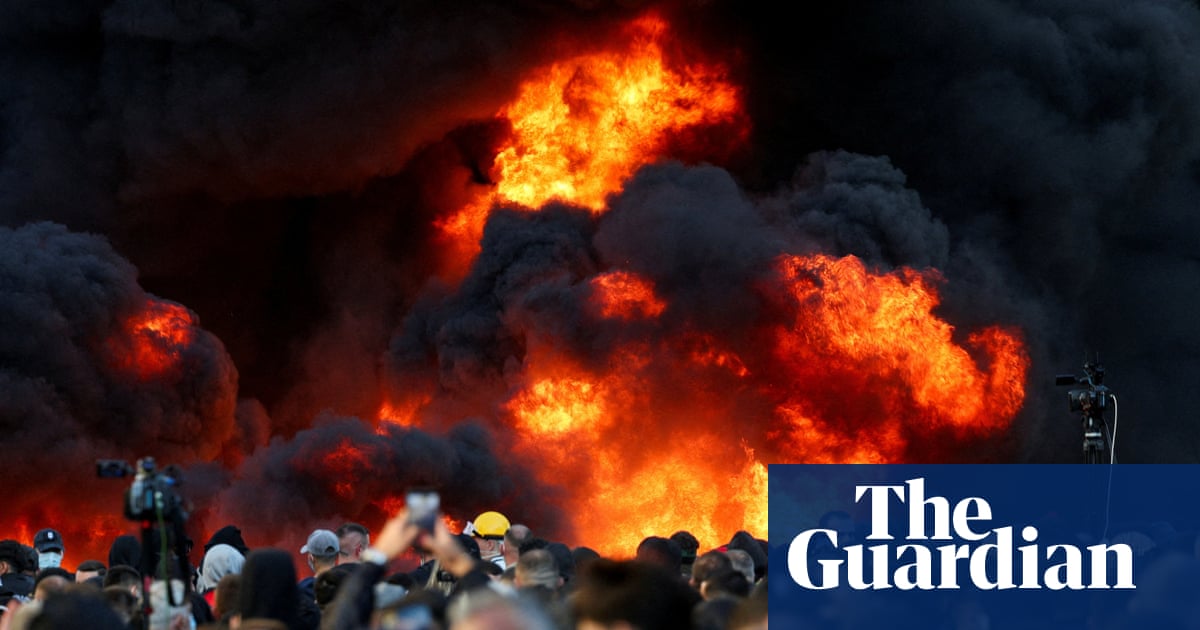
A significant shift in the political landscape of Albania occurred on Tuesday as tens of thousands of students converged on the streets of Tirana, transforming previously peaceful demonstrations into violent confrontations with law enforcement. The unrest, centered in the capital, involved demonstrators setting fire to a government building and two bank branches while hurling stones at police officers. Security forces responded by deploying water cannons and teargas to disperse the crowds, marking the most aggressive outbreak of dissent against Prime Minister Edi Rama since he secured his fourth term in office last May.
The immediate catalyst for the violence appears to be a combination of long-standing grievances regarding the cost of higher education and widespread perceptions of corruption within the government. Student organizers emphasized that their demands include improved conditions at universities, greater financial aid, and better employment prospects after graduation. These issues have resonated deeply with young Albanians who feel marginalized by current economic policies and political instability. The protests also reflect a broader wave of student activism sweeping across Europe, where similar concerns about educational quality and living standards are driving demonstrations in countries like France.
Among the targets of the demonstrators was the Ministry of Education building, which caught fire during the clashes. Nearby, a branch of Raiffeisen Bank near the ministry also became engulfed in flames, underscoring the intensity of the anger directed at both governmental institutions and financial entities perceived as complicit in systemic issues. Protesters overturned bins and smashed storefronts, causing significant damage to local businesses. This level of destruction has drawn sharp criticism from government officials, including Deputy Prime Minister Albana Koçiu, who condemned the violence while acknowledging the legitimacy of protest rights.
Prime Minister Edi Rama’s administration has faced mounting pressure since taking office, with critics pointing to alleged graft involving top officials and controversial development projects. One such project, a luxury resort along Albania’s southern coast backed by Jared Kushner, Donald Trump’s son-in-law, has been mired in legal disputes and public controversy. While this specific initiative was not directly cited as the cause of Tuesday’s violence, it symbolizes the broader discontent with perceived elitism and lack of transparency in decision-making processes. Protesters have dismissed opposition figures as unpalatable alternatives, suggesting a deep-seated frustration with the entire political spectrum.
The European Union, which Albania aims to join, voiced concern over the violent escalation in Tirana. A statement from the EU delegation highlighted allegations of excessive force used by police against protesters and journalists, urging all parties to de-escalate tensions. The delegation called for a prompt investigation into these claims, emphasizing the importance of maintaining order while respecting democratic rights. This international attention adds another layer of complexity to an already volatile situation, as Albania seeks to balance domestic stability with its aspirations for European integration.
Police authorities issued statements warning that individuals involved in violence or property destruction would face legal consequences. They stressed that each person bears individual responsibility for their actions, regardless of the context of the protest. Despite these warnings, the momentum behind the demonstrations shows no signs of waning, with reports indicating that the unrest has spread to universities in Elbasan and Shkodër. This geographic expansion suggests that the issues driving the protests extend beyond Tirana, reflecting nationwide dissatisfaction with current policies.
As the situation unfolds, questions remain about how the government will respond to these demands without further alienating its base or exacerbating tensions. The use of force by police risks inflaming public sentiment, potentially leading to more widespread unrest. Conversely, ignoring the protesters’ concerns could undermine efforts to address underlying socioeconomic challenges. Finding a middle ground that addresses legitimate grievances while maintaining public order will be crucial for restoring stability in Albania.
Looking ahead, the coming days will likely see continued scrutiny of both the government’s handling of the crisis and the effectiveness of student-led movements in effecting change. Whether these protests lead to meaningful reforms or result in prolonged instability remains uncertain. What is clear, however, is that the voices of young Albanians cannot be ignored any longer, as they demand accountability, transparency, and improved opportunities for future generations.
Sources behind this briefing
Go to the original reporting
- The Guardian World↗Student protests in Albania turn violent as demonstrators clash with police