The short version
- SpaceX imposed overnight speed limits on Starlink terminals used by Ukrainian military drones, disrupting operations.
- Ukrainian officials link the restrictions to political pressures and express concern over reduced intelligence sharing.
- The move coincides with intensified Russian missile strikes and diplomatic tensions involving U.S. President Donald Trump.
Ukrainian military forces have reported significant disruptions to their drone operations following the sudden imposition of speed limits on Starlink satellite internet terminals by SpaceX. The restrictions, which were implemented overnight without prior warning, have reportedly affected the performance of unmanned aerial vehicles (UAVs) used in both offensive and defensive missions. According to Serhii Beskrestnov, an adviser to Ukrainian President Volodymyr Zelenskyy, the speed caps have made slower-flying attack drones more vulnerable to Russian defenses, thereby reducing their effectiveness on the battlefield.
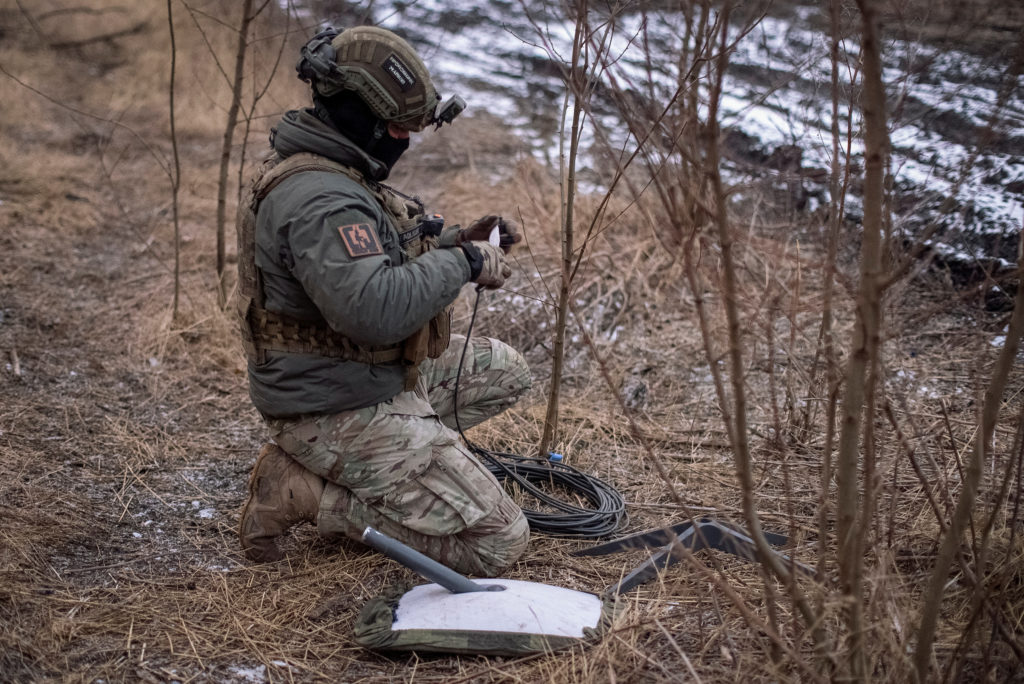
The Starlink network has become a critical component of Ukraine’s military infrastructure, facilitating long-range drone missions, air defense systems, and front-line logistics. The new limitations specifically impact terminals mounted on drones, causing signal failures at speeds above 160 km/h (approximately 100 mph). This threshold has been identified as a key factor in the degradation of operational capabilities, particularly for interceptors designed to counter Russia’s jet-powered drones. Military personnel have noted that even brief interruptions in connectivity can severely complicate control and navigation during flights.
Ukrainian officials have expressed deep concern over the timing and nature of these restrictions, suggesting they are not coincidental but rather linked to the current political climate. Beskrestnov stated on social media that the action appears connected to broader geopolitical dynamics, including pressures from U.S. President Donald Trump to make concessions to Moscow. Trump has recently criticized Ukraine’s drone strikes on Russian oil refineries and threatened to cut off vital intelligence sharing, although he later denied halting such support.
The disruption comes at a time when Ukraine is facing intensified Russian attacks on its energy infrastructure. Recent missile strikes have left hundreds of thousands without electricity, exacerbating humanitarian challenges and straining the country’s resilience. Ukrainian President Zelenskyy highlighted the lack of advance warning from Western partners regarding these attacks, raising fears that intelligence sharing may be diminishing. This perception has fueled anxieties in Kyiv about the reliability of U.S. support amid escalating diplomatic tensions.
SpaceX has not provided any official comment on the reported speed restrictions, leaving many questions unanswered. The company’s decision to limit data transmission speeds for military-grade Starshield packages marks a notable shift in its engagement with Ukraine’s defense efforts. Previously, these terminals had no such limitations, allowing for seamless communication and coordination during high-speed operations. The abrupt change has left Ukrainian forces scrambling to adapt their tactics and mitigate the impact on mission success rates.
The implications of these restrictions extend beyond immediate tactical disadvantages. They also raise broader concerns about the sustainability of technological support in prolonged conflicts. As Ukraine relies heavily on advanced tools like Starlink for maintaining operational superiority, any interference could have far-reaching consequences for its ability to defend against Russian aggression. The situation underscores the delicate balance between private sector involvement and national security interests in modern warfare.
In response to the disruptions, Ukrainian defense ministry sources are investigating the root cause of the connectivity issues while exploring alternative solutions to maintain operational effectiveness. Efforts are underway to reassess strategies for drone deployment and ensure that critical missions can still be executed despite the imposed limitations. However, the uncertainty surrounding future developments adds another layer of complexity to an already challenging conflict environment.
The intersection of technology and politics in this context highlights the evolving nature of contemporary warfare. With private companies playing increasingly prominent roles in supporting military operations, decisions made by entities like SpaceX carry significant weight on the battlefield. The recent speed restrictions serve as a reminder of how quickly external factors can influence the trajectory of a conflict, impacting both strategic outcomes and human lives.
As Ukraine continues to navigate these challenges, the international community remains watchful of developments involving Starlink and other forms of technological assistance. The outcome of this situation could set precedents for how similar technologies are utilized in future conflicts, shaping norms around corporate responsibility and state sovereignty. For now, Ukrainian forces remain focused on adapting to the new realities imposed by these restrictions while striving to uphold their defensive capabilities.
Ultimately, the sudden imposition of Starlink speed limits represents a pivotal moment in Ukraine’s ongoing struggle against Russian invasion. It reflects not only technical hurdles but also deeper geopolitical tensions that threaten to undermine allied support. Addressing these issues will require careful navigation of diplomatic channels and innovative approaches to overcoming technological barriers imposed by external actors.
Sources behind this briefing
Go to the original reporting
- PBS NewsHour↗Sudden Starlink limits sap Ukraine drone power as Kyiv fears U.S. intelligence squeeze
- Ars Technica↗Ukraine blindsided by Starlink throttling restrictions and intelligence gaps
- BBC News↗Starlink restrictions in Ukraine war linked to political situation, Zelensky aide says
- Reuters↗Ukraine says SpaceX limits Starlink operations, disrupting military