The short version
- The Australian Services Union has launched attack advertisements against Premier Ben Carroll while ceasing door-to-door campaigning for Labor candidates.
- The Electrical Trades Union redirected over $1.6 million in campaign funds to defend members facing scrutiny from a construction royal commission.
- Internal polling suggests Labor may lose significant ground, with the party trailing the Coalition on two-party-preferred votes ahead of November 28.
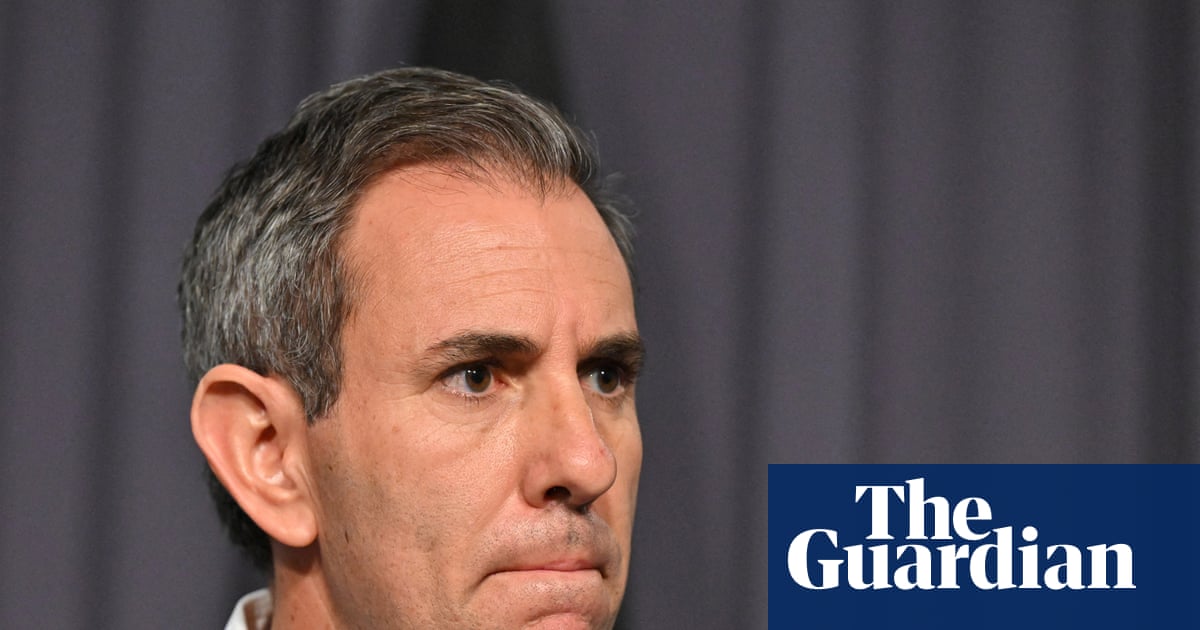
Two influential labor unions in Victoria have abruptly withdrawn their electoral support from the state government less than a month before the scheduled election. This development marks a significant fracture within the traditional alliance between organized labor and the ruling Labor Party, occurring as Premier Ben Carroll seeks an unprecedented fourth consecutive term. The withdrawal of support comes amid growing internal dissatisfaction and external pressures that threaten to reshape the political landscape in the lead-up to the November 28 vote.
The Australian Services Union (ASU) has initiated a direct advertising campaign targeting the premier, utilizing slogans that accuse him of dishonesty regarding policy commitments. The union confirmed it will not engage in door-knocking activities for Labor candidates during the final weeks of the election cycle. Instead, resources are being directed toward digital advertisements displayed across news platforms and search engines in key electoral districts. These include Carroll’s own seat of Niddrie, as well as marginal seats held by other senior government ministers.
The ASU’s actions stem from a dispute over council rate caps, which the union argues restricts local governments from funding adequate wage increases for municipal workers. Union leadership claims that a previous agreement to lift these caps was made with former premier Jacinta Allan but was subsequently rescinded by Carroll after he assumed leadership. The current secretary of the Victorian branch stated that workers feel ignored by the government and therefore cannot be expected to campaign on its behalf unless their demands are met.
Simultaneously, the Electrical Trades Union (ETU) has resolved not to run a statewide third-party campaign for Labor, despite having spent more than $1.6 million supporting the party in the previous election cycle. The union’s state council voted to reallocate these funds toward legal defense and preparation for members who may be called before a royal commission investigating corruption allegations in government construction projects. This decision reflects a strategic shift from political advocacy to organizational self-preservation.
The ETU had previously opposed the establishment of the royal commission, characterizing it as unnecessary and detrimental to blue-collar workers. Internal documents indicate that the union’s decision was influenced by polling data received in early October, which projected a significant decline in Labor’s seat count following the leadership change. The resolution explicitly cites concerns about potential attacks on unions from a Coalition government if Labor were to lose power.
Political analysts note that the silence from other union groups suggests a broader cooling of enthusiasm for Labor within the labor movement. While no other major unions have publicly announced similar withdrawals, sources indicate that many organizations have remained muted in their support compared to previous election cycles. This lack of unified backing could impact voter mobilization efforts in working-class constituencies where union influence is traditionally strong.
Current polling data places Labor behind the Coalition on a two-party-preferred basis, with projections showing 44 percent support for Labor against 55 percent for the Coalition. The rise of One Nation as a third force adds further complexity to the electoral arithmetic, potentially affecting seat outcomes in marginal areas. The uncertainty surrounding final results has heightened tensions within the party and its allied organizations.
Critics within Labor have dismissed the unions’ actions as petulant reactions to unmet demands, suggesting that the withdrawals are less about policy disagreements and more about factional disputes. However, the timing of these moves, coinciding with a leadership transition and an impending royal commission, underscores deep-seated anxieties about the party’s future viability. The premier’s office has been contacted for comment regarding the unions’ decisions.
As the election approaches, the absence of traditional union mobilization efforts may alter the dynamics of voter engagement in critical seats. The ASU’s willingness to resume campaigning if its policy demands are met highlights the transactional nature of this support. Meanwhile, the ETU’s focus on legal defense signals a long-term strategy that extends beyond the immediate electoral contest, reflecting broader concerns about regulatory and political risks facing organized labor.
The coming weeks will reveal whether these withdrawals significantly impact Labor’s ability to retain power or if other factors, such as economic conditions and candidate performance, will dominate voter decision-making. The situation illustrates the fragility of political alliances when faced with internal discord and external scrutiny, setting the stage for a closely contested election in Victoria.
Sources behind this briefing
Go to the original reporting
- The Guardian World↗Two key unions turn on Labor, running attack ads and pulling campaign funds a month out from Victorian election