The short version
- Inflation accelerated to 4.3% in September, largely driven by a sharp increase in fuel prices linked to geopolitical instability.
- The Reserve Bank is expected to raise interest rates for the fifth time this year, bringing the cash rate to its highest level since the global financial crisis.
- Voters remain skeptical of government explanations, with many blaming public spending rather than overseas events for rising living costs.
Australia’s economic outlook has darkened significantly as new data reveals an acceleration in inflation, setting the stage for another interest rate hike by the Reserve Bank. The Australian Bureau of Statistics reported that consumer price growth jumped from 4% to 4.3% in the September quarter. This increase was primarily fueled by a substantial surge in energy costs, with fuel prices rising 9.4% during the month and sitting 24% higher than they were a year prior. These figures confirm that households are facing intensifying financial pressure just as the central bank prepares to implement its fifth rate increase of the year.
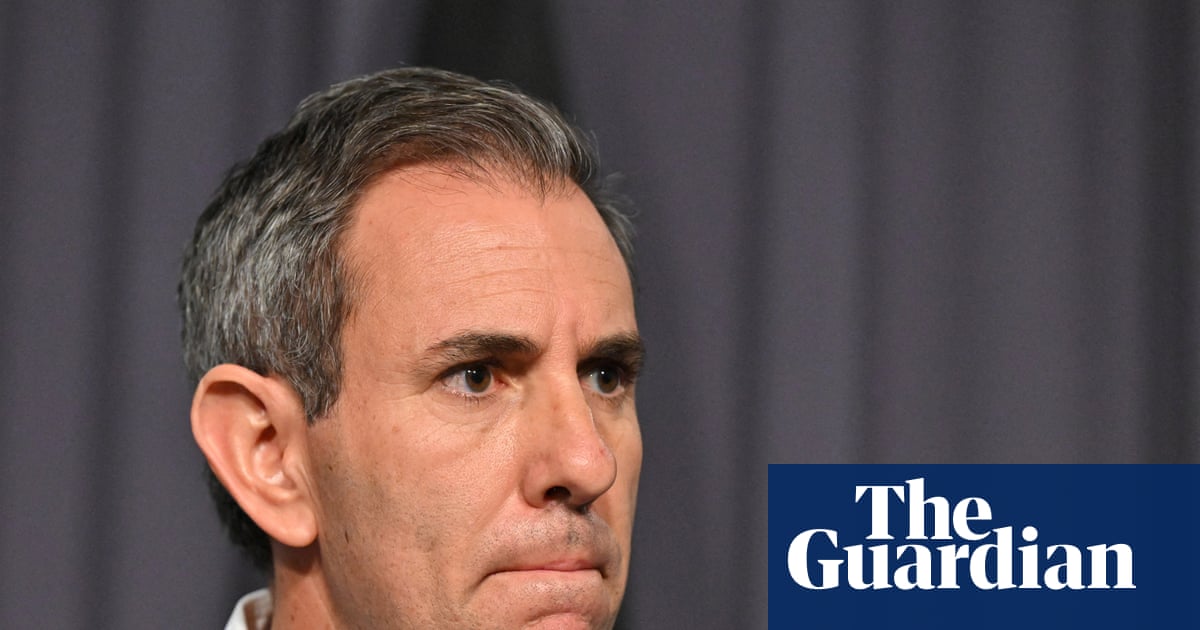
Treasurer Jim Chalmers has pointed to external factors, specifically the escalating conflict in the Middle East, as the primary driver behind these rising costs. He argues that the war on Iran has created a global oil shock that is beyond the control of the Australian government. Michele Bullock, the governor of the Reserve Bank, echoed this sentiment, noting that overseas developments are complicating the central bank’s efforts to return inflation to its target range of 2.5%. Both officials suggest that the current economic strain is largely imported rather than domestically generated.
However, public opinion does not align with this narrative. Recent polling indicates that voters are reluctant to accept blame placed on foreign events or global market forces. Nearly one-third of respondents identified government spending as the top cause of rising living costs. Only 24% attributed the inflation surge to overseas shocks like oil price volatility, while 19% cited supermarket pricing practices. This disconnect between official explanations and public perception highlights a growing credibility gap for the incumbent administration.
Critics argue that domestic fiscal policy has contributed to the problem. Economists, including Chris Richardson, have noted that government expenditure as a share of the economy is near record highs. They contend that such high levels of public spending are counterproductive when the goal is to reduce inflation. This perspective challenges Chalmers’ assertion that the government bears no responsibility for the recent cost-of-living spike. The tension between fiscal stimulus and monetary tightening creates a complex policy environment where neither side appears fully effective in isolation.
Beyond headline inflation, underlying price pressures are also rising. The Reserve Bank’s preferred measure of core inflation, which excludes volatile items like fuel, increased from 3.6% to 3.7% over the year to September. This suggests that inflationary forces are becoming more entrenched across the broader economy, not just in energy markets. Additionally, a boom in data center construction is injecting significant capital into an economy already struggling with labor and material shortages for housing and infrastructure projects.
The Reserve Bank’s response will be decisive. Officials have confirmed they are more concerned about inflation becoming persistent than about rising unemployment, which recently hit a five-year high. Consequently, the central bank is likely to raise the cash rate to 4.85% next Tuesday. This would mark the highest interest rate level since the global financial crisis in 2008. While Chief Economist Sarah Hunter stated there are no immediate signs of recession, the combination of high rates and rising unemployment places the economy in precarious territory.
For ordinary Australians, the practical implications are severe. Mortgage holders will face higher repayments just as petrol costs remain elevated. The convergence of these factors is contributing to a broader sense of pessimism about the future. Polling shows that 61% of Australians believe the country is on the wrong track, a figure that has been steadily climbing. Families are approaching the holiday season with little relief in sight, adding to entrenched economic anxiety.
The government now faces a difficult challenge ahead of December’s mid-year budget. Treasurer Chalmers must find a way to shift the narrative and address voter concerns without exacerbating inflationary pressures. With no obvious policy solutions available, the administration is under intense scrutiny to demonstrate fiscal responsibility while managing the fallout from global instability. The coming months will test whether domestic policy adjustments can mitigate the impact of external shocks and restore public confidence.
Despite the political friction, there is a shared acknowledgment that the geopolitical situation remains a critical variable. As Chalmers has noted, the end of the Middle East conflict cannot come soon enough for Australia’s economic stability. Until then, the interplay between global energy markets, domestic spending habits, and monetary policy will continue to shape the nation’s financial landscape. The path forward remains uncertain, with significant risks to both growth and price stability.
The upcoming rate decision serves as a pivotal moment for Australian economic management. It reflects the difficult trade-offs central banks face when balancing inflation control against employment concerns. As the cash rate climbs, the burden on households increases, potentially dampening consumer spending further. The effectiveness of future policy measures will depend heavily on how quickly global tensions ease and whether domestic fiscal discipline can be credibly demonstrated to a skeptical electorate.
Sources behind this briefing
Go to the original reporting
- The Guardian World↗Jim Chalmers is blaming Australia’s accelerating inflation on Trump – but voters aren’t buying it