The short version
- The ruling Labor party has committed to capping public transport fares at $30 per week if re-elected, with the policy taking effect on January 1.
- Commuters must currently use legacy Myki cards to access the cap, despite recent upgrades allowing contactless payments for other fare types.
- Critics and opposition leaders argue the measure is a short-term election tactic that fails to address long-term sustainability or service reliability.
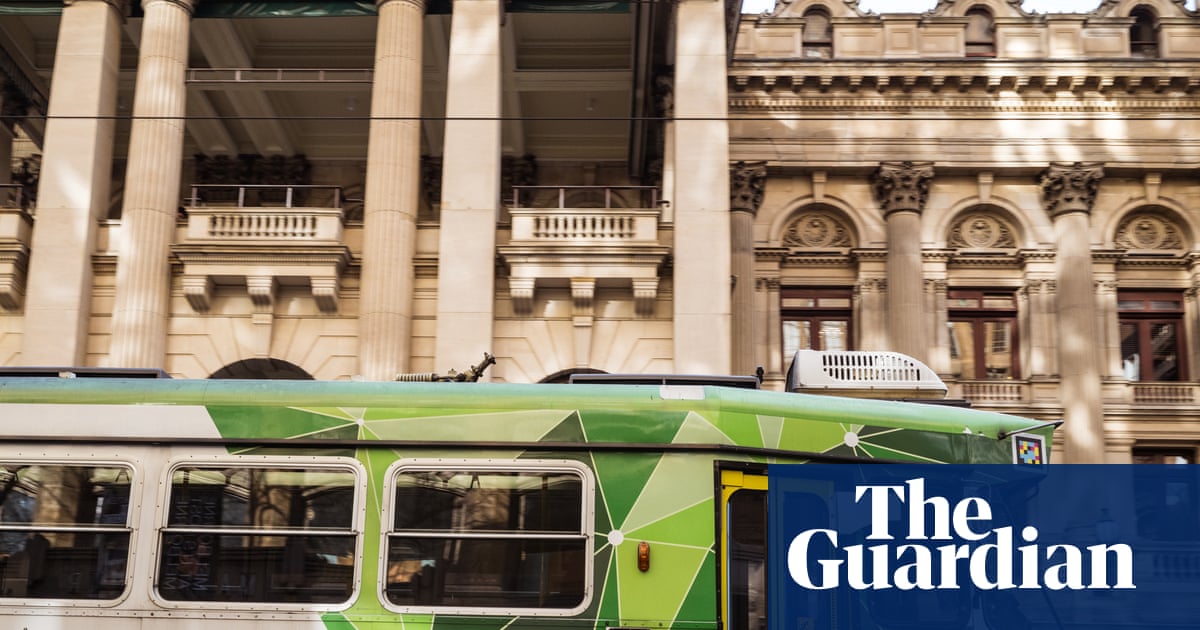
The Victorian government has announced a proposal to limit public transport costs for residents, setting a weekly cap of $30 for standard fares if the Labor party secures victory in the upcoming November election. Premier Ben Carroll confirmed that this measure would commence on January 1, immediately following the expiration of current half-price fare subsidies. These discounted rates were originally implemented as an emergency response to fuel price volatility triggered by geopolitical tensions between the United States and Iran. The new cap represents a shift from temporary crisis management to a structured, albeit limited, cost-of-living intervention.
Under the proposed framework, concession card holders would benefit from an even lower threshold, with fares capped at $15 per week. Existing exemptions for children and weekend travel for seniors would remain intact. Carroll estimated that regular commuters could save approximately $1,400 annually under this system. The government has allocated $206 million to fund the initiative over a two-year period, extending through December 2028. Officials have characterized the cap as an unsustainable long-term solution, indicating that it will be financed by reducing expenditures in other government areas rather than through permanent structural funding changes.
A significant logistical hurdle accompanies the policy announcement: commuters must utilize Myki cards to access the capped fares. This requirement persists despite the state’s recent completion of a system-wide rollout for tap-and-go payments, which allows concession holders to pay via bank cards, smartphones, or smartwatches. Public Transport Minister Vicki Ward acknowledged the inconvenience, advising residents to locate their existing Myki cards rather than discarding them. While she stated that the government intends to make the cap accessible through contactless methods as quickly as possible, no specific timeline was provided for this technical integration.
The announcement has drawn mixed reactions from policy experts and advocacy groups. Professor Hussein Dia of Swinburne University noted that the cap provides necessary budgetary certainty for households during a period of rising interest rates and fuel costs. However, he cautioned that the financial relief would not be distributed equitably across the state. Dia argued that residents in outer suburban areas, who often face poorer public transport connectivity, may derive significantly less benefit than those in well-served urban centers, despite facing similar economic pressures.
Juanita Pope of the Victorian Council of Social Service welcomed the proposal, highlighting its potential positive impacts on household budgets, road congestion, and environmental goals. Her organization has long advocated for reduced transit costs, viewing the cap as a step in the right direction. Nevertheless, the policy falls short of the demands from some political factions. Greens leader Ellen Sandell criticized the measure as insufficient, urging the government to eliminate fares entirely rather than offering a temporary discount with an expiration date.
Sandell emphasized that voters are increasingly frustrated with perceived declines in service quality alongside rising costs. She called for more frequent, reliable, and accessible transit options, suggesting that fare reductions alone do not address underlying infrastructure issues. The opposition Coalition has also seized on the announcement, with leader Jess Wilson dismissing it as a late-stage electoral maneuver. Wilson pointed to Labor’s history of increasing tolls during their twelve years in power, arguing that voters cannot trust the government to deliver genuine long-term savings.
The fare cap proposal follows a similar pledge by Labor to limit road tolls to $30 per week for one year, a move designed to save frequent drivers up to $5,000. The Coalition had previously committed to a higher $50 weekly cap if elected. Wilson characterized Labor’s actions as imitation rather than innovation, suggesting that the promises are designed to flatter voters without addressing systemic financial mismanagement. As the election approaches, the debate centers on whether these temporary caps provide meaningful relief or merely delay necessary structural reforms in transport funding and service delivery.
The timing of the announcement is strategic, arriving just weeks before voters head to the polls. The government faces the challenge of balancing immediate cost-of-living pressures with long-term fiscal responsibility. While the cap offers a clear financial benefit for many commuters, questions remain about its sustainability beyond 2028 and its effectiveness in serving all demographics equally. The requirement to use outdated payment technology further complicates the rollout, potentially limiting uptake among those who have already transitioned to modern contactless systems. As the campaign intensifies, the focus will likely shift to how these policies translate into tangible improvements for everyday travelers.
Sources behind this briefing
Go to the original reporting
- The Guardian World↗Labor promises $30 weekly cap for Victorian public transport amid push for free travel