The short version
- The Law Enforcement Conduct Commission has begun reviewing allegations of police brutality at a February rally in Sydney, finding early stages were largely peaceful with minimal physical violence from demonstrators.
- Investigators are examining specific concerns including the use of chemical sprays on vulnerable individuals, alleged kettling tactics, and reports of officers boasting about using gratuitous force.
- Charges against several protesters have been withdrawn following a court ruling that declared the assembly restrictions used to justify police actions unconstitutional.
An official inquiry into a contentious demonstration in Sydney has commenced, focusing on allegations of excessive police force during a rally opposing the visit of Israeli President Isaac Herzog. The Law Enforcement Conduct Commission (Lecc) opened its public hearing by outlining preliminary findings that suggest the protest was predominantly non-violent in its initial phases. Counsel assisting the commission stated that evidence gathered so far indicates limited physical aggression from demonstrators, with later confrontations largely consisting of verbal exchanges related to attempts to march.
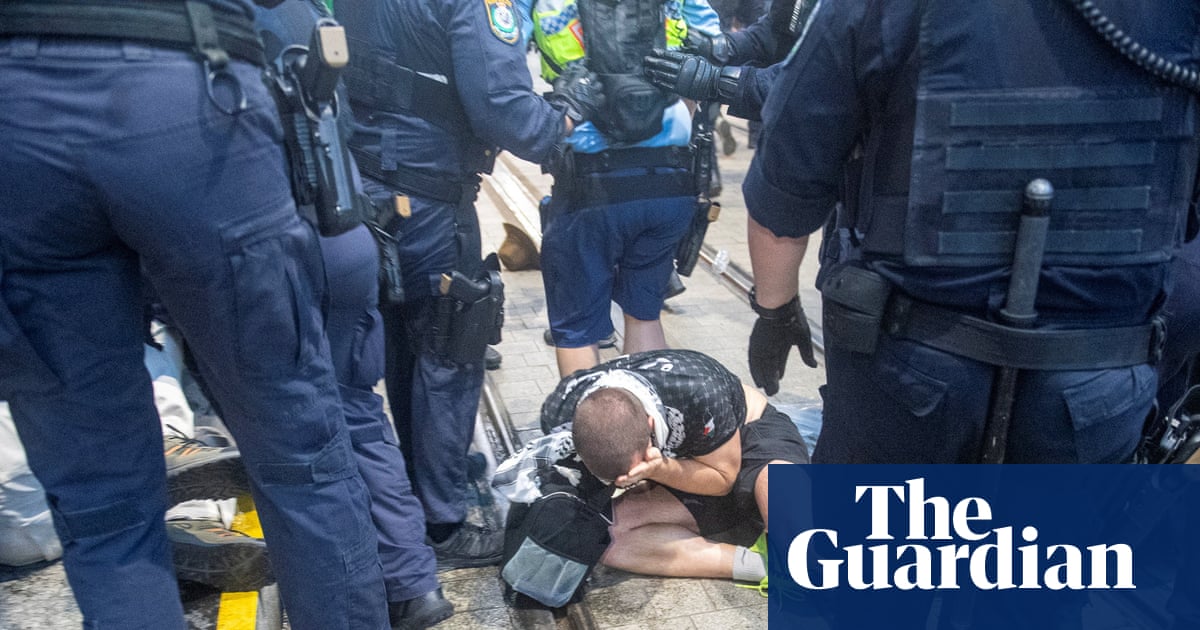
The investigation follows widespread public concern sparked by viral video footage depicting officers punching protesters and physically removing Muslim worshippers during sunset prayers. These incidents prompted hundreds of complaints and led the watchdog to review approximately one thousand hours of body camera and surveillance footage. The commission is now tasked with determining whether the reported misconduct was isolated or indicative of broader systemic issues within the police force.
Key areas of scrutiny include the deployment of OC spray, particularly against individuals with mobility impairments and in close proximity to faces. Investigators are also examining allegations that officers engaged in frequent pushing and shoving during crowd dispersal, moved aggressively toward fleeing demonstrators, and utilized containment tactics often described as kettling. Additionally, the commission is looking into reports of some officers boasting about using unnecessary force, raising questions about accountability and professional standards.
The legal context of the protest has shifted significantly since the event took place in February. Police initially charged around thirty individuals with offenses such as hindering arrest and assaulting officers, relying on a Public Assembly Restriction Declaration (PARD) to justify their actions. However, the state’s highest court subsequently ruled this declaration unconstitutional two months after the rally. As a result, charges against nearly a dozen protesters have been withdrawn, reducing the number of individuals facing a joint hearing scheduled for mid-2027.
The inquiry is also probing the command structure and decision-making processes that guided police operations on the night in question. Witnesses recall a briefing held with senior officers, including then-commissioner Mal Lanyon, where instructions were given to keep the protest static and prevent any marching. However, no recordings or written notes from this critical meeting were produced, complicating efforts to establish what directives were issued and how they influenced frontline behavior.
Defense counsel for the police commissioner highlighted the challenging conditions faced by officers, citing an unprecedented level of serious verbal abuse directed at law enforcement personnel. Despite these difficulties, the defense argued that many positive acts of policing occurred before and during the event. The commission has acknowledged instances where officers showed care toward elderly and vulnerable protesters, as well as concern for individuals near potential hazards.
The hearing process itself faced delays after the police commissioner requested that all examinations be held in private, a move that postponed the start of the inquiry by nearly a month. The commission agreed to hold portions of the hearing privately but maintained public access for the opening address. This partial transparency aims to balance the need for thorough investigation with the protection of sensitive operational details.
As the five-week private examination phase begins, the commission will delve into specific case studies, including an incident involving a man in his sixties who was struck in the face and the controversial removal of worshippers during prayer. These detailed reviews will help determine whether senior officers sanctioned or encouraged the conduct observed on the ground.
The outcome of this inquiry could have significant implications for police accountability and protest management policies in New South Wales. With the legal basis for the original restrictions now invalidated, the focus shifts entirely to the proportionality and necessity of the force used. The findings will inform future guidelines for handling large-scale demonstrations and address public concerns about civil liberties and law enforcement conduct.
Stakeholders await the commission’s final report with interest, as it may reshape how authorities approach similar events in the future. The balance between maintaining public order and respecting constitutional rights remains a central theme, especially given the heightened tensions surrounding international diplomatic visits. The inquiry serves as a critical mechanism for restoring trust and ensuring transparency in policing practices.
Sources behind this briefing
Go to the original reporting
- The Guardian World↗‘Limited evidence’ of protester violence at Sydney demonstration against Israeli president Isaac Herzog visit