The short version
- Garcés Pérez underwent surgery to remove a bullet lodged near his spine after being shot by an ICE agent in Austin.
- Conflicting narratives exist regarding whether the driver struck an officer or was hit by a police vehicle during the incident.
- The case has intensified local opposition to federal immigration tactics, with critics citing the lack of body camera footage.
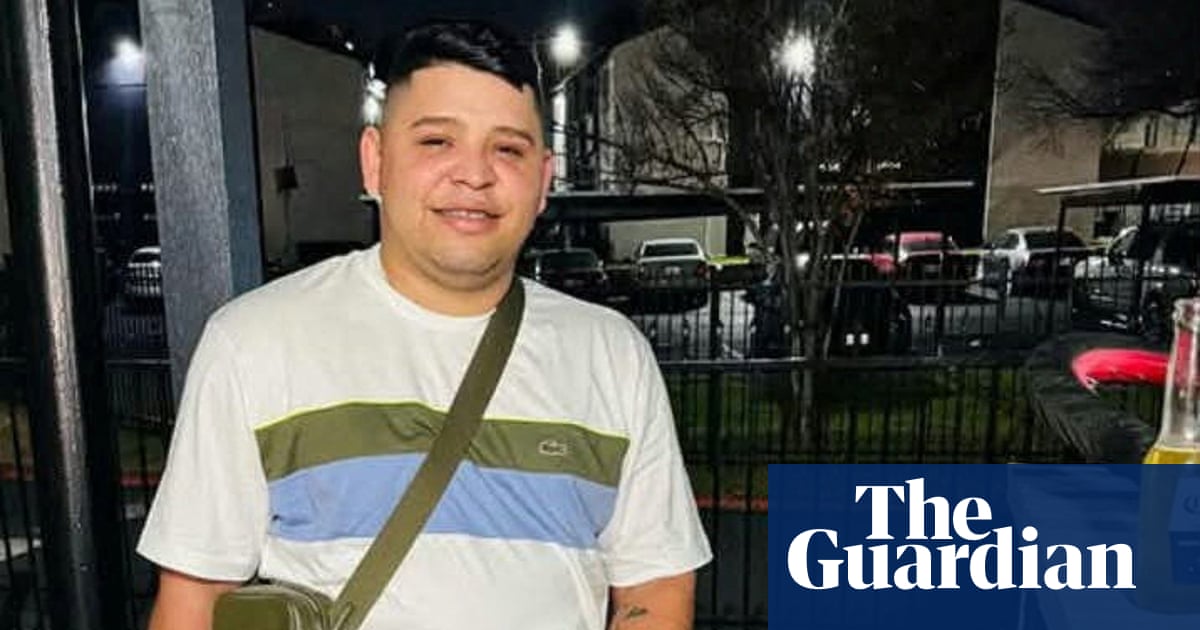
Wilber Rafael Garcés Pérez, a twenty-eight-year-old Venezuelan national working as a delivery driver in Austin, Texas, underwent surgery on Thursday to remove a bullet that had been lodged in his back for nearly two weeks. The procedure was performed while he remained in federal custody, marking a critical medical intervention following a violent encounter with Immigration and Customs Enforcement agents last month. Legal representatives indicated that the operation was necessary due to concerns that the projectile, positioned close to his spine, posed a significant risk of permanent nerve damage or loss of sensation on the left side of his body.
The shooting occurred on September 20 during a traffic stop in Austin. According to federal authorities, Garcés Pérez attempted to evade arrest by driving away after being questioned. Officials allege that he struck an ICE officer with his vehicle’s side mirror before the agent discharged his weapon. In contrast, Garcés Pérez has stated that he was struck by a law enforcement SUV, causing his car to spin out of control before he was shot. These diverging accounts have become central to the legal and public discourse surrounding the incident, highlighting the difficulties in establishing a single factual narrative when official body camera footage is absent.
The federal officer involved in the shooting was not wearing a body camera at the time of the incident, a detail that has drawn sharp criticism from advocates and community members. While bystander video captured portions of the aftermath, including ICE agents calling for medical assistance and local police providing first aid while Garcés Pérez sat wounded in his vehicle, the crucial moments leading up to the discharge of the weapon remain undocumented by official agency equipment. This lack of visual evidence has fueled skepticism regarding the government’s version of events and intensified calls for greater transparency in federal enforcement actions.
Following the shooting, Garcés Pérez was initially treated at a local hospital but was transferred to a detention facility approximately 140 miles away on the same day. He appeared in court on Wednesday using a wheelchair and wearing a sling on his arm, facing charges of assaulting an officer while attempting to evade arrest. If convicted, he could face up to twenty years in prison. In addition to the criminal charges, he remains subject to deportation proceedings, compounding the legal pressures he faces as he recovers from his injuries.
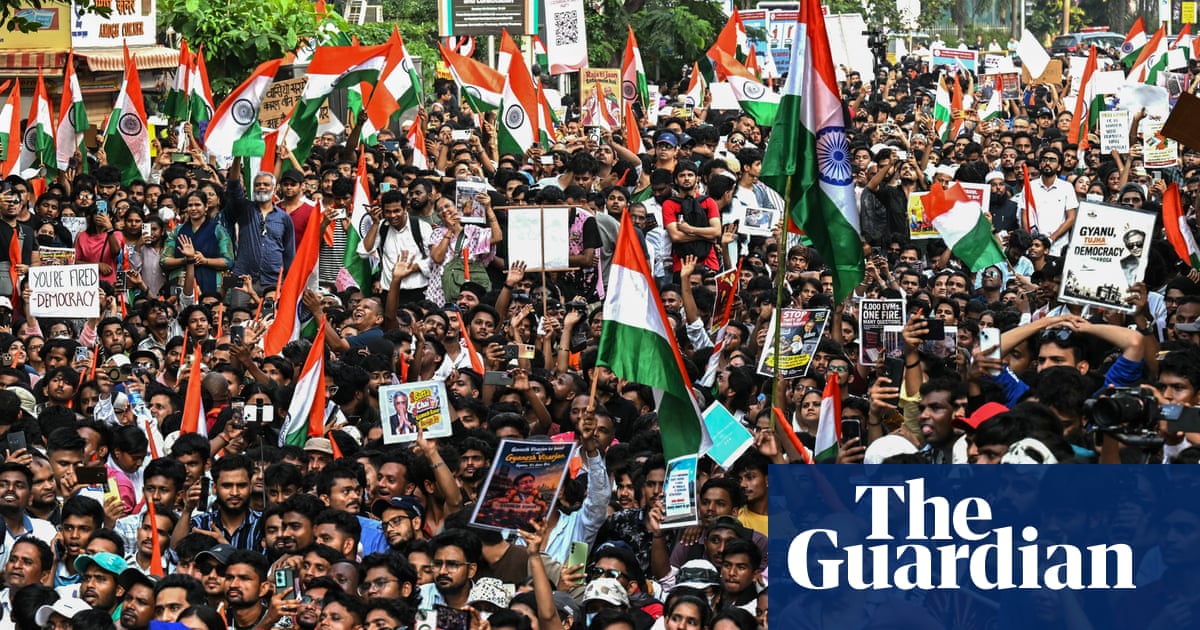
The incident has sparked widespread outrage and protests in Austin, with demonstrators targeting the broader context of Donald Trump’s immigration crackdown. Critics argue that the conduct of federal officers in this case reflects a pattern of aggressive enforcement tactics that lack adequate oversight. The shooting is being viewed as part of a larger series of confrontations involving ICE agents, raising questions about the use of lethal force and the accountability mechanisms in place for federal immigration personnel.
Supporters and legal advocates had lobbied intensely for Garcés Pérez to receive surgical intervention, emphasizing the medical urgency of removing the bullet before it caused irreversible harm. Fabiana Meléndez Ruiz, a spokesperson for his legal team, confirmed that the surgery was successful and that Garcés Pérez is currently recovering under the supervision of the US Marshals Service. The decision to keep him in custody rather than releasing him on bond or allowing him to receive care in a less restrictive setting has been a point of contention for his family and allies.
The case underscores the complex intersection of immigration enforcement, criminal law, and public health. As Garcés Pérez recovers, the legal proceedings will likely hinge on the credibility of the conflicting witness statements and any forensic evidence that can be gathered from the scene. The absence of body camera footage means that investigators must rely heavily on testimonial evidence, which is inherently subjective and prone to interpretation.
Community leaders in Texas continue to monitor the situation closely, viewing it as a test case for how federal agencies respond to scrutiny regarding their use of force. The protests in Austin have drawn attention to the human cost of immigration policies and the potential for escalation during routine traffic stops. As the legal process moves forward, the outcome could set precedents for future cases involving similar allegations of excessive force by federal agents.
The broader implications of this incident extend beyond the immediate legal charges against Garcés Pérez. It highlights the tensions between local communities and federal enforcement bodies, particularly in regions where immigration raids and stops are frequent. The lack of transparency in the initial response and the subsequent detention of a wounded individual have raised ethical questions about the prioritization of enforcement over humanitarian concerns.
As the investigation continues, attention remains on whether disciplinary actions will be taken against the involved officer and whether policy changes will be implemented to prevent similar incidents. The case serves as a focal point for ongoing debates about immigration reform and the need for clearer guidelines regarding the use of force by federal agents. The resolution of this matter could influence public perception of ICE operations and shape future legislative efforts aimed at increasing accountability.
Sources behind this briefing
Go to the original reporting
- The Guardian World↗Man shot by ICE in Texas has surgery to remove bullet lodged in his back