The short version
- Thousands of demonstrators gathered in Mumbai and Delhi to protest the Special Intensive Revision process, which has removed tens of millions of citizens from electoral registers.
- Authorities responded with significant force, including internet shutdowns, metro closures, and mass detentions of over seven hundred individuals at key protest sites.
- The youth-led movement, previously successful in forcing an education minister’s resignation, now targets Chief Election Commissioner Gyanesh Kumar for his role in the controversial voter roll changes.
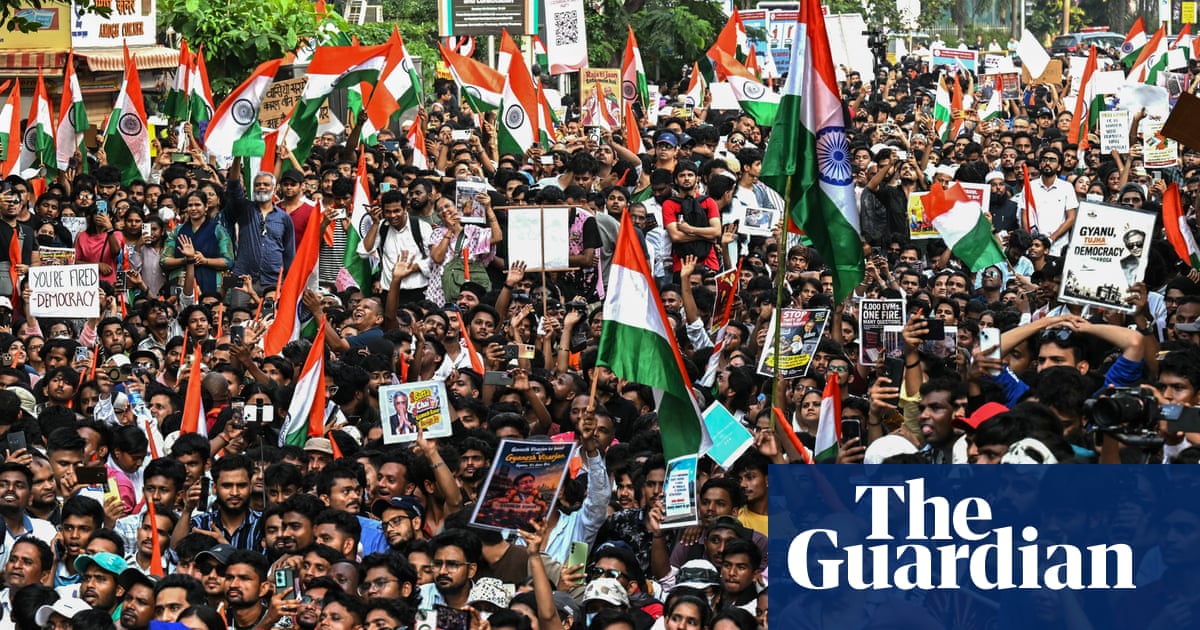
A significant wave of civil unrest has swept across India as the youth-dominated Cockroach Janta party launched renewed nationwide protests on Friday. The demonstrations were triggered by growing alarm over the Special Intensive Revision, a process overseen by Chief Election Commissioner Gyanesh Kumar that has resulted in the removal of tens of millions of names from the national electoral register. Participants argue that these deletions constitute an unfair stripping of voting rights for millions of citizens, potentially undermining the integrity of upcoming elections.
The movement, which originated as online satire before evolving into a potent political force among Generation Z voters, has returned to the streets with specific demands. Central to their agitation is the call for Kumar’s immediate resignation. This follows allegations reported by the Indian Express regarding irregularities and internal concerns within the election commission concerning the so-called purification of voter rolls. The group views the current actions as a direct threat to democratic participation and seeks to reverse the changes implemented under Kumar’s leadership.
In Mumbai, thousands assembled despite authorities denying permission for the gathering at Shivaji Park. A heavy police presence monitored the crowd, which included many young activists determined to challenge what they perceive as authoritarian overreach. Protesters emphasized that voting is a fundamental right currently under attack by state institutions. They argued that the scale of deletions from the voter list effectively disenfranchises large segments of the population, rendering them unrecognized as full citizens in the electoral context.
The situation in Delhi was marked by even more severe restrictions. Police deployed thousands of officers to Jantar Mantar, a site central to previous agitations earlier this year. Authorities closed dozens of metro stations in the surrounding area and imposed an internet shutdown to curb coordination among demonstrators. Hundreds of individuals who arrived at the protest site were immediately detained and loaded onto police buses. These mass arrests included civil society leaders and opposition politicians, drawing sharp criticism from rights advocates who accused law enforcement of violating fundamental democratic freedoms.
Abhijeet Dipke, the founder of the Cockroach Janta party, framed the current struggle as a continuation of historical resistance against oppressive power structures. He compared the movement’s defiance to Mahatma Gandhi’s fight against British colonial rule, noting that permission was never granted for such historic agitations either. Dipke had previously warned that if Kumar did not step down following the revelations about the election commission, the group would resume its agitation until that demand was met. The Mumbai event was intended to serve as the catalyst for further protests planned in Goa, Kolkata, and Bengaluru.
Participants at the rallies expressed confidence in their ability to influence high-level government decisions, citing their previous success in July when sustained pressure led to the resignation of the education minister. Young activists stated that the movement had awakened a new political consciousness among India’s youth. They vowed to resist any attempts to manipulate electoral outcomes or disenfranchise voters, positioning themselves as a persistent check on governmental power. The group has declared its intention to remain active as a pressure organization focused on education and democratic accountability.
Opposition politicians have aligned with the street protests, alleging that the Special Intensive Revision is part of a broader strategy to manipulate the electoral system in favor of the ruling Bharatiya Janata party. All opposition lawmakers plan to march to the election commission’s office in Delhi next week to demand Kumar’s resignation. This convergence of grassroots activism and political opposition highlights the deepening crisis surrounding India’s electoral integrity.
In response to the mounting pressure, the election commission has denied any wrongdoing related to the revision process. However, officials have directed staff to expedite the registration of newly eligible voters and those who claim they were wrongly omitted from the rolls. This move appears designed to ease tensions without reversing the core changes or addressing the specific allegations of irregularity. The coming weeks will likely see continued friction between state authorities and a mobilized citizenry determined to protect voting rights.
The scale of the deletions remains a point of contention, with critics arguing that the sheer number of removed voters suggests systemic bias rather than routine administrative cleanup. While the government maintains that the process is necessary for accuracy, civil society groups view it as an erosion of democratic norms. The heavy-handed police response in Delhi, including the detention of hundreds of protesters, has further inflamed public sentiment and underscored the high stakes involved in this political confrontation.
As the protests spread to other major cities, the focus remains squarely on Gyanesh Kumar’s tenure. The movement’s ability to sustain momentum will depend on continued public support and the response from state institutions. With opposition parties joining the fray and international attention growing, the pressure on the election commission is intensifying. The outcome of this standoff could have lasting implications for India’s democratic framework and the role of youth activism in national politics.
Sources behind this briefing
Go to the original reporting
- The Guardian World↗India’s Cockroach movement launches new protests over changes to voter roll