The short version
- The Department of Agriculture announced an eight billion dollar program to help farmers cover losses from elevated diesel costs.
- Additional funding includes fifty seven million dollars for rancher meat processing and nearly half a billion in commodity purchases.
- Producers remain frustrated by previous policy rollbacks, persistent droughts, and the lack of a new comprehensive farm bill.
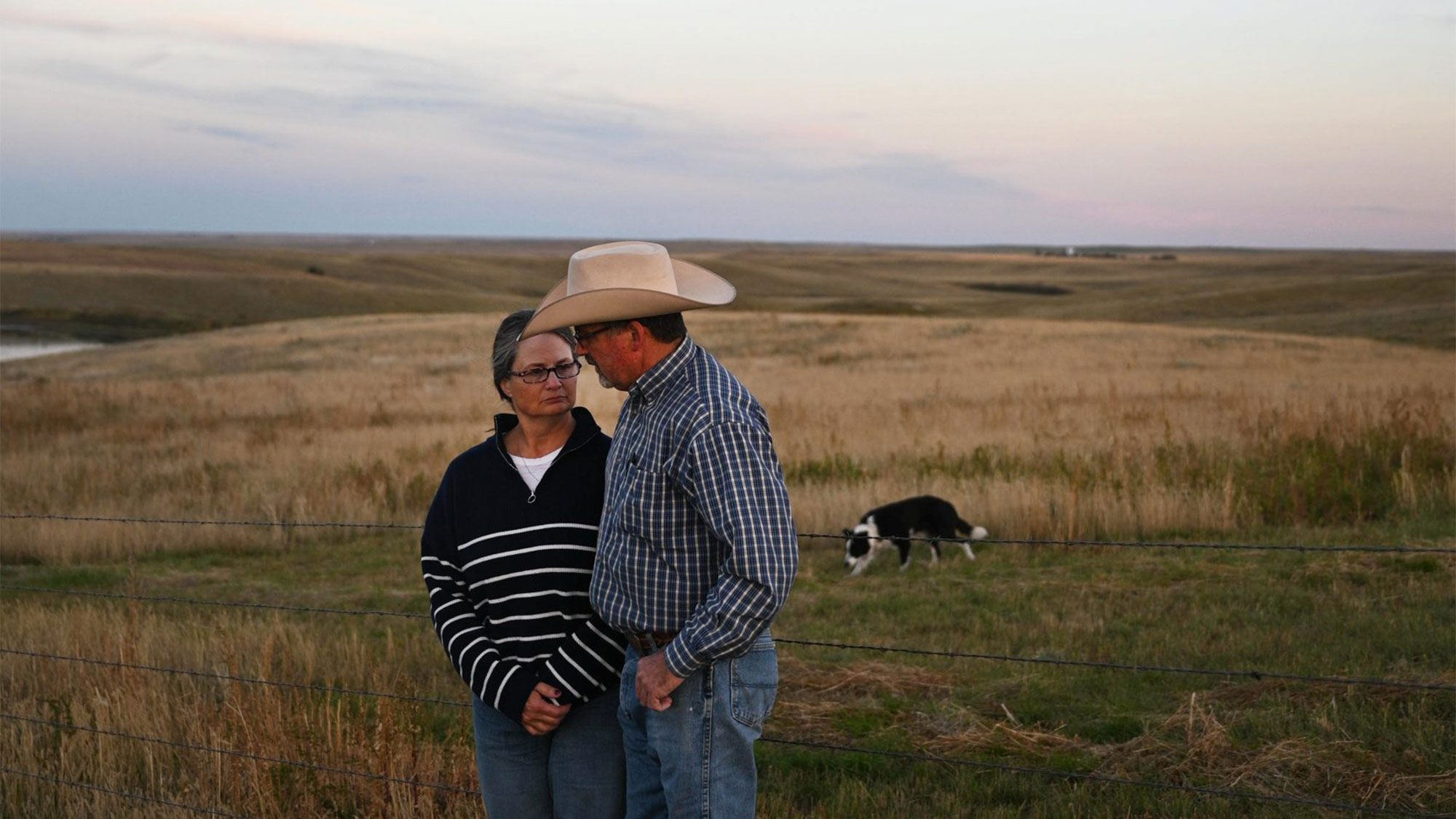
The United States Department of Agriculture has released billions of dollars in financial support for agricultural producers just weeks before the midterm elections. This sudden influx of capital follows a period marked by program reductions, policy uncertainty, and growing dissatisfaction among farmers and ranchers who have historically supported the current administration. The timing suggests an effort to address mounting economic pressures within the sector while securing political goodwill ahead of voting day.
The centerpiece of this new assistance is an eight billion dollar initiative designed to compensate farmers for losses incurred due to rising diesel prices. Agricultural operations rely heavily on diesel fuel for tractors, combines, and transport trucks. Costs have surged recently, partly driven by supply chain disruptions linked to the ongoing conflict in Iran. A congressional report led by Democrats estimated that U.S. farmers could spend an additional two point four billion dollars on diesel specifically because of this war.
Despite the large sum, the mechanics of how these funds will be distributed remain vague. The department stated it intends to provide simple and proportional support for losses during the twenty twenty six crop year. Officials indicated that they are currently reviewing data to finalize payments, which are expected to be processed soon. However, critics argue that the lack of clear application processes leaves producers in limbo, mirroring earlier frustrations when agency webpages with critical climate planning information were removed.
In addition to the diesel relief fund, the department announced fifty seven million dollars specifically for ranchers. This money is intended to help independent producers expand their meat processing capacity. Furthermore, the agency revealed plans to purchase nearly five hundred million dollars worth of agricultural commodities from domestic producers. These measures appear aimed at boosting immediate cash flow and stabilizing markets for those struggling with thin margins.
The announcement comes after a difficult two years for the agricultural sector. Cattle ranchers have faced historically low herd sizes exacerbated by persistent droughts, while beef prices have climbed to record highs since the pandemic. Previous attempts by the administration to lower consumer beef costs through increased imports have drawn criticism from ranchers who feel these trade deals undermine their business models. Many producers view such policies as detrimental rather than helpful.
Tensions were further inflamed earlier this month when the department removed solar energy options from a popular renewable energy grant program. This decision hindered farmers seeking to reduce utility bills and generate income through on-site power generation. The contrast between cutting off access to clean energy incentives while simultaneously providing billions for fossil fuel dependent operations has drawn sharp criticism from environmental advocates and sustainable agriculture groups.
Leaders within the farming community have expressed skepticism about whether these late-stage interventions will resolve deeper structural issues. Aaron Lehman, president of the Iowa Farmers Union, noted that producers have needed assistance for months and should not have been placed in such a precarious position. Mike Lavender of the National Sustainable Agriculture Coalition described the payments as an inadequate solution, pointing to record high farm bankruptcies and increasing debt loads among producers.
Compounding these challenges is the absence of a new comprehensive farm bill. The previous legislation, passed in twenty eighteen, controls essential aspects of agricultural policy including crop insurance and conservation programs. Competing versions of a replacement bill are currently under consideration, leaving many safety nets and support structures in legal limbo. Until a new framework is established, farmers must navigate an uncertain regulatory environment while dealing with immediate financial pressures.
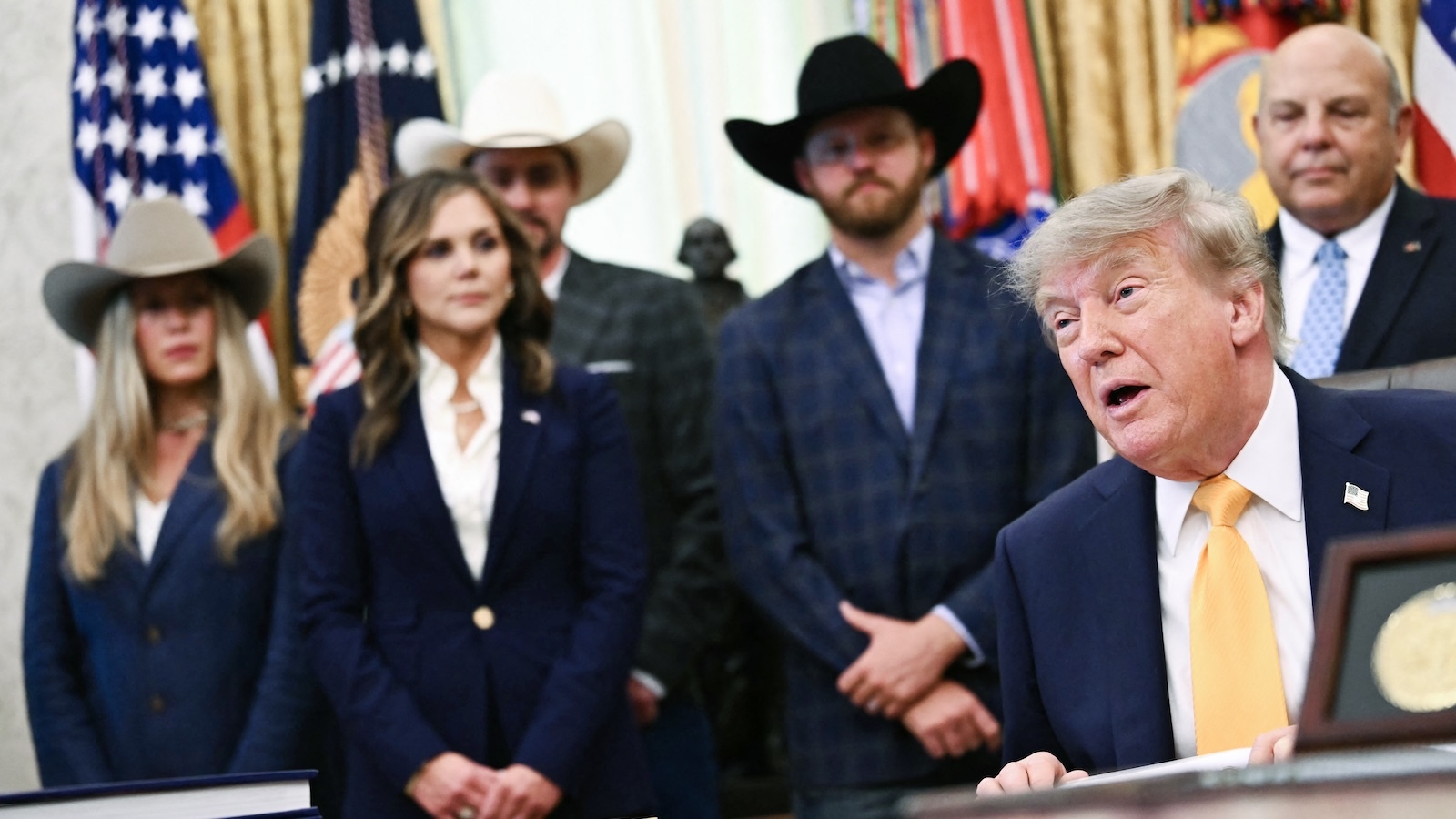
The administration maintains that these actions demonstrate a strong commitment to supporting American agriculture. Officials have characterized the president as highly favorable to farmers throughout his tenure. However, the disconnect between policy rhetoric and on-the-ground realities remains evident. With election day approaching, it remains unclear if these financial injections will sufficiently alleviate the stress felt by producers or merely serve as temporary political maneuvering.
As the agricultural sector braces for the next phase of economic and political shifts, the focus turns to how quickly funds can be disbursed and whether they address root causes. The interplay between global conflicts, domestic policy decisions, and environmental factors continues to shape the viability of farming operations across the country. Stakeholders await further details on implementation while monitoring developments in legislative negotiations.
Sources behind this briefing
Go to the original reporting
- Grist↗Trump cut funding for farmers — then unlocked billions for them before Election Day