The short version
- The US women’s national team avoided a second consecutive home loss by drawing Spain 2-2, thanks to second-half goals from Ashley Sanchez and Mallory Swanson.
- Defensive lapses allowed Spain to take a 2-0 lead early in the second half, exposing structural issues despite the absence of key players on both sides.
- Head coach Emma Hayes acknowledged the team is still in progress, noting that Spain remains the first opponent in decades capable of outclassing the US squad.
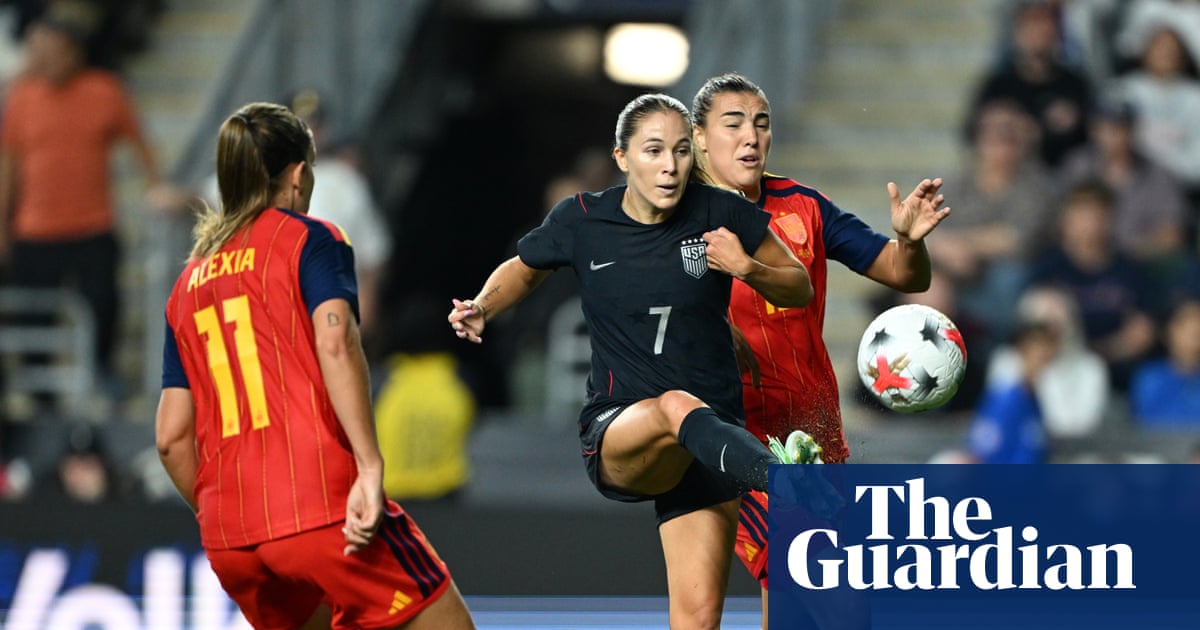
The United States women’s national soccer team managed to salvage a draw against Spain on Tuesday night in Chester, Pennsylvania, avoiding what would have been a historic string of home defeats. The match ended 2-2, with second-half goals from Ashley Sanchez and Mallory Swanson halting a collapse that had seen the US trail by two goals. While the result prevented further embarrassment following a heavy loss earlier in the week, the performance offered little comfort regarding the team’s current form. With the 2027 World Cup less than nine months away, the encounter served as a stark reminder of the gap between the US and the world’s top-ranked side.
Spain, the defending World Cup champions, controlled much of the game despite missing star player Aitana Bonmatí. The visitors capitalized on defensive errors to build an insurmountable lead before the US bench made significant changes. Alexia Putellas opened the scoring with a close-range finish after a patient passing sequence, while Salma Paralluelo doubled the advantage following a misplaced pass from US goalkeeper Phallon Tullis-Joyce. These goals highlighted persistent issues in central defense, particularly with Naomi Girma and Sam Coffey sidelined. The absence of these key figures left the backline exposed to Spain’s rapid transitions and precise finishing.
The turning point arrived when head coach Emma Hayes introduced players who had been absent from international duty for extended periods. Sanchez, who had not scored in over four years, and Swanson, returning after more than two years without a goal, both found the net in the second half. Sanchez rounded her defender to score on a counterattack initiated by Lindsey Heaps and Sofia Wilson. Later, Swanson finished from the edge of the area after a long ball from debutant Kate Del Fava reached Michelle Cooper. These contributions shifted momentum slightly, allowing the US to create chances in the final minutes, including a late effort by Lily Yohannes that was parried wide.
Hayes emphasized that the outcome did not reveal new information about her team’s standing relative to global competitors. She described Spain as world-class and noted that the US is still in progress. The coach made four changes to the starting lineup from the previous match against Spain, attempting to shore up the defense with Gisele Thompson and adjust midfield dynamics with Sanchez and Claire Hutton. Despite these adjustments, the team struggled to contain Spain’s attack until the latter stages of the game. Hayes praised the fearlessness of the second-half group but acknowledged the need for continued development.
The broader context of this friendly series is critical. The US has faced elite opponents throughout the year with mixed results against teams like Japan, Brazil, and Canada. However, Spain represents a different tier of competition, one that can legitimately outclass the Americans in both possession and execution. This dynamic challenges the long-held assumption that the US women’s team is the default standard-bearer for international soccer. The upcoming World Cup qualification matches in late November will provide further clarity on whether the current struggles are temporary setbacks or indicative of deeper structural issues.
Attendance at the Chester match was 18,648, reflecting sustained interest despite recent poor performances. Fans witnessed a team that appeared listless and shorthanded for much of the contest. The early defensive lapse around the 15-minute mark, where Clara Pinedo nearly scored after splitting Emily Fox and Kennedy Wesley, set the tone for a difficult evening. Tullis-Joyce faced pressure throughout, particularly when her pass under duress led directly to Spain’s second goal. These moments underscored the high stakes of maintaining composure against top-tier opposition.
Looking ahead, the US must address its defensive cohesion and transition play. The reliance on counterattacks for both goals suggests an inability to dominate possession or control tempo against superior technical sides. While Sanchez and Swanson provided immediate relief with their scoring returns, long-term solutions require consistent performances from the entire roster. Hayes’ admission that she learned nothing new indicates a clear assessment of the team’s current limitations. The path to the 2027 World Cup will demand significant improvements in both individual execution and collective strategy.
The draw against Spain offers a narrow reprieve but does not resolve the underlying concerns. As the US prepares for qualification, the margin for error shrinks considerably. The contrast between the team’s historical dominance and its current vulnerabilities is stark. Whether this period represents a transitional phase or a more profound shift in global soccer hierarchy remains to be seen. For now, the focus must remain on correcting defensive errors and building consistency before the critical matches begin.
In summary, the match highlighted both the resilience of returning veterans and the fragility of the current squad structure. The US avoided further damage but failed to demonstrate the dominance expected of a top-tier nation. Spain’s ability to exploit defensive gaps remains a serious threat. As the World Cup approaches, every performance will be scrutinized for signs of improvement or decline. The coming months will determine whether the US can close the gap with Spain and other elite competitors.
The implications extend beyond this single result. The broader narrative involves redefining expectations for a team accustomed to victory. Fans and analysts alike are grappling with the reality that the US no longer holds an automatic advantage. This shift requires humility, adaptation, and rigorous preparation. The next chapter in the team’s history will be written on the pitch, starting with qualification matches that carry far greater weight than friendlies.
Sources behind this briefing
Go to the original reporting
- The Guardian US↗USWNT returnees earn 2-2 draw against Spain, an early World Cup wake-up call