The short version
- Siam Amazing Park closed indefinitely after persistent rainfall turned sections of the facility into a lake and damaged critical ride mechanisms.
- Management estimates repairs will take over six months, with costs reaching millions of dollars due to reliance on imported parts from Europe and Japan.
- The park’s owners are seeking financial relief through debt holidays and government aid while considering potential sale offers amid uncertain recovery prospects.
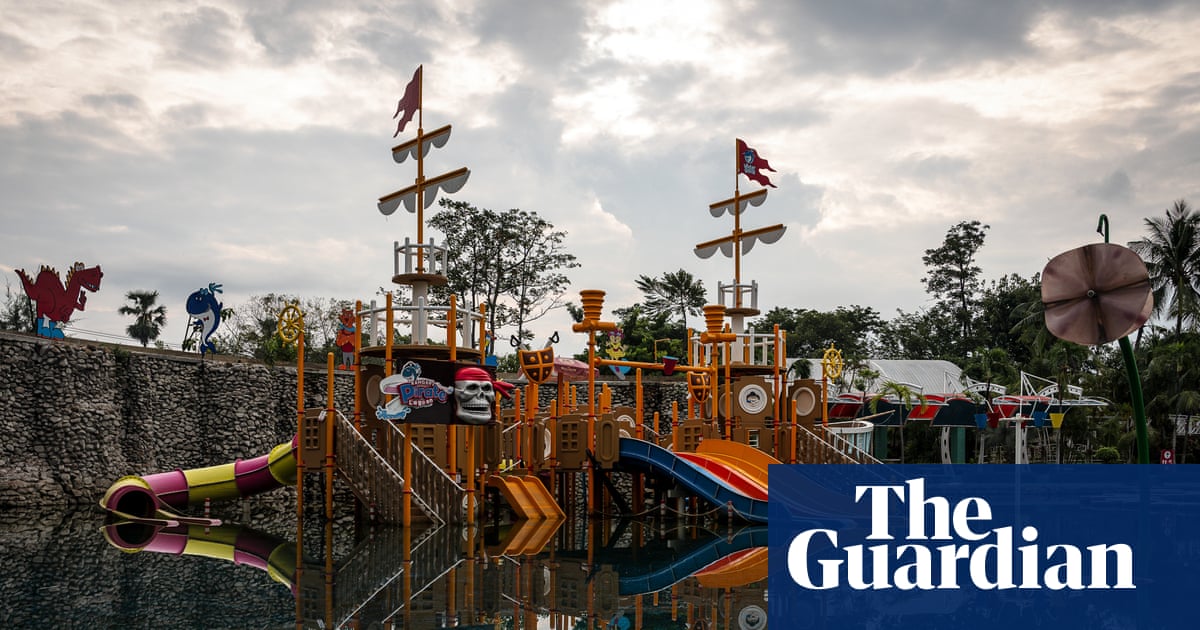
Siam Amazing Park, widely recognized as the longest-operating amusement facility in Southeast Asia, stands silent and empty following a severe flooding event that forced its closure late last month. The park, which typically attracts up to one million visitors annually for its roller coasters and wave pools, is now inaccessible in many areas due to water damage. Rising floodwaters damaged motors and electrical systems essential for operating rides, leaving the grounds eerily quiet except for the sound of wind moving through trees.
Managing director Wuthichai Luangamornlert noted that initial concerns were low when heavy rains began at the end of September, as the area surrounding Bangkok is accustomed to seasonal precipitation. The city is built on floodplains and utilizes a network of canals and pumps to manage water levels. However, the situation escalated rapidly when rainfall persisted for days without pause, causing sewer systems to overflow and transforming large portions of the park into a stagnant lake with water reaching knee height.
The physical toll on the facility is evident in the silt lines marking buildings and the murky condition of water attractions. Dry slides now empty into algae-filled pools where small fish have taken residence, replacing the usual chlorinated environment. Food stalls remain closed with price boards still displayed, while deck chairs sit abandoned near the wave pool area. The contrast between the park’s usual vibrant atmosphere and its current desolate state highlights the severity of the disruption.
Reopening the facility is expected to take more than six months, a timeline driven by the complexity of repairing specialized equipment. Several roller coasters are manufactured abroad and require specific parts and labor from Europe or Japan, which can take considerable time to source and install. While some attractions, such as the double-decker carousel at the entrance, were built locally and may be easier to restore, the overall repair process is hindered by supply chain delays and technical challenges.
The financial implications for the park’s owners are significant. The family business, founded in 1980 by Chaiwat Luangamornlert, has faced economic pressures since the pandemic, during which it avoided layoffs but saw reduced revenue. Current estimates suggest that repair costs combined with lost income could reach millions of US dollars. To manage this burden, the owners have requested a debt holiday from banking partners and are seeking assistance from government authorities.
Amid these financial strains, the family is also evaluating offers to purchase the park. Wuthichai Luangamornlert indicated that interested parties continue to make appointments, though no final decision has been reached regarding a potential sale. This uncertainty adds another layer of complexity to an already difficult recovery period, as the third generation of the family business weighs its options for the future.
The flooding at Siam Amazing Park reflects broader challenges facing Bangkok, where the government declared a disaster across all fifty districts. Residents were forced to use boats or inflatable devices to navigate flooded streets and access homes. While water levels have receded in some areas, many canals remain full, and the rainy season is not yet over. This context underscores the vulnerability of infrastructure in regions prone to extreme weather events.
Climate scientists caution that while global heating contributes to more frequent and intense weather patterns, it is premature to directly attribute Bangkok’s recent rains solely to climate change. The situation is further complicated by an unusually strong El Niño cycle, which tends to produce violent weather extremes. As the park remains closed, the incident serves as a case study in how natural disasters can disrupt local economies and challenge long-standing businesses.
For now, Siam Amazing Park remains frozen in time, its iconic lion-head log flume silent and its rides dormant. The rapid shift from normal operations to prolonged closure has forced management to prioritize staff welfare and financial survival over immediate reopening efforts. As repairs slowly begin, the park’s fate hangs in the balance, dependent on both logistical resolutions and broader economic support.
The story of Siam Amazing Park illustrates the intersection of natural disaster, economic resilience, and climate uncertainty. While the physical damage is substantial, the longer-term impact will depend on how effectively the owners can navigate financial hurdles and secure necessary resources. Until then, the park remains a quiet testament to the disruptions caused by extreme weather in one of Asia’s most dynamic cities.
Sources behind this briefing
Go to the original reporting
- The Guardian US↗An eerie trip inside Thailand’s oldest amusement park, deserted after flooding