The short version
- CrowdJustice halted fundraising for Palestine Action after US payment processor Stripe cited sanctions compliance issues.
- The group is appealing a UK ban that has led to thousands of arrests, with legal costs already exceeding hundreds of thousands of pounds.
- Critics argue the financial barriers create an uneven playing field between state resources and individual litigants.
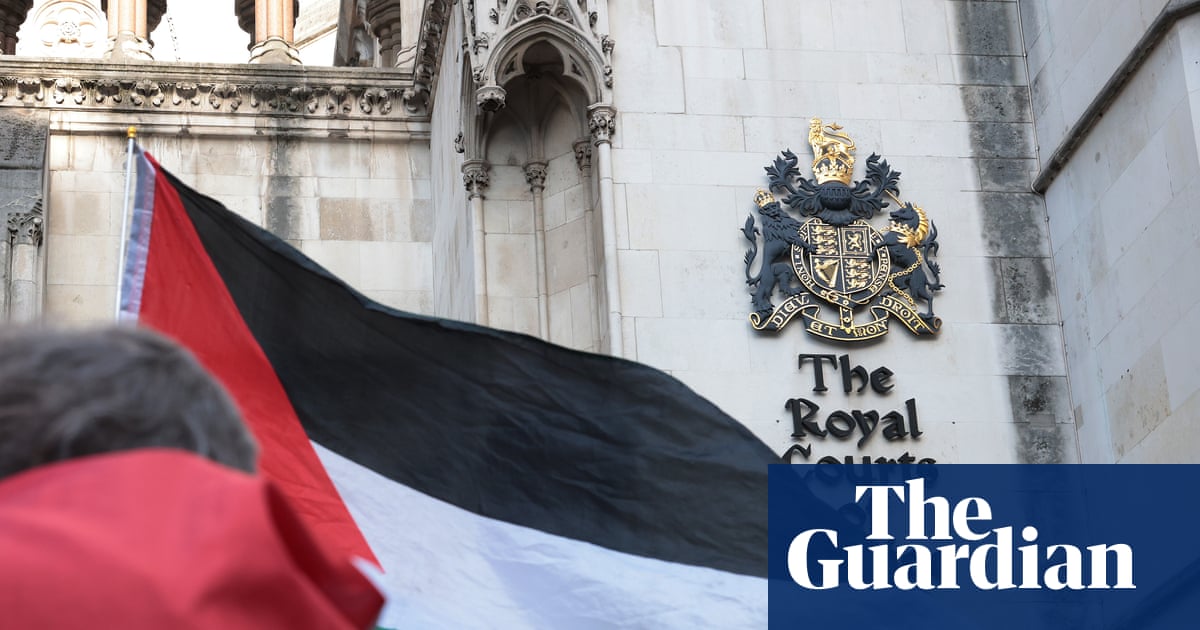
A crowdfunding campaign intended to finance legal fees for a UK Supreme Court challenge has been terminated due to restrictions imposed by United States sanctions. The blockage occurred when CrowdJustice, a British platform dedicated to funding legal cases, declined to host the fundraiser after its payment processor, Stripe, determined it could not support transactions linked to Palestine Action. This development prevents the direct action group from raising private funds for its appeal against a government ban that classifies the organization as a terrorist entity.
Stripe, a US-based financial technology company, informed CrowdJustice that it is unable to facilitate accounts or transactions benefiting Palestine Action, including those designated for legal proceedings. The decision stems from sanctions imposed by the Trump administration last month, utilizing authorities established under President George W. Bush in the wake of the September 11 attacks. These measures designate the group as a global terrorist organization, thereby restricting financial interactions with US entities and their partners.
Huda Ammori, a co-founder of Palestine Action, stated that reliance on US services by UK platforms has effectively barred the group from securing necessary legal funding. She highlighted a disparity in resources, noting that while citizens face obstacles in financing their defense, the state continues to expend significant public funds to uphold the ban. According to reports, the Home Office has already spent £700,000 defending the proscription in lower courts, with total expenditures expected to rise as the case progresses through the appellate system.
The legal battle began after then-Home Secretary Yvette Cooper announced intentions to ban Palestine Action in June of the previous year. The move placed the group alongside designated terrorist organizations such as Islamic State and Boko Haram. At that time, a similar crowdfunding effort successfully raised over £300,000 within days to support a High Court challenge. However, the current Supreme Court appeal faces different financial hurdles due to the updated sanctions landscape.
Ammori argued that the combination of legislative bans and financial restrictions creates an environment where citizens acting on conscience face disproportionate penalties compared to state actors. She emphasized the broader implications for free speech rights in Britain, suggesting that a successful appeal could quash prosecutions against thousands of individuals arrested for holding signs allegedly supporting the proscribed organization. Conversely, failure at the Supreme Court level could result in severe legal consequences for many protesters.
Craig Murray, a former British diplomat separately challenging the ban’s legality in Scotland, experienced a similar disruption when his own fundraising page was removed following the US designation. He criticized the situation as adding injustice to existing legislative constraints, arguing that crippling the ability to fight proscription through courts undermines democratic principles. His comments reflect broader concerns about how international sanctions impact domestic legal processes and access to justice.
The case is scheduled to be heard by the UK’s highest court in November, marking a critical juncture in the ongoing dispute over protest rights and national security definitions. The outcome will likely influence future prosecutions related to demonstrations involving symbols or slogans associated with banned groups. Legal experts note that the intersection of US foreign policy tools and UK domestic law presents complex challenges for litigants seeking redress.
Stripe declined to comment on individual user cases, while CrowdJustice did not provide additional details beyond the initial notification regarding payment processing limitations. The incident underscores the growing influence of American financial regulations on non-US entities and their operations. It also raises questions about the extent to which third-party service providers can act as gatekeepers for legal advocacy in sensitive political contexts.
As the Supreme Court date approaches, attention remains focused on whether the judiciary will address the substantive arguments regarding the proportionality of the ban. The financial impediments faced by Palestine Action add another layer of complexity to an already contentious legal proceeding. Observers are watching closely to see how these external pressures might shape the narrative surrounding civil liberties and counter-terrorism measures in the United Kingdom.
Sources behind this briefing
Go to the original reporting
- The Guardian World↗Palestine Action crowdfunder for UK supreme court challenge blocked due to US sanctions