The short version
- The US State Department has ordered diplomats and their families to leave Saudi Arabia due to safety concerns stemming from frequent Houthi attacks on civilian infrastructure.
- Recent strikes killed at least three people in Saudi Arabia, including one at an airport and two near an oil facility, prompting flight diversions and material damage.
- Officials denied reports of similar withdrawals in other Gulf nations, though media outlets suggest broader US military scaling back and potential plans for renewed conflict with Iran.
The United States State Department has issued a directive requiring certain diplomats and the families of government employees to depart Saudi Arabia. This decision follows a period of intensified violence in the region, specifically citing attacks on civilian airports and other critical infrastructure by Houthi forces supported by Iran. The move marks a significant contraction of US diplomatic presence in Riyadh at a time when regional stability remains fragile.
State Department spokesperson Tommy Pigott emphasized that the safety of personnel is the primary concern driving this action. The order applies to the main embassy in Riyadh as well as satellite consulates within the kingdom. The embassy had previously suffered substantial damage during the earlier phase of US military operations against Iran and had been functioning with minimal staff for several months, although some diplomatic personnel had recently returned to their posts.
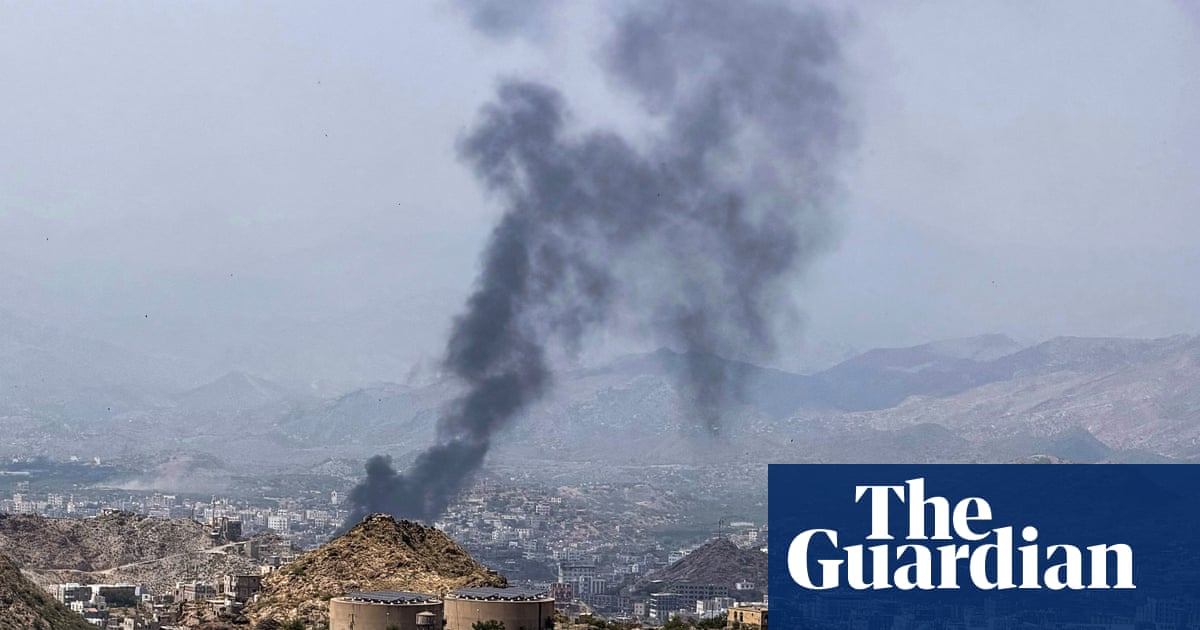
The urgency of the withdrawal coincides with a deadly series of strikes in Saudi Arabia. On Wednesday evening, attacks targeted King Fahad International Airport in Dammam, located on the Gulf coast near Bahrain and Qatar. The Saudi Civil Aviation Authority confirmed that one resident was killed and eight others were injured in the incident. The facility sustained material damage, leading to the diversion of flights away from the airport, according to global flight-tracking data.
In a separate incident later that same day, falling debris from the interception of a drone targeting an oil facility in southeastern Saudi Arabia resulted in two additional deaths and two injuries. The Saudi energy ministry reported these casualties, highlighting the vulnerability of key economic assets. While neither attack was immediately claimed by any group, airports and oil infrastructure have been consistent targets for Houthi missile and projectile campaigns in recent weeks.
Conflicting reports have emerged regarding the scope of US withdrawals in the broader Middle East. Some media outlets, including NBC and AFP, indicated that families of embassy personnel were also being pulled from the United Arab Emirates, Jordan, Qatar, and Bahrain. However, Pigott explicitly described these reports as inaccurate, clarifying that the official State Department order was limited strictly to Saudi Arabia. This distinction suggests a targeted response to specific threats in Riyadh rather than a blanket regional evacuation.
The diplomatic pullback occurs against a backdrop of speculation about renewed military conflict with Iran. Reports indicate that President Trump has been presented with plans to restart strikes on Iranian targets following the midterm elections. The New York Times noted that US and Israeli officials have developed strategies for a short but intensive operation, following recent meetings between Defense Secretary Peter Hegseth and Prime Minister Benjamin Netanyahu in Israel.
Despite these reported planning efforts, President Trump has publicly stated he does not intend to resume war before November 3. He previously mentioned targeting Pickaxe Mountain, a site associated with Iran’s nuclear program, but no immediate action has been taken. Meanwhile, NBC reported that the US military has been quietly reducing its presence at various Middle Eastern bases in recent days. A Central Command spokesperson attributed such movements to routine adjustments aimed at optimizing mission readiness rather than strategic retreat.
The situation underscores the complex interplay between diplomatic security and geopolitical maneuvering. As Houthi attacks continue to disrupt civilian life and economic operations in Saudi Arabia, the US is recalibrating its on-the-ground footprint. The denial of broader evacuations contrasts with media accounts of military scaling back, leaving observers uncertain about the true extent of American disengagement from the region ahead of potential further escalation.
Sources behind this briefing
Go to the original reporting
- The Guardian World↗Some US diplomats told to leave Saudi Arabia amid Houthi attacks