The short version
- Lawmakers from major parties and the crossbench are spending personal funds to secure homes and offices after security briefings highlighted widespread concerns.
- Federal police recorded over one thousand reports of threatening behavior against officials last year, a significant increase from two years prior.
- While some propose new safety committees or increased funding, broad government reviews remain unlikely as politicians debate the balance between security and public engagement.
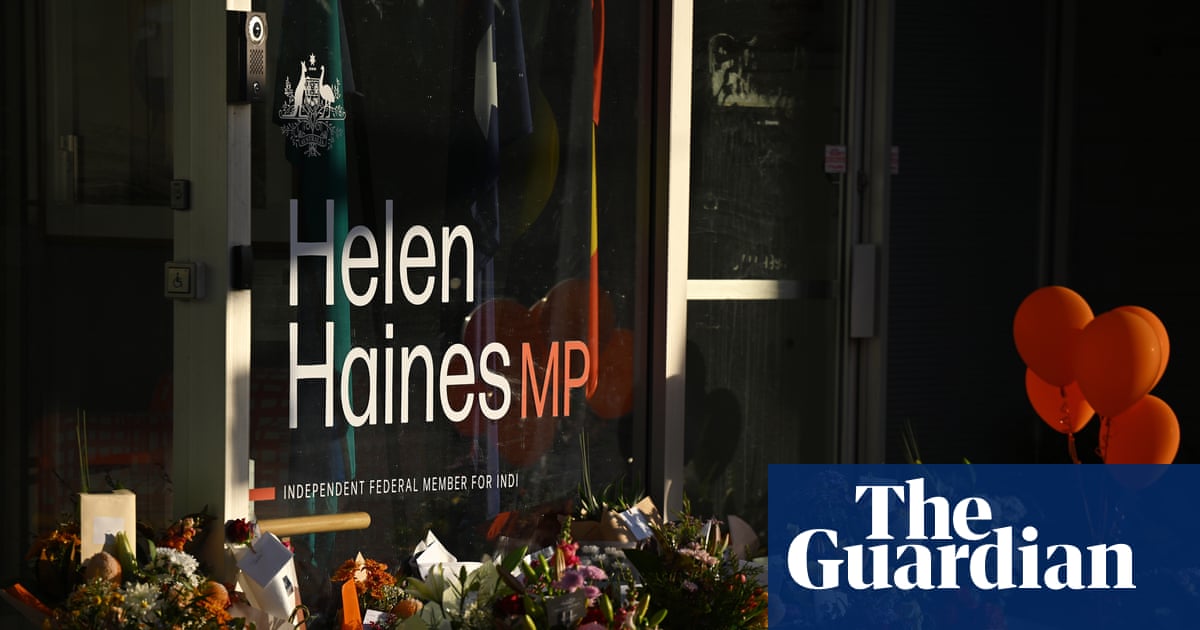
Australian federal politicians are increasingly turning to personal funds to enhance the security of their residences and local offices, a shift driven by growing anxiety over physical threats. This trend emerged following recent safety briefings conducted by the Australian Federal Police and the Australian Security Intelligence Organisation, which revealed that concerns about home and office safety have become a common thread among lawmakers from Labor, the Coalition, and independent groups. The urgency of these measures intensified after an alleged attack on Member of Parliament Helen Haines, who suffered severe injuries including the loss of both legs.
During Wednesday’s briefings, representatives from across the political spectrum expressed alarm regarding the widening nature of threats they face. Interviews with ten members of parliament indicated that while federal ministers receive robust security assistance, many backbenchers feel significantly under-resourced. These lawmakers noted that constituents often view all politicians as a single entity representing the government, regardless of their specific role or party affiliation. Consequently, even those who are not part of the cabinet perceive themselves as targets for individuals angry at the political system.
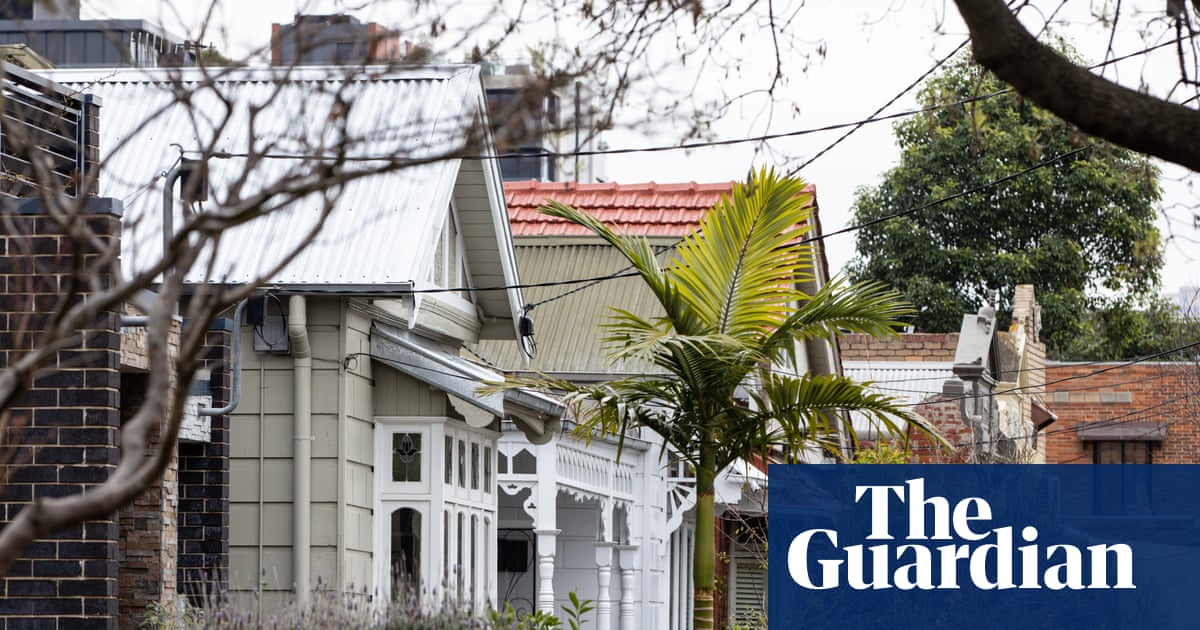
The financial burden of securing personal safety has fallen heavily on individual legislators. Multiple MPs reported spending thousands of dollars out of pocket to install safety features such as cameras and floodlights. These upgrades were implemented based on advice from federal police, yet they were not included in official risk assessments conducted by security agencies. Some independent lawmakers questioned whether the public should bear the cost of such enhancements, while others simply sought practical solutions to alleviate fears for their families’ well-being.
Data from federal authorities underscores the escalating tension surrounding political figures. Two years ago, the Australian Federal Police recorded 951 incidents of harassing or threatening behavior directed at office holders. By last year, that figure had risen to 1,067. Recent events have further highlighted this volatility, including an incident in Perth where a man was charged with making verbal threats while carrying nunchucks outside an electoral office. Although no injuries occurred in that specific case, the refusal of bail signals the seriousness with which authorities are treating such disruptions.
Despite these rising numbers, responses from government officials have been measured. Prime Minister Anthony Albanese stated that his administration has increased funding for parliamentary security in recent years and emphasized a commitment to maximizing safety while maintaining democratic engagement. A spokesperson for Home Affairs Minister Tony Burke added that threat reviews for high-ranking officials are conducted continuously. However, many backbenchers expressed frustration with the finance department, citing delays and insufficient support for securing their local electorate offices.
The disparity in support levels has created a sense of vulnerability among non-ministerial politicians. While some praised the federal police for their responsiveness to inquiries about public events, others reported receiving slower assistance from local law enforcement when dealing with aggressive visitors. This inconsistency has left many feeling that existing protocols are inadequate for addressing the nuanced risks they face daily. The desire for additional security is tempered by concerns about how visible protection measures might affect their ability to connect with constituents.
Looking ahead, the parliament is considering various responses as lawmakers return to Canberra. Proposals include establishing a new committee dedicated to MP safety, increasing resources for police, and offering motions of condolence for Haines. However, calls from the crossbench for reforms to parliamentary debate tones and question time procedures are unlikely to gain traction among major parties. Security officials have committed to assessing specific concerns raised by individual MPs, but a comprehensive government review of safety standards is not currently expected.
Independent MP Monique Ryan, who is close with Haines, noted that discussions about safety arrangements were rare until recently. She observed that colleagues are now recognizing shared experiences and vulnerabilities. While she supports broader reviews and additional resources for securing offices, the immediate focus remains on practical, individualized solutions. The situation highlights a growing tension between the need for personal security and the traditional expectations of political accessibility in Australian democracy.
As the debate continues, the lack of a unified strategy leaves many politicians navigating their safety concerns independently. The reliance on self-funded measures suggests that current institutional support may not fully address the perceived risks. With no immediate legislative overhaul on the horizon, lawmakers will likely continue to balance their public duties with private security enhancements, reflecting a broader unease within the political class about the changing nature of civic engagement and threat landscapes.
Sources behind this briefing
Go to the original reporting
- The Guardian World↗Labor, Coalition and crossbench MPs afraid at home and work after alleged attack on Helen Haines