The short version
- The UN Food and Agriculture Organization reports that less than twenty percent of pledged forest restoration areas are currently undergoing rehabilitation.
- Since 1990, over 489 million hectares of forests have been cleared, with an additional vast area suffering from degradation due to fires, pests, and resource extraction.
- Restoring one billion hectares could generate $1.8 trillion in annual benefits, supporting agrifood systems and rural development while sequestering significant carbon.
A recent assessment by the United Nations Food and Agriculture Organization (FAO) indicates that the global community is failing to meet its own ambitious targets for forest rehabilitation. The report, titled 'State of the World’s Forests,' describes a shrinking opportunity to reverse ecological damage before it becomes irreversible. While international bodies have made significant promises regarding land restoration, actual implementation has lagged far behind these commitments, creating a structural imbalance that threatens both environmental stability and economic viability.
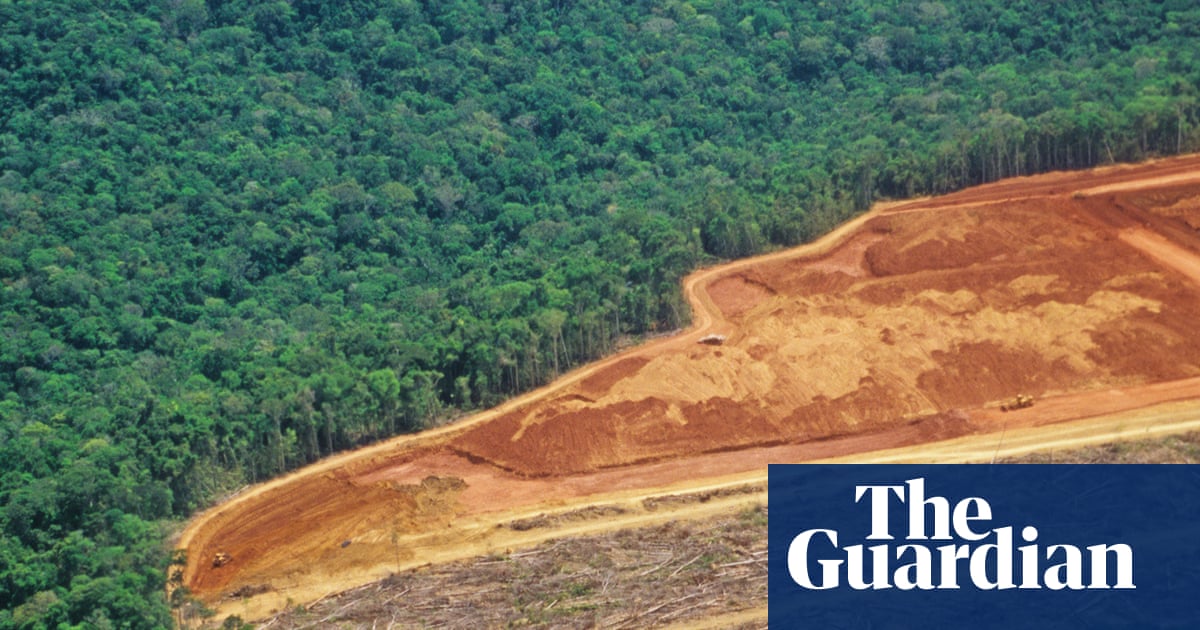
The scale of forest loss is substantial. Since 1990, more than 489 million hectares of forest cover have been removed from the landscape. This figure does not account for the even larger areas that remain standing but are degraded in quality. These degraded zones are less effective at storing carbon, supporting biodiversity, and regulating local weather patterns. The FAO emphasizes that forests currently cover approximately 4.14 billion hectares, representing about one-third of the Earth's land surface, yet their condition is deteriorating under multiple pressures.
Global initiatives over the past two decades have pledged to restore more than one billion hectares of land. However, the report reveals that barely one-fifth of this promised area is actually being restored. This discrepancy highlights a significant gap between political rhetoric and on-the-ground action. The progress made so far is described as uneven and insufficient to address the growing global demand for sustainable land management and ecological services.
Forests play a critical role in maintaining global food security and climate resilience. They store an estimated 714 gigatonnes of carbon and provide habitat for up to eighty percent of terrestrial biodiversity species. Additionally, nearly one-third of the world's population relies on forests for their livelihoods, depending on them for resources, income, and sustenance. The degradation of these ecosystems directly impacts human well-being, particularly in rural communities where alternative economic opportunities may be limited.
Threats to forest health are intensifying due to a combination of natural and human-induced factors. Each year, approximately 127 million hectares of forest are affected by fires. These events are compounded by damage from insects, diseases, and severe weather patterns linked to climate change. Furthermore, forests face ongoing pressure from agricultural expansion, pollution, and the extraction of fossil fuels and other natural resources. These cumulative stresses make forests increasingly vulnerable to collapse.
The economic implications of inaction are significant. The FAO estimates that restoring one billion hectares of degraded land could generate $1.8 trillion in benefits annually. These benefits would extend beyond environmental metrics to include improvements in food security, rural development, and the long-term viability of forest-based economies. Qu Dongyu, the director general of the FAO, characterized forest restoration as a strategic investment rather than merely an environmental priority.
Dongyu warned that delayed or poorly designed restoration efforts could increase long-term costs and exacerbate social inequalities. There is a risk that landscapes could become locked into unsustainable trajectories if immediate and effective action is not taken. The report calls for governments to elevate forest restoration to a national priority, ensuring that policies are aligned with the urgent need to scale up effective rehabilitation efforts.
The widening gap between the demand for sustainable land use and the current supply of healthy forests underscores a critical challenge for policymakers. As global demand for land-based products and services continues to grow, the pressure on remaining forest ecosystems will likely intensify. Addressing this imbalance requires coordinated action at national, regional, and global levels to ensure that restoration efforts are both effective and equitable.
Moving forward, the focus must shift from making pledges to implementing tangible solutions. The report suggests that remedial actions on forests and other degraded ecosystems would yield substantial benefits for people, food systems, and the broader economy. However, achieving these outcomes requires overcoming significant logistical, financial, and political hurdles. The window for effective intervention is narrowing, necessitating urgent and decisive measures from governments worldwide.
The findings of this report serve as a stark reminder of the consequences of inaction. While some progress has been made in protecting and planting trees around the globe, these efforts are not keeping pace with the rate of deforestation and degradation. Without a significant increase in restoration activities, the world risks losing the ecological services that forests provide, with profound implications for climate stability, biodiversity conservation, and human livelihoods.
Sources behind this briefing
Go to the original reporting
- The Guardian US↗UN warns of ‘narrowing window’ to restore world’s forests