The short version
- The base model Mac mini now starts at $899, a substantial increase from the previous generation due to rising global memory costs.
- Performance benchmarks indicate significant improvements in single-core and multi-core processing speeds compared to the M4 predecessor.
- Software updates include a revamped Siri assistant with screen-reading capabilities and enhanced Apple Intelligence features for file management.
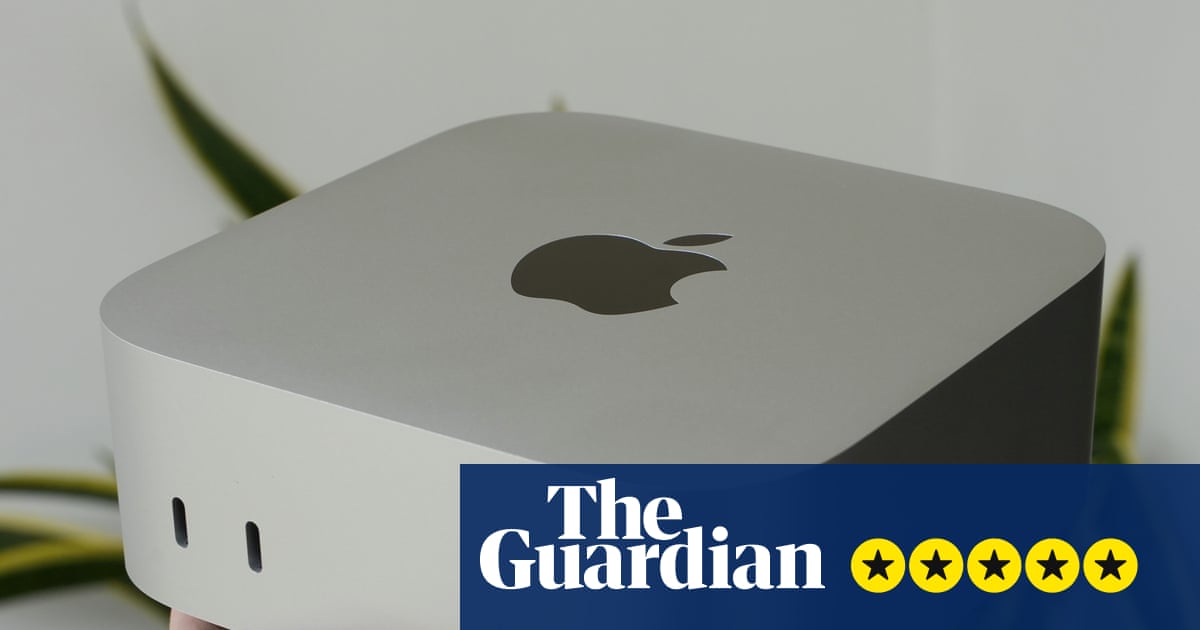
Apple has released an updated version of its Mac mini desktop computer, introducing the company's latest M6 silicon while simultaneously raising the entry-level price point. The base model now costs $899 in the United States, up from the $599 starting price of the previous M4-equipped iteration. This pricing shift is attributed to what industry observers are calling 'RAMageddon,' a period of elevated costs for memory components affecting electronics manufacturers broadly. Despite the higher cost, the device retains its compact physical footprint, measuring just 12.7 centimeters square and 5 centimeters thick, allowing it to remain one of the smallest desktop computers available.
The hardware update focuses on processing power rather than design changes. The new M6 chip delivers approximately 25 percent faster performance in single-core tasks and 50 percent greater speed in multi-core operations compared to the prior generation. Graphics performance has seen an even more pronounced jump, increasing by roughly 75 percent. For users upgrading from older machines nearing the end of their operational life, these gains represent a substantial leap in capability. The system remains energy efficient and operates silently under normal conditions, only producing audible fan noise when pushed to maximum capacity.
Connectivity options remain robust for the device's size. The rear panel includes three Thunderbolt 4 ports, which also function as USB4 interfaces, alongside an HDMI 2.1 port and a 2.5 Gigabit Ethernet socket. A headphone jack is present, but traditional USB-A ports are absent, requiring users to rely on adapters for legacy peripherals such as older flash drives or printers. The base configuration includes 16 gigabytes of RAM and 256 gigabytes of storage, with no option for user-upgradeable memory or storage after purchase.
Software enhancements accompany the hardware refresh. The device ships with macOS 27 Golden Gate, which refines the Liquid Glass design language introduced in previous updates. A major focus is the overhaul of Apple's virtual assistant, now branded as Siri AI. This updated version demonstrates improved ability to understand complex tasks and navigate both local files and web information. It can read content displayed on the screen, enabling users to request actions like tracking packages using codes found in emails or identifying objects within images via a specific keyboard shortcut.
Integration between the assistant and system search functions has been tightened, though this creates occasional friction. When users mistype queries in Spotlight search, the system may default to web searches rather than launching local applications or files, a behavior some reviewers find disruptive. Beyond the assistant, Apple Intelligence tools have been expanded to include writing assistance, proofreading, and summarization features accessible across most applications. One notably practical addition is the ability to suggest file and folder names, helping users maintain consistent naming conventions without manual effort.
Environmental considerations remain part of the product narrative. Apple states that the new Mac mini is constructed with 50 percent recycled materials. The company provides detailed reports on the environmental impact of the device and continues to offer trade-in programs as well as free recycling services for both Apple and non-Apple electronics. These initiatives align with broader corporate sustainability goals, though the immediate consumer impact is primarily reflected in the product's specifications and pricing structure.
Market positioning places the Mac mini between budget laptops and high-end desktops. While it remains the cheapest computer sold by Apple featuring an M-series chip, the price increase narrows its value proposition compared to earlier models. For context, the entry-level MacBook Air with an M5 chip starts at $1,299, while the iMac begins at $1,499. The Mac Studio, aimed at professional users requiring greater graphical power, starts at $2,499. An alternative configuration of the Mac mini featuring the M5 Pro chip is available for users needing enhanced multi-core or graphics performance, though this option carries a significant premium.
The decision to raise prices reflects broader economic pressures in the semiconductor supply chain rather than a change in Apple's product strategy. The device continues to serve as a versatile general-purpose computer capable of handling demanding tasks within a minimal physical space. For existing owners of M2 or M4 models, the performance gains may not justify an immediate upgrade, particularly given the non-upgradeable nature of the internal components. However, for new buyers seeking a powerful, compact desktop solution, the M6 Mac mini offers substantial computational power, albeit at a higher entry cost than in recent years.
Future updates will likely depend on how memory costs stabilize and whether Apple introduces further refinements to its AI tools. The current iteration sets a new baseline for performance in the compact desktop category, balancing speed with efficiency. As users adapt to the new software features, particularly the screen-aware capabilities of Siri AI, the practical utility of these enhancements will become clearer. Until then, the Mac mini stands as a testament to Apple's ability to pack significant power into small form factors, even as external market forces dictate pricing adjustments.
Sources behind this briefing
Go to the original reporting
- The Guardian US↗Mac mini M6 review: truly mighty but now more pricey